



















The Human Cost of War: A Grim Overview
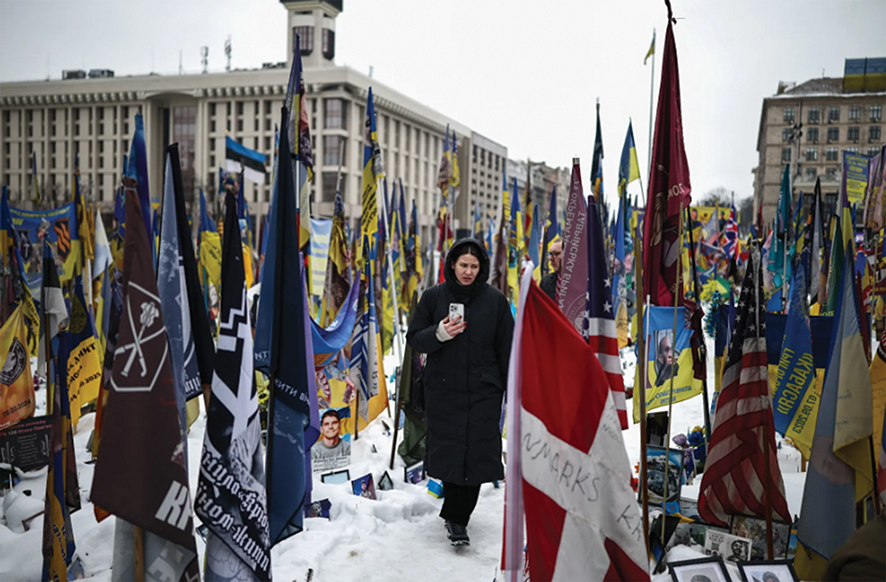
The ongoing conflict in Ukraine has inflicted immeasurable suffering upon its population, resulting in an alarming humanitarian crisis. The conflict has caused thousands of civilian casualties, with reputable sources estimating that tens of thousands of individuals have been injured or displaced since the onset of hostilities. This staggering loss underscores the urgent need for ceasefire and diplomatic engagement, as the humanitarian consequences are both catastrophic and pervasive.
Among the most tragic aspects of this conflict is the toll it takes on children. Reports indicate that thousands of young lives have been lost, while countless others face severe disruptions to their education. The physical and psychological scars borne by these children are profound, as many grapple with the trauma of conflict, loss, and instability. Educational opportunities have diminished significantly as schools have been destroyed or repurposed for military uses, leaving an entire generation at risk of being deprived of basic educational rights.
Moreover, the conflict has incurred widespread displacement, with millions of people forced to flee their homes, seeking refuge within Ukraine or in neighboring countries. These displaced individuals often find themselves in precarious situations, lacking access to essential resources such as food, health care, and sanitation services. Humanitarian assistance is paramount in addressing these needs, yet it remains tragically insufficient given the scale of the crisis. International responses must be calibrated to match the growing urgency of the situation, focusing on sustainable solutions that prioritize the well-being of affected populations.
Addressing the human cost of war in Ukraine is imperative—not only for the present but also for the future stability of the region. A concerted commitment to peace and support for humanitarian initiatives is essential in alleviating the suffering of millions who remain caught in this devastating conflict.
The Consequences of Military Actions on Infrastructure and Human Rights
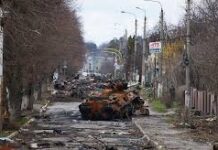
The ongoing military actions in Ukraine have led to a catastrophic impact on essential civilian infrastructure, which is crucial for the daily survival and well-being of the population. Attacks on hospitals, schools, and transport hubs significantly disrupt not only the humanitarian needs, but also the social fabric of communities. Under international humanitarian law, specifically the Geneva Conventions, such attacks are strictly prohibited, as they endanger civilian lives and violate the principle of distinction between combatants and non-combatants.
In recent months, there has been a marked escalation in military assaults targeting civilian infrastructure, resulting in widespread destruction. The destruction of medical facilities poses a severe challenge for healthcare delivery, particularly in a time when civilians are in dire need of medical care, not just from conflict-related injuries, but from ongoing health issues exacerbated by the war. This deliberate targeting showcases a stark disregard for human rights and the basic protections afforded to civilians during armed conflict.
This deterioration in safety and security has led to a humanitarian crisis of immense proportions. Millions remain displaced, facing acute shortages of food, clean water, and medical supplies. Reports of human rights abuses are increasingly common, ranging from unlawful detentions to extrajudicial killings. The systematic nature of these violations necessitates accountability for those responsible, as failure to address these issues not only perpetuates a cycle of violence but also undermines efforts towards peace and reconciliation.
The plight of the Ukrainian civilians highlights the urgent need for a ceasefire and diplomatic resolution. The protection of infrastructure essential to daily life, along with the safeguarding of human rights, must be prioritized as a critical step towards restoring stability and promoting peace in the region.
The Role of International Efforts and Humanitarian Aid
The ongoing conflict in Ukraine presents significant challenges to the humanitarian landscape, necessitating a robust international response. Numerous organizations, including the United Nations (UN) and various non-governmental organizations (NGOs), have mobilized efforts to provide essential humanitarian aid and restore critical services to affected populations. Following the escalation of violence, these entities have prioritized addressing immediate needs such as food, water, shelter, and medical supplies, recognizing that sustained access to these resources is vital for the survival and dignity of individuals in conflict zones.
International efforts have resulted in the establishment of safety corridors to facilitate the delivery of humanitarian assistance. The UN’s humanitarian response plan for Ukraine aims to reach millions with crucial support, underscoring the need for ongoing funding to sustain these initiatives. Increased contributions from donor countries and private organizations are imperative to ensure adequate resources for addressing the severe shortages faced by individuals and families displaced by the conflict.
Collaboration with local partners is also essential in the delivery of effective humanitarian aid. Local organizations possess invaluable insights into the needs and vulnerabilities of their communities, enabling tailored responses that can significantly enhance the impact of international assistance. As these partnerships are strengthened, the focus remains on facilitating sustainable solutions, such as restoring infrastructure for clean water access and enabling medical facilities to function effectively.
Furthermore, the role of international coalitions cannot be overstated. Collective efforts help to amplify the voice of humanitarian needs on the global stage, fostering a coordinated approach to resource allocation and support. The urgency for action underscores the responsibility of the international community to step up their commitment to alleviating human suffering in Ukraine, ensuring that humanitarian aid is not only a temporary response but part of a long-term strategy for recovery and peace.
The Path Forward: Diplomacy and Peace Negotiations
The ongoing conflict in Ukraine underscores the urgent necessity for robust diplomatic engagement aimed at establishing a ceasefire and fostering long-term peace. Achieving this goal requires a multifaceted approach that addresses the interests of all parties involved while prioritizing stability and security in the region. Key to this process is recognition of the sovereignty of Ukraine, as well as adherence to international law, which serves as a foundational principle for any discussions.
Potential avenues for negotiation must be explored, including direct talks between the contested parties, facilitated by neutral entities or external states willing to mediate. The involvement of regional organizations, such as the European Union or the Organization for Security and Co-operation in Europe (OSCE), could prove invaluable in creating frameworks for dialogue. These bodies can provide expertise and resources to foster a conducive environment for negotiations, ensuring that all voices are heard, specifically those of the Ukrainian populace.
Moreover, member states play a crucial role in facilitating these diplomatic efforts. They can contribute by offering support in the form of humanitarian aid and peacekeeping missions while simultaneously exerting pressure on conflicting parties to encourage compliance with diplomatic processes. It is vital that international stakeholders demonstrate unity and consistency in their messaging, promoting the importance of dialogue over military escalation.
Ultimately, any resolution must uphold the essential principles of mutual respect and understanding. A comprehensive peace agreement should not only address the immediate cessation of hostilities but also lay the groundwork for a sustainable political solution that acknowledges the complexities of the conflict. Ensuring the citizens of Ukraine have a voice in shaping their future will be critical in cultivating an atmosphere of trust and long-lasting peace.