




















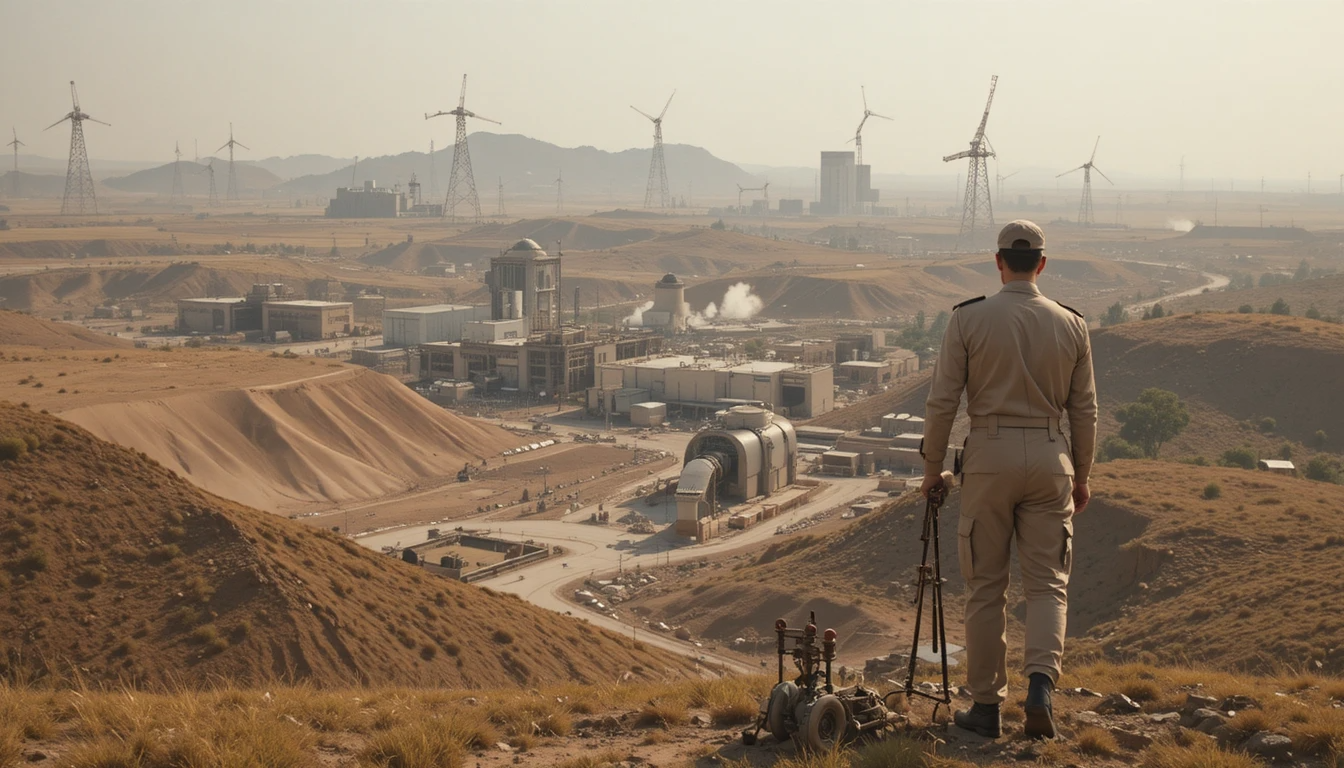
The Impact of War on Nuclear Facility Safety
In contemporary conflicts, particularly in Europe and the Middle East, the safety of nuclear facilities faces unprecedented challenges. Ongoing wars have introduced a complex array of risks that threaten the operational integrity of these critical sites, where safety is paramount. Military activities occurring near or around nuclear plants not only increase the potential for physical damage but also create an environment rife with uncertainty and heightened vulnerability.
Recent conflicts have brought to light several alarming incidents that underscore these risks. For example, situations where military operations have taken place in proximity to nuclear reactors have raised serious concerns about their structural integrity. The presence of active combat zones can lead to deliberate or collateral damage, potentially compromising safety systems and protocols essential for preventing radiological releases. Such incidents necessitate a thorough evaluation of existing safeguards and emergency response measures to ensure that they remain viable under wartime conditions.
Moreover, the potential for accidents due to technical malfunctions increases significantly in war-torn regions. Supply chain disruptions, coupled with the stress of military threats, can lead to insufficient maintenance or operational oversight. This confluence of factors not only endangers the nuclear facilities themselves but also poses a risk to surrounding populations. The prospect of a catastrophic event resulting from a conflict-related incident remains a grave concern for both national and international authorities.
Thus, the intersection of military conflict and nuclear safety requires urgent attention. Ensuring the safety of these pivotal facilities entails comprehensive assessments and fortified strategies tailored to the unique challenges posed by warfare. Furthermore, the international community must recognize the critical importance of safeguarding nuclear sites during periods of conflict to prevent catastrophic consequences that could transcend national borders.
Crisis at Ukraine’s Nuclear Plants
The ongoing conflict in Ukraine has significantly impacted the operations of its nuclear power plants, particularly the Zaporizhzhya Nuclear Power Plant (ZNPP), which has become a focal point of international concern. Recently, the ZNPP has experienced several power outages. These outages, coupled with intermittently compromised external power supplies, have raised alarms regarding the safety of nuclear operations in the region. The reliance on backup systems to maintain cooling pools and manage spent nuclear fuel poses a considerable risk, especially under unstable conditions.
Operational challenges are exacerbated by the ongoing military actions in the vicinity of the facility. As armed conflicts disrupt regular maintenance schedules and personnel access to the plant, the risk of accidents increases. The International Atomic Energy Agency (IAEA) has proactively engaged in addressing these concerns. Through its efforts, the IAEA has sought to mediate and ensure that essential safety standards are upheld at the plants, advocating for ceasefire agreements to facilitate repairs and necessary inspections. Their presence underscores the significant risks associated with nuclear operations in conflict zones.
The ZNPP crisis reflects a broader challenge of nuclear safety during times of war. The intertwining of military strategy and civilian nuclear energy raises vital questions about the integrity of safety protocols. With the potential for nuclear incidents devastating not only local communities but also neighboring regions, addressing these challenges promptly is paramount. The ongoing dialogue facilitated by the IAEA is critical in reinforcing safety measures and assuring that nuclear operations can continue with minimal risk amidst the turmoil.
Middle East Nuclear Safety Incidents and IAEA Response
The geopolitical landscape of the Middle East has been fraught with tensions and conflicts, which have raised significant concerns regarding nuclear safety in the region. One notable incident was the drone strike on the Barakah Nuclear Power Plant in the United Arab Emirates, which occurred amidst escalating hostilities. Such incidents underline the vulnerabilities inherent in operating nuclear facilities in conflict zones, where the potential for sabotage or accidental damage is markedly heightened.
The International Atomic Energy Agency (IAEA) plays a critical role in addressing these challenges. Following the strike on the Barakah facility, the IAEA promptly engaged with leaders from Gulf states to assess the situation and provide guidance on nuclear safety protocols. The agency’s proactive stance is essential in mitigating risks associated with nuclear operations in politically unstable environments. By facilitating dialogue and sharing best practices, the IAEA strives to enhance the safety and security of nuclear facilities operating under such precarious circumstances.
Moreover, the IAEA has emphasized the importance of robust regulatory frameworks that govern nuclear safety in the region. This involves not only strict adherence to safety standards but also the cultivation of a culture of safety among staff at nuclear installations. In light of this, the agency has conducted various missions aimed at evaluating the safety measures in place at existing facilities, including Barakah. These assessments are crucial for ensuring that the principles of nuclear safety are upheld, even amidst external threats.
In conclusion, incidents like the drone strike at the Barakah Nuclear Power Plant highlight the challenges faced in maintaining nuclear safety in conflict zones. The IAEA’s responsive measures and ongoing collaborations with regional leaders are pivotal in reinforcing the safety and security of nuclear operations in the Middle East, ensuring that geopolitical tensions do not compromise the integrity of nuclear safety protocols.
Global Nuclear Safety Initiatives and Frameworks
International cooperation plays a pivotal role in maintaining nuclear safety standards, particularly in conflict zones. A multitude of treaties, frameworks, and initiatives have been established to uphold security and safety protocols in the nuclear sector. Central to these efforts is the International Atomic Energy Agency (IAEA), which releases annual reports detailing safety status and operational safeguards across member states. These reports underscore the importance of consistent monitoring and international dialogue to address emergent risks within nuclear facilities.
The IAEA’s technical cooperation programs are instrumental in fostering nuclear safety, especially in countries facing political instability. These initiatives provide essential training and resources for local professionals, allowing them to implement safety measures effectively. This capacity-building is crucial in ensuring that safety standards are not only introduced but maintained, even amidst ongoing conflict. Furthermore, the agency’s guidance ensures that nuclear energy, when harnessed, can contribute positively to national energy needs without compromising safety protocols.
Various global initiatives, such as the Convention on Nuclear Safety and the Joint Convention on the Safety of Spent Fuel Management and on the Safety of Radioactive Waste Management, further reinforce mutual commitments among states to uphold nuclear safety. These treaties mandate regular reviews and transparency, enabling member nations to share best practices and learn from one another, thereby enhancing the overall safety culture surrounding nuclear operations.
Moreover, as nations strive to transition towards sustainable energy sources, the need for reliable nuclear energy practices becomes even more crucial. These international frameworks not only address the technical aspects of nuclear safety but also emphasize the importance of governance and collaboration in mitigating risks associated with nuclear facilities in volatile regions. Consequently, they lay the groundwork for sustainable nuclear energy development while reinforcing safety measures in the face of conflict.