


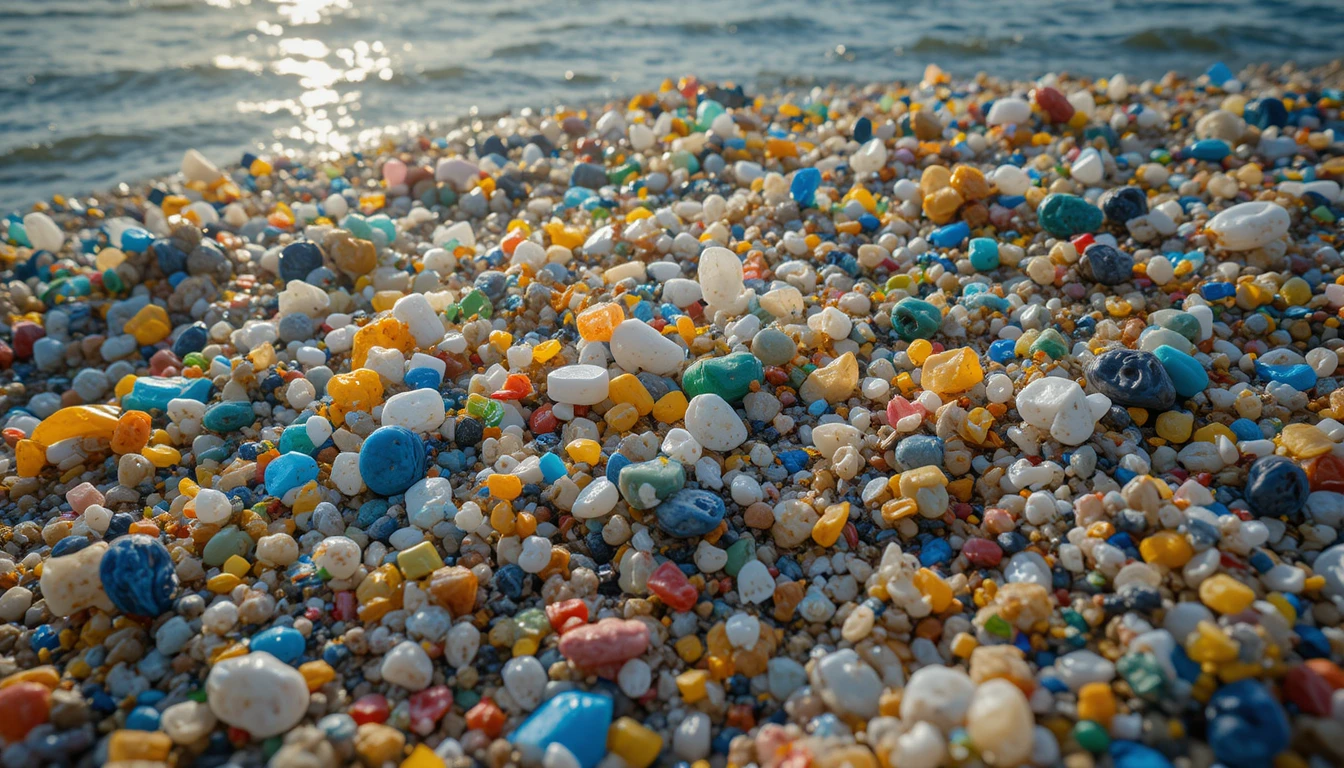
The Launch of the Nutec Plastics Global Marine Monitoring Platform
The International Atomic Energy Agency (IAEA) has initiated a significant step forward in the effort to tackle marine plastic pollution with the launch of the Nutec Plastics Global Marine Monitoring Platform. This platform is designed to foster international collaboration and enhance the sharing of knowledge regarding microplastic contamination in marine ecosystems. Its primary objective is to serve as a centralized hub for data collection, analysis, and dissemination that will assist scientists, policymakers, and stakeholders in understanding the extent of microplastic pollution.
The significance of this platform is highlighted by its role in bringing together a diverse global network of scientific experts. These experts contribute insights and data, culminating in a comprehensive understanding of microplastic levels across various marine environments. The collaborative nature of the platform ensures that researchers from different countries can share methodologies, findings, and best practices, promoting a unified approach to combatting plastic pollution.
Moreover, the IAEA’s Nutec Plastics Global Marine Monitoring Platform provides enhanced accessibility to users through the IAEA nucleus account feature. This user-friendly interface allows stakeholders, including researchers, environmental organizations, and government agencies, to access crucial data and tools needed for effective decision-making. By democratizing information, the platform empowers users to engage actively in the fight against marine plastic pollution, reinforcing the importance of scientific data in shaping public policy and environmental protection efforts.
The launch of the Nutec Plastics Global Marine Monitoring Platform marks a pivotal achievement in the ongoing battle against plastic pollution. By enabling international collaboration and providing accessible data, the platform is poised to be an invaluable asset in enhancing our understanding and management of microplastic contamination in marine ecosystems.
Understanding the Global Challenge of Plastic Pollution
Plastic pollution has reached alarming proportions globally, with millions of tons of plastic waste entering marine ecosystems each year. According to recent estimates, approximately 11 million metric tons of plastic waste find their way into oceans annually, with projections indicating this figure could triple by 2040 if current trends continue. This substantial influx not only contributes to the degradation of marine environments but also leads to the fragmentation of plastics into microscopic particles known as microplastics.
Microplastics, defined as plastic particles less than five millimeters in size, pose significant threats to aquatic ecosystems. They can directly affect marine life through ingestion, leading to adverse health effects, impaired growth, and decreased reproduction rates across various species. Moreover, microplastics can serve as vectors for toxic pollutants, further complicating their impact on marine organisms. When consumed by fish and other marine fauna, these plastics can enter the human food chain, raising serious health concerns for populations relying on seafood for dietary needs.
The pervasive presence of microplastics extends beyond marine environments; they also infiltrate soil and freshwater systems. Studies have demonstrated that microplastics can disrupt soil structure and microbial communities, inhibiting plant growth and potentially affecting food security. The multidimensional nature of plastic pollution necessitates a robust global monitoring system. Such a system would ensure a consistent and comprehensive assessment of plastic waste and its effects across different regions and countries.
Establishing a unified data collection and monitoring approach is vital in the fight against this environmental crisis. Accurate and systematic data on plastic pollution can empower policymakers and scientists to develop effective strategies to mitigate the proliferation of plastic waste and its associated impacts. As the problem of plastic pollution continues to escalate, it is clear that collaborative global efforts are essential for addressing this pressing challenge.
The Importance of Standardized Protocols in Microplastic Monitoring
The monitoring of microplastic pollution in marine environments presents several challenges, primarily due to the lack of standardized protocols for sampling and analysis. As microplastics have become increasingly pervasive, the need for accurate and comparable data has grown significantly. Inconsistencies in how samples are collected, processed, and analyzed across different laboratories can lead to disparities in findings, undermining the effectiveness of environmental assessments and policy-making efforts.
Currently, various methodologies exist, resulting in a fragmented understanding of microplastic concentration, types, and sources. This inconsistency makes it challenging for researchers and policymakers to draw meaningful conclusions and implement effective strategies for pollution mitigation. The IAEA’s Nutec Plastics Global Monitoring Platform addresses this pressing issue by establishing a unified framework for monitoring these pollutants. This initiative aims to standardize protocols that participating laboratories across the globe can adopt, thereby enhancing the reliability of data relating to marine microplastic levels.
In addition to setting standardized protocols, Nutec Plastics also focuses on capacity-building initiatives to strengthen global capabilities in microplastic assessment. This includes comprehensive training programs for laboratory staff in the participating nations, ensuring they are well-equipped with the latest techniques in sample collection and analysis of microplastics. Furthermore, the IAEA provides support for laboratory equipment, which is essential for accurate measurements and assessments of microplastic pollution. Through these interventions, the IAEA aims to create a coordinated effort that will facilitate improved tracking of microplastic pollution globally.
Transforming Data into Effective Mitigation Strategies
The integration of data generated by the Nutec Plastics Global Marine Monitoring Platform is essential for informing policies that aim to combat marine plastic pollution. This platform collects and analyzes vast amounts of data related to plastic waste in marine environments, providing critical insights into the sources, distribution, and impacts of plastics. Policymakers can leverage this information to develop targeted strategies that address specific issues related to plastic pollution.
One notable example of data-driven decision-making can be seen in the establishment of a dedicated microplastics research facility in the Philippines. This initiative illustrates how scientific research can directly influence national policies and enhance local capacity to address environmental challenges. By utilizing data from the Nutec platform, researchers were able to highlight the severity of microplastic contamination in local waters, prompting government agencies to prioritize this issue.
Furthermore, the involvement of stakeholders from various sectors—such as academia, government, and non-profit organizations—capitalizes on the comprehensive data available from the Nutec Plastics platform. Collaborative efforts can generate actionable insights and drive effective mitigation strategies that incorporate scientific findings into policy frameworks. This linkage between research and actionable policies is crucial, as it ensures that decisions are not only grounded in scientific evidence but also sustainable in the long term.
By transforming raw data into effective mitigation strategies, countries can improve their response to marine plastic pollution and implement more robust frameworks for environmental management. The Nutec Plastics Global Monitoring Platform thus serves as a cornerstone of national and international efforts, enabling successful case studies that exemplify the power of data in shaping environmental action. Ultimately, the goal is to create a healthier marine ecosystem, empowered by informed policies based on reliable data.