



The Current State of Child Poverty in Italy
In recent years, child poverty has emerged as a critical issue in Italy, impacting a significant segment of the population. Approximately 13.8% of children in the country are currently living in absolute poverty, a statistic that raises considerable concern among policymakers and humanitarian organizations. This level of deprivation suggests that many children are deprived of basic necessities such as adequate food, safe housing, and quality education. The repercussions of living in poverty during formative years can have lasting effects on children’s physical, emotional, and educational development.
The root causes of child poverty in Italy are multifaceted. Stagnant wages have been a persistent issue for many workers, which contributes to the inability of families to meet their basic needs. Additionally, rising living costs, particularly in urban areas, have exacerbated the situation. As food and housing prices increase, many families find themselves struggling to maintain a standard of living that supports their children effectively. This challenge is particularly pronounced in the southern regions of Italy, where economic opportunities are limited and unemployment rates are notably high.
Furthermore, specific socioeconomic factors play a crucial role in heightening the vulnerability of children. Families with lower educational attainment are often more susceptible to experiencing financial hardship, and this is evident in urban areas where access to resources may be unequal. Disadvantaged families face additional barriers to overcoming poverty, including limited access to social services, healthcare, and quality education. Consequently, children from these backgrounds are at a greater risk of being caught in a cycle of poverty that can be difficult to break.
The Impact of Child Poverty on Well-being and Development
Child poverty is a pressing issue that has far-reaching consequences on the well-being and development of children in Italy. A lack of resources severely affects children’s access to essential needs, including health care, education, nutrition, and social opportunities. As disparities become pronounced, affected children often bear lifelong scars that hinder their overall development and quality of life.
First and foremost, inadequate access to health care services can lead to poor physical and mental health outcomes. Children living in poverty are more susceptible to illness and malnutrition, which can affect their growth and cognitive development. Studies indicate that such health disparities lead to increased absenteeism in school and a lower likelihood of completing education, which perpetuates a cycle of poverty.
Furthermore, educational opportunities are significantly hampered by child poverty, as families lack the means to provide necessary resources such as books, learning materials, and extracurricular activities. Educational attainment is a crucial determinant of future socioeconomic status; without adequate access to quality education, children from impoverished backgrounds have limited prospects for upward mobility. This cycle of disadvantage continues into adulthood, where a lack of education often leads to lower employment opportunities and earning potential.
Additionally, social opportunities experienced by children in poverty are often diminished. Extracurricular activities that promote socialization and personal development are usually out of reach. This isolation can lead to emotional and psychological challenges, further compounding the impact of poverty on the child’s development.
Ultimately, the implications of child poverty extend beyond individual children, affecting families and communities at large. It reinforces cycles of disadvantage and inequality, making it imperative for policymakers and society as a whole to address and combat child poverty effectively. Understanding these impacts is crucial for creating meaningful interventions that can break this cycle and promote the well-being of future generations.
Current Initiatives and Gaps in Addressing Child Poverty
Italy is currently facing significant challenges related to child poverty, which has prompted the government to implement various programs aimed at alleviating this pressing issue. One of the key initiatives is the assegno unico e universale, a universal child allowance introduced to provide financial support to families with children. This initiative is designed to ensure that all children, regardless of their socio-economic status, receive financial assistance that can contribute to their well-being and development.
In addition to the assegno unico e universale, several regional programs have emerged, focusing on specific areas or vulnerable groups within the child population. These programs often include measures such as food support, educational grants, and healthcare access aimed at addressing the multidimensional aspects of child poverty. However, despite these efforts, there are notable gaps in their implementation and effectiveness.
A critical evaluation of these initiatives reveals a lack of sufficient funding, which hampers their capacity to reach all children in need. Many families remain unaware of the available support, while others face bureaucratic hurdles that make accessing assistance complex and time-consuming. Moreover, the disparity between urban and rural areas exacerbates the problem, as resources are often deployed unevenly, leaving some regions without adequate support.
To combat child poverty effectively in Italy, sustained financial support is paramount. Long-term financial commitments from both the government and private sectors are essential to ensure that programs are not only adequate in scope but also capable of evolving to meet changing needs. Enhancing communication about available resources and simplifying access procedures can further strengthen these initiatives, ultimately leading to greater effectiveness in reducing the rates of child poverty nationwide.
Recommendations for a Comprehensive Approach to Eradicate Child Poverty
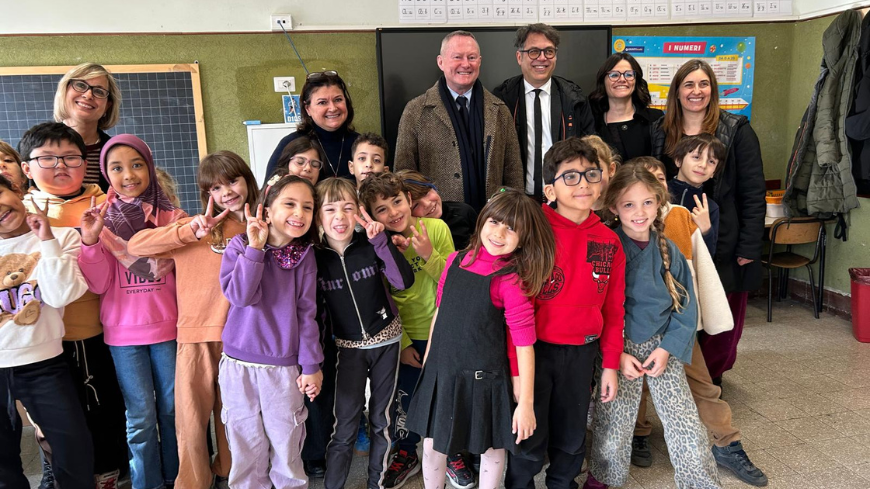
To address the pressing issue of child poverty in Italy, the Council of Europe Commissioner has put forth a series of targeted recommendations aimed at providing a sustainable framework for interventions. A primary recommendation is the establishment of a national action plan that includes measurable objectives and timelines dedicated specifically to combating child poverty. Such a plan would facilitate a cohesive strategy that aligns the efforts of various stakeholders, including government bodies, NGOs, and community organizations. It is essential that this action plan is not only robust but also adaptable, accommodating emerging challenges as they arise.
Moreover, the introduction of legislative measures focusing on minimum public social services plays a critical role in ensuring that all children, regardless of their socio-economic status, have access to essential resources. These measures should encompass health care, educational opportunities, and nutritional assistance, which are fundamental to the well-being of children. By mandating a baseline of social services, Italy can create an environment where every child is afforded the chance to thrive, thus mitigating the long-term effects associated with poverty.
Another vital aspect of implementing these recommendations is the importance of coordinated social services. This entails fostering collaboration among various sectors such as health, education, and housing. Such coordination can enhance the efficacy of services delivered to families in need, reducing bureaucratic obstacles that often hinder access to assistance. Training and capacity-building initiatives for service providers can further strengthen this collaboration, ensuring that they are equipped to address the multifaceted challenges that accompany child poverty.
By putting these recommendations into practice, Italy can create a more equitable and supportive environment for its children, making significant strides toward eradicating child poverty and laying the foundation for a brighter future.


