





















The Significance of Chinese Language Day
Chinese Language Day, celebrated annually on April 20, holds substantial significance both within the United Nations (UN) framework and beyond. Established in 2010 as part of a broader effort to promote multilingualism among the UN’s six official languages, this observance underscores the importance of linguistic diversity as a core value of global communication. Recognizing the Chinese language not only enriches the cultural tapestry of the UN but also strengthens diplomatic dialogue among member states.
Historically, the establishment of Chinese Language Day is rooted in the desire to promote equal representation and usage of all languages in international discourse. This initiative reflects a commitment to fostering understanding and cooperation among diverse nations, emphasizing that language is a bridge that connects cultures. The date chosen, coinciding with the birthday of Confucius, symbolizes the deep philosophical and cultural contributions of the Chinese language to human civilization.
Chinese Language Day plays a pivotal role in promoting intercultural communication by focusing on the Chinese language and its rich heritage. As one of the most spoken languages in the world, with over a billion native speakers, Mandarin Chinese serves as a vital medium for international dialogue, whether in business, education, or cultural exchanges. The celebration encourages individuals and nations to engage with Chinese language learning, ultimately contributing to mutual respect and understanding among different cultures.
Furthermore, this observance helps raise awareness about the significance of preserving linguistic diversity, highlighting that every language bears its unique worldview and cultural nuances. Through a myriad of activities, including workshops, cultural performances, and educational programs, Chinese Language Day promotes not only the language but also art, literature, and traditions, serving as a platform for cross-cultural sharing.
Themes of Harmony and Multilingualism
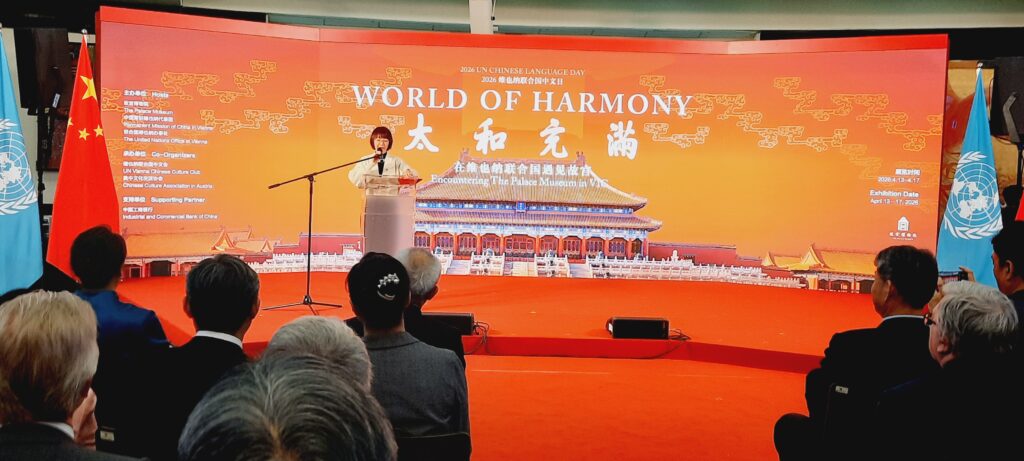
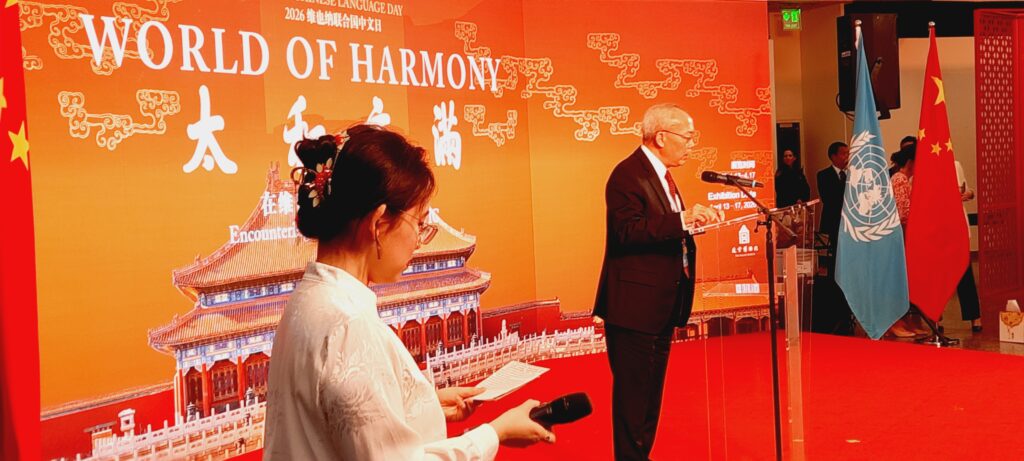
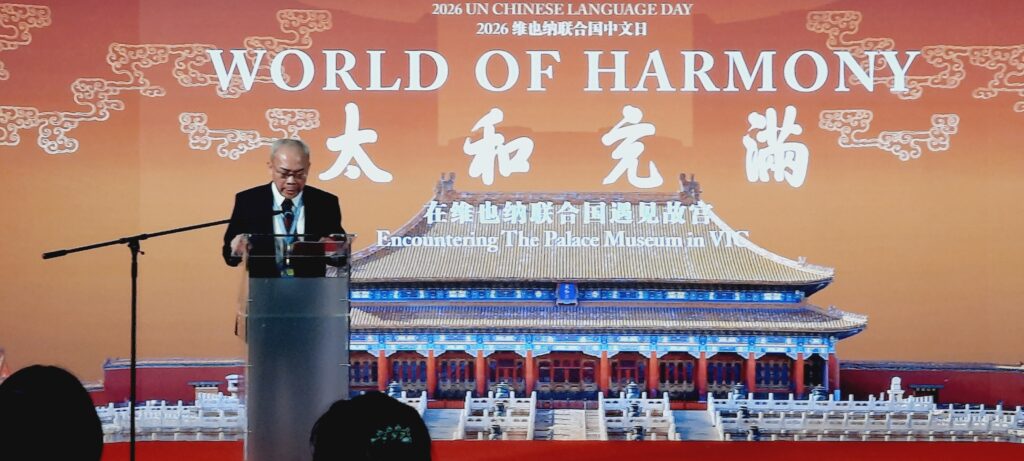
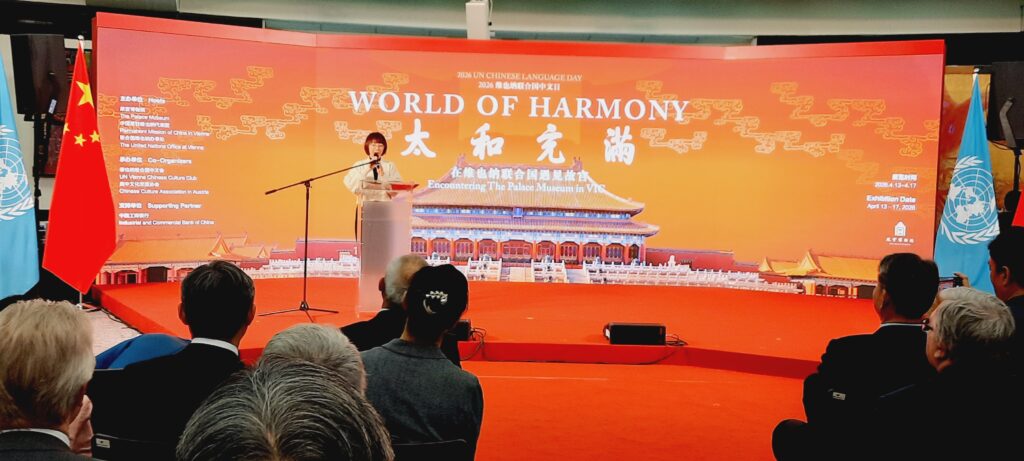
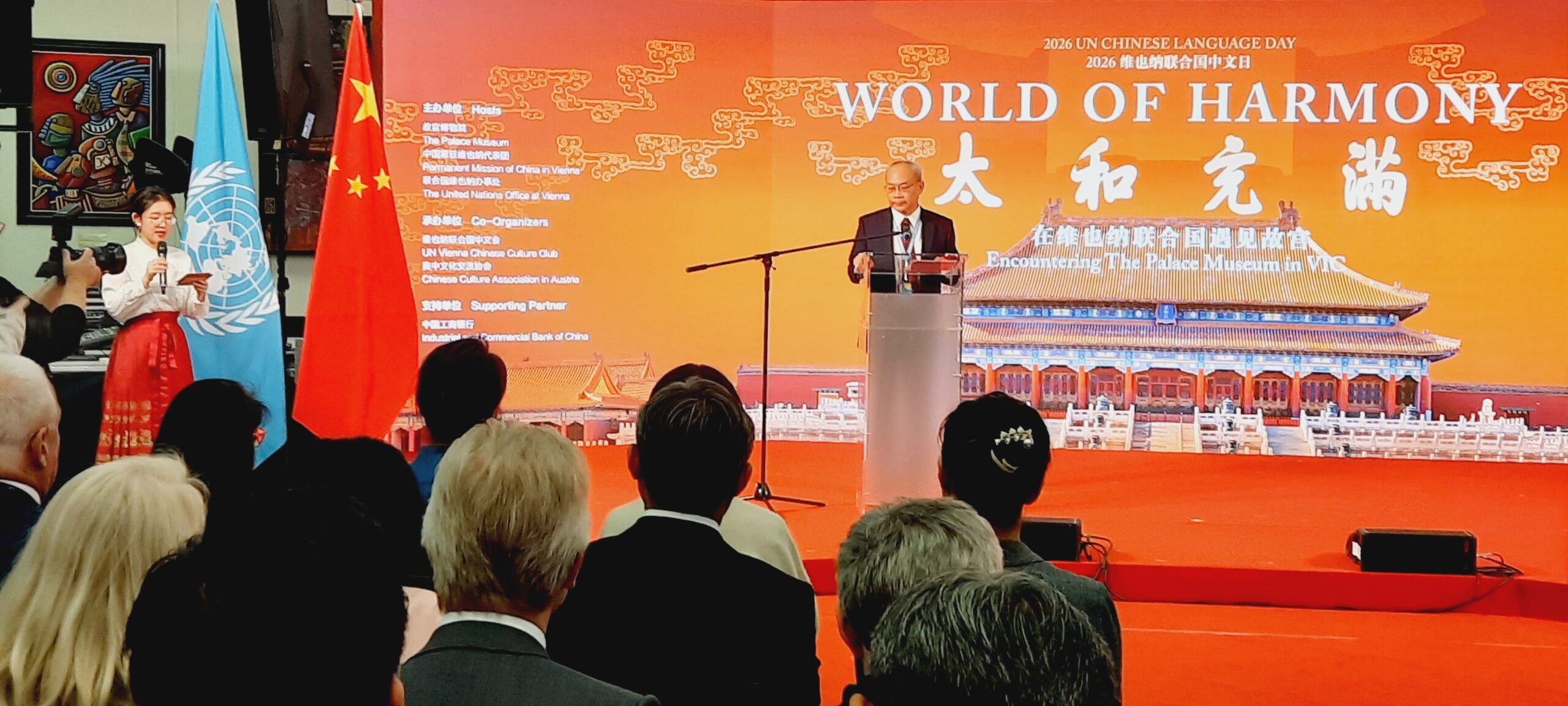
As the world gears up to celebrate Chinese Language Day, the emphasis on the theme of “World of Harmony” for 2026 will spotlight the significance of cooperation and peace among diverse cultures. This theme resonates strongly with the foundational values of the United Nations and serves as a powerful reminder of our collective responsibility toward fostering a multicultural dialogue. Harmony, in this context, symbolizes not only the peaceful coexistence of various cultures but also the appreciation and celebration of linguistic diversity that each culture contributes.
The UN has long championed multilingualism as a pathway to enhance understanding and respect across nations. Through the promotion of multiple languages, the organization encourages a more inclusive approach to global communication. The ability to engage in dialogue in different languages allows for the dismantling of linguistic barriers that often hinder international cooperation. Hence, multilingualism is pivotal in diplomatic efforts, ensuring that negotiations and discussions reflect the voices of all parties involved, irrespective of their linguistic backgrounds.
Furthermore, the commitment to multilingualism cultivates a rich tapestry of ideas and perspectives. By allowing individuals to express their thoughts and emotions in their native languages, we create an environment of mutual respect and learning. Each language carries its unique essence and cultural nuances that enrich global conversations. Thus, the celebration of languages, particularly during events such as Chinese Language Day, serves not only to honor a singular culture but also to promote understanding among all nations.
Ultimately, the themes of harmony and multilingualism are interwoven, highlighting the necessity of cooperation in a globalized world. Together, they reveal the potential for peace and understanding, encouraging societies to embrace the diversity that defines our shared human experience.
Celebratory Events and Activities
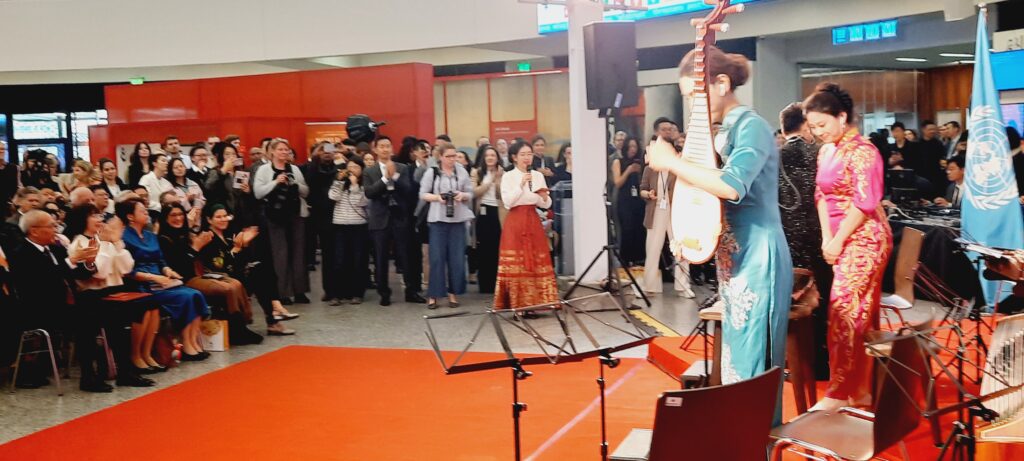
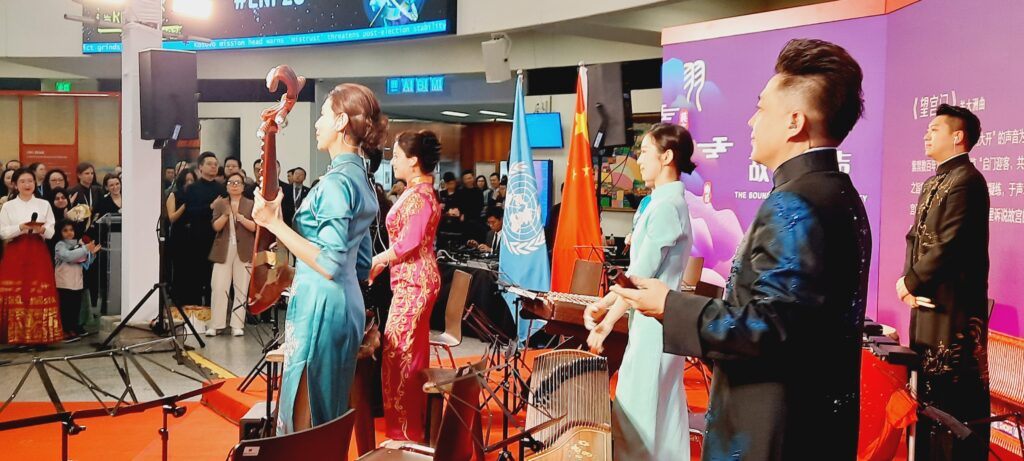
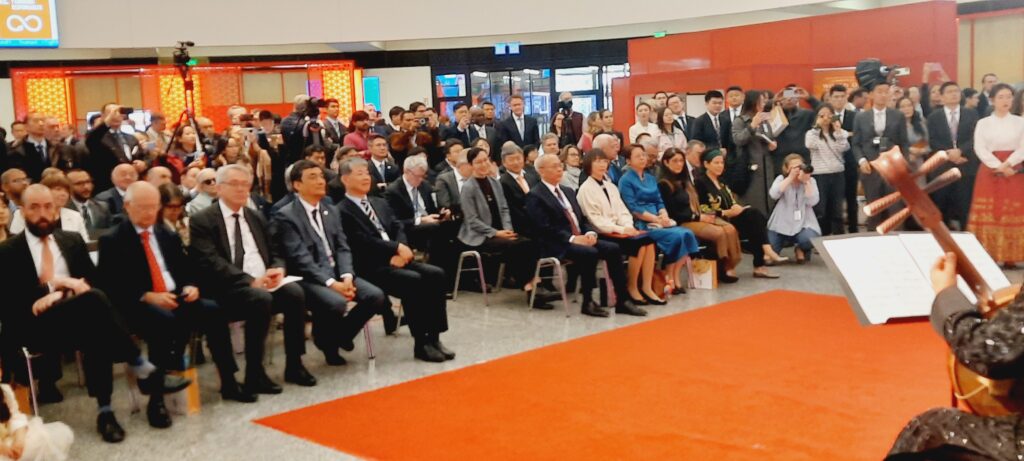
Chinese Language Day is marked by an array of vibrant cultural events and activities tailored to deepen engagement with the Chinese language and its rich cultural heritage. These events play a significant role in fostering understanding and appreciation among diverse audiences. A key highlight of the celebration is the various cultural performances scheduled throughout the day. These performances, which include traditional Chinese music, dance, and theater, not only serve to entertain but also provide insights into the historical and social contexts surrounding the Chinese language.
In addition to live performances, workshops focusing on the art of calligraphy and language will be organized. Participants, ranging from beginners to those seeking to refine their skills, will have the opportunity to learn from experienced instructors. These hands-on activities promote a personal connection to the language, encouraging attendees to appreciate the beauty and intricacies of Chinese characters as they practice this ancient art form.
To further enhance understanding of the Chinese language, exhibitions showcasing its evolution and significance across different regions will be featured. These exhibitions will include historical artifacts, digital displays, and interactive installations that engage visitors of all ages. Accompanying these exhibits will be panel discussions led by experts in anthropology, linguistics, and cultural studies. These discussions aim to stimulate dialogue about the relevance of the Chinese language in contemporary society and its role in global communication.
Together, these celebratory events and activities create a multifaceted approach to honoring the Chinese language, allowing for an immersive experience that not only celebrates the language’s beauty but also encourages cross-cultural dialogue. They attract diverse participants and promote a greater understanding of the importance of preserving linguistic and cultural heritage.
The Role of the United Nations and Global Community
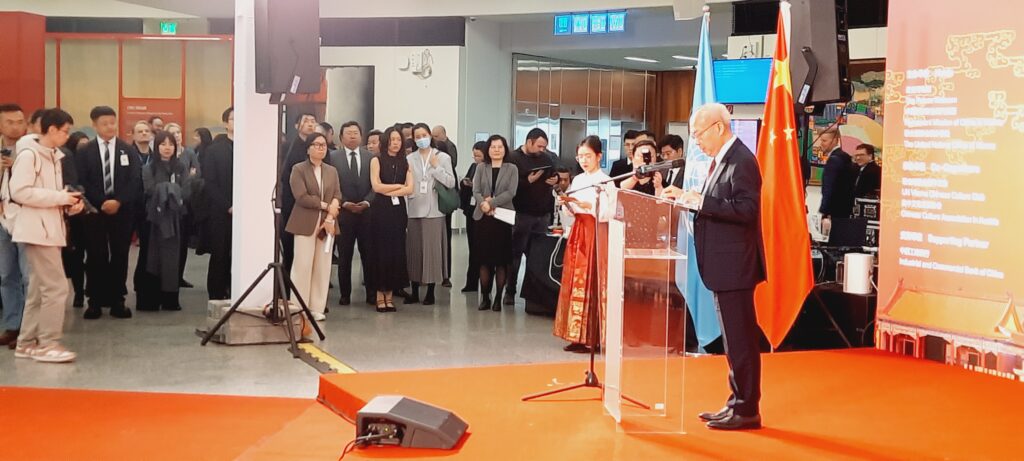
The celebration of Chinese Language Day serves as a focal point for understanding the broader implications of cultural diversity within the framework of international cooperation. The United Nations (UN) plays a pivotal role in these celebrations, emphasizing the importance of multilingualism and cultural recognition. By dedicating a day to the Chinese language, the UN highlights its commitment to preserving and celebrating the rich tapestry of languages that contribute to global heritage.
This initiative encourages diplomats, educational institutions, and cultural organizations worldwide to engage in collaborative efforts that foster mutual respect and understanding. The participation of diverse stakeholders—from ambassadors promoting cultural exchange to educators developing language programs—illustrates how language can bridge gaps between communities. Such collaboration is essential in an increasingly interconnected world where global peace depends on recognizing and valuing cultural differences.
The celebrations are not merely ceremonial; they resonate deeply with the UN’s Sustainable Development Goals, particularly Goal 4, which aims to ensure inclusive and equitable quality education. By promoting languages such as Chinese, educational institutions around the world are cultivating environments that respect and nurture cultural diversity. This educational outreach enables learners to appreciate not only the language itself but also the rich cultural narratives that accompany it.
Ultimately, the collective efforts observed during Chinese Language Day reflect a global commitment to cultural diversity as a fundamental pillar for international harmony. As nations work together to celebrate such significant cultural milestones, they reinforce the idea that mutual respect for language and culture is vital for building peaceful and resilient societies.