


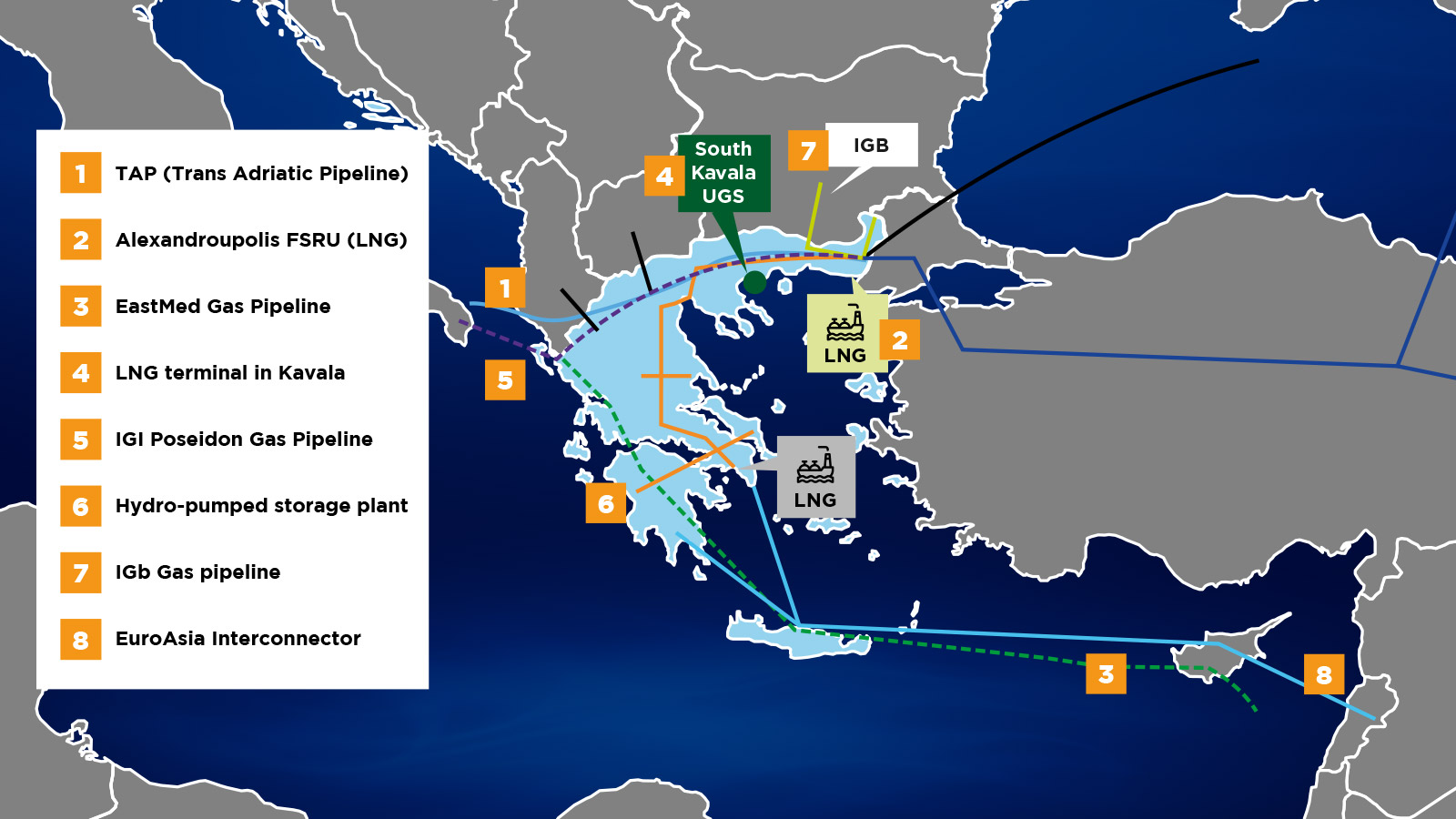
Overview of the Great Sea Interconnector Project
The Great Sea Interconnector (GSI) project represents a significant advancement in the energy infrastructure between Greece and Cyprus. This ambitious initiative aims to establish an undersea electricity interconnection that will facilitate the transfer of energy resources between the two nations. By enhancing the existing energy frameworks, the GSI is set to play a crucial role in promoting electrical connectivity in the eastern Mediterranean region.
Inception of the GSI can be traced back to the need for improved energy security and sustainable solutions in response to the increasing energy demands of both countries. The project’s primary objective is to bolster the reliability of energy supplies by connecting the electrical grids of Greece and Cyprus, thus enabling both countries to share energy resources efficiently. This interconnection is expected to not only stabilize the energy market but also mitigate the risks posed by fluctuating energy prices and supply disruptions.
The significance of the Great Sea Interconnector extends beyond mere connectivity. It is poised to stimulate economic growth by fostering trade in electricity between the two countries. Additionally, the GSI will support the integration of renewable energy sources into the energy mix, promoting cleaner energy alternatives that align with global sustainability goals. As a result, the project contributes to the broader objectives of enhancing energy independence and reducing carbon footprints.
Furthermore, the expected outcomes for regional energy markets are substantial. The interconnection will help to balance supply and demand dynamics, supporting both Greece and Cyprus in achieving a more resilient and sustainable energy future. By facilitating an open and competitive electricity market, the GSI is likely to attract investment, encourage technological innovation, and ultimately benefit consumers through enhanced service delivery and cost efficiency.
Meridiam’s Role and Investment Significance
Meridiam, a global leader in the management of public infrastructure investments, has made a significant commitment as the majority shareholder in Greece’s GSI project. This strategic involvement is poised to bolster the project’s credibility and financial stability, underscoring Meridiam’s expertise in navigating complex infrastructures.
The investment by Meridiam not only signifies a strong vote of confidence in the GSI initiative but also reinforces the project’s capacity to deliver sustainable energy solutions in Greece. With Meridiam’s substantial resources and extensive experience, the project is expected to benefit from optimized management practices and innovative financing mechanisms. This creates a solid foundation for executing the project efficiently and effectively.
One of the critical implications of Meridiam’s involvement is the bolstering of investor confidence. The integration of Meridiam’s seasoned approach to infrastructure development enhances the attractiveness of the GSI project to potential investors. Knowing that a reputable entity like Meridiam is at the helm increases the allure for both domestic and international investors, thereby paving the way for additional funding avenues.
This robust investment strategy not only aims at the immediate goals of enhancing energy infrastructure but also fosters a long-term vision for Greece’s energy landscape. By leveraging their vast network and expertise, Meridiam is uniquely positioned to ensure the project’s successful implementation, thereby establishing a model for future public-private partnerships in the country.
Moreover, Meridiam’s endorsement adds a layer of trust and integrity to the project, which is crucial in attracting further investments. The active participation of such a prominent player in the infrastructure sector is likely to catalyze additional investment flows into Greece, thereby creating a ripple effect that benefits the broader economic landscape.
Strategic Collaboration and Technical Leadership
In the evolving energy landscape of Greece, the strategic partnership between the Independent Power Transmission Operator (IPTO), the Greek State Interconnections (GSI), and Nexans plays a pivotal role in expediting the construction of crucial energy infrastructure. This collaboration not only aims to enhance the resilience of Greece’s energy networks but also aligns with the European Union’s broader energy goals. Each partner brings unique capabilities and expertise, fostering an environment conducive to successful project execution.
IPTO stands out as a key player in the development of Greece’s transmission systems, ensuring the reliable and efficient transmission of electricity across the nation. Its leadership in managing the project’s complexities is essential to overcoming regulatory hurdles that often impede progress in large-scale infrastructure projects. By leveraging its extensive experience, IPTO coordinates with government entities and regulatory bodies, thereby streamlining necessary approvals and facilitating an efficient construction process.
Meanwhile, GSI focuses on integrating new technologies and ensuring that Greece’s energy grid meets evolving demands. Its involvement ensures that the project adheres not only to national standards but also aligns with international best practices. By working closely with IPTO, GSI enhances the project’s credibility and relevance in the context of the European energy market.
Nexans, recognized for its technical expertise and innovative solutions in cable technology, contributes significantly to the strategic collaboration. The company’s role encompasses providing cutting-edge infrastructure materials and ensuring that the installation processes meet the highest standards of quality and safety. Through its participation, Nexans also supports the development of sustainable practices within the broader context of the interconnection project.
This alliance between IPTO, GSI, and Nexans underscores the importance of collaborative efforts in addressing the challenges faced during the construction phase. By capitalizing on each organization’s strengths, the partnership is well-equipped to navigate the intricacies of regulatory environments and push forward Greece’s energy interconnection initiatives effectively.
Future Prospects and Regional Energy Integration
The Meridiam agreement presents a significant opportunity for Greece and Cyprus to enhance their energy security and resilience. As the initiative unfolds, the potential for Greece to emerge as a central energy hub in the Eastern Mediterranean becomes increasingly evident. By capitalizing on strategic investments and initiatives, Greece can establish a robust infrastructure that supports not only national energy demands but also serves as a conduit for regional energy collaboration.
This agreement is poised to play a crucial role in shaping the future energy landscape of the region. The enhanced energy interconnections, particularly the proposed Cyprus-Israel electricity project, could serve as key components in this broader energy strategy. By linking these nations with Greece, there is an opportunity to create a more integrated energy market that benefits all parties involved. This electricity project, alongside other regional initiatives, can facilitate the sharing of resources and technologies, leading to enhanced energy resilience.
Moreover, as Greece strengthens its position within the regional energy sector, it stands to influence its connectivity with the European electricity market. Enhanced connections to Europe not only diversify energy supply sources but also increase the resilience of the entire network. Such strategic moves are essential as Europe seeks to secure its energy future amid evolving geopolitical dynamics.
In conclusion, the implications of the Meridiam agreement extend beyond mere investments; they signal a transformative shift in energy interconnectivity across the Eastern Mediterranean. By fostering collaboration among countries in the region, Greece can solidify its status as an energy leader, effectively enhancing energy security and resilience for both itself and its neighbors. The future prospects of this collaboration are bright, as increased interlinkages pave the way for a more stable and integrated energy framework in the region.


