



















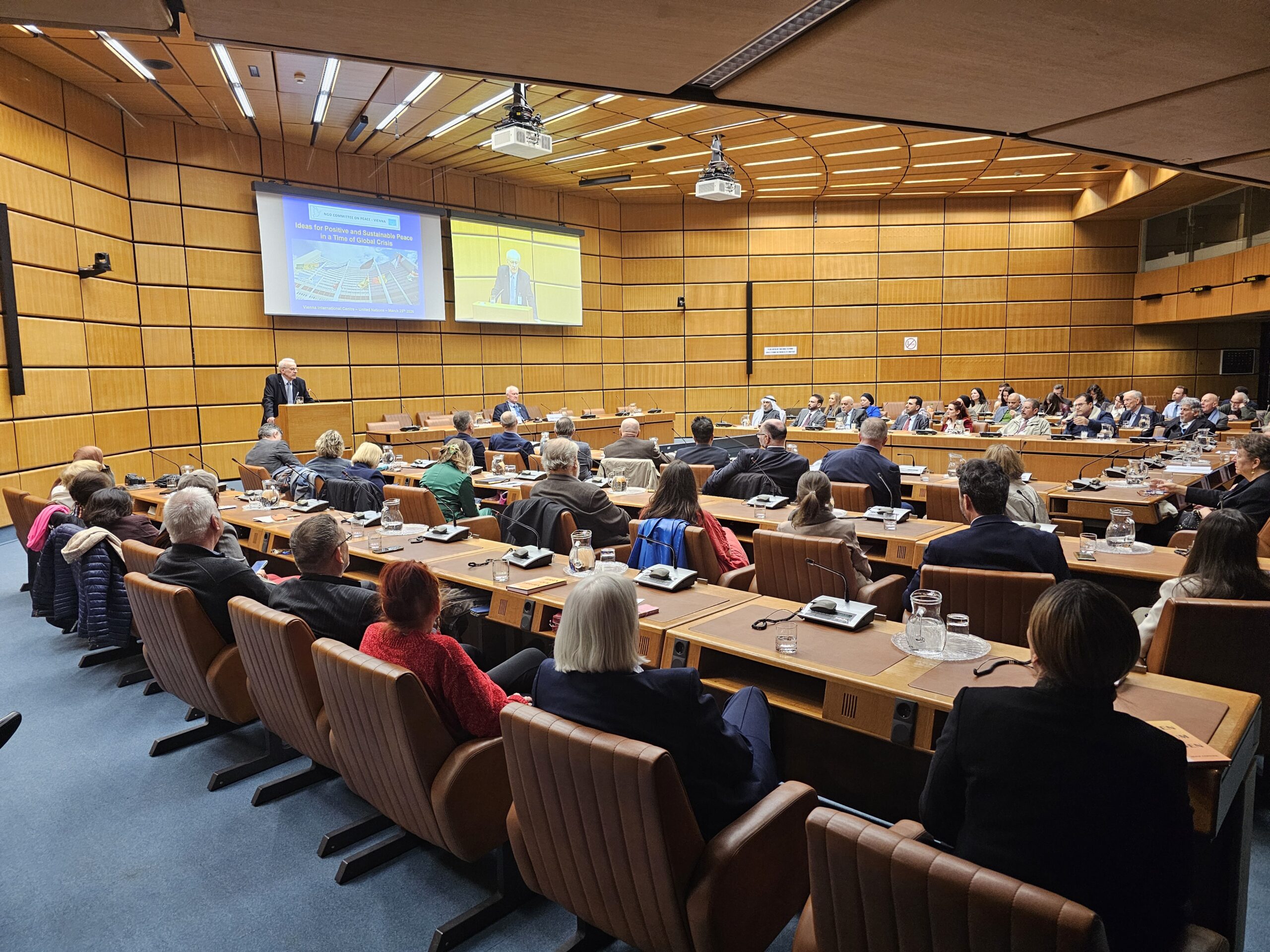
Introduction to the NGO Committee on Peace
The NGO Committee on Peace is a vital assembly located in Vienna, dedicated to fostering and promoting discussions on peace-related matters on an international scale. Established as a platform to unite various non-governmental organizations (NGOs), the committee aims to enhance collaboration among its members, focusing on implementing peace initiatives worldwide. Its formation was driven by the necessity to address the growing complexities of global conflicts and the need for a coordinated response from civil society.
This committee’s mission revolves around advocating for sustainable peace through various means, including dialogue, education, and conflict-resolution strategies. By bringing together a diverse range of voices and expertise, the NGO Committee on Peace serves as a catalyst for change, encouraging NGOs to share their resources, knowledge, and experiences in peacebuilding efforts. Its overarching goal is to create an environment where dialogue and cooperation can flourish, ultimately contributing to a more peaceful world.
The leadership of the committee comprises an experienced chair and a team of vice-chairs, who collectively bring a wealth of knowledge and dedication to their roles. Each leader is passionate about peace initiatives and has a proven track record in areas such as conflict resolution, diplomacy, and grassroots activism. Under their guidance, the NGO Committee on Peace effectively promotes its mission, engages with various stakeholders, and participates in significant international discussions surrounding peace and security.
In fostering communication and collaboration among NGOs, the committee also plays an essential role in connecting grassroots organizations with global platforms and institutions, amplifying their voices and ensuring that local perspectives are included in broader peace dialogues. This strategic alignment not only enhances the visibility of NGOs but also enriches the discussions on peace initiatives with varying viewpoints and innovative solutions.
The Relevance of Positive Peace in Today’s Global Context
In contemporary society, the concept of positive peace has gained significant relevance, especially in light of ongoing global crises. Unlike negative peace, which is defined merely as the absence of conflict and violence, positive peace encompasses a deeper understanding of social justice, equality, and cooperative systems that promote the well-being of individuals and communities. This broader perspective is increasingly essential as nations grapple with complex challenges such as socio-political unrest, economic instability, and environmental degradation.
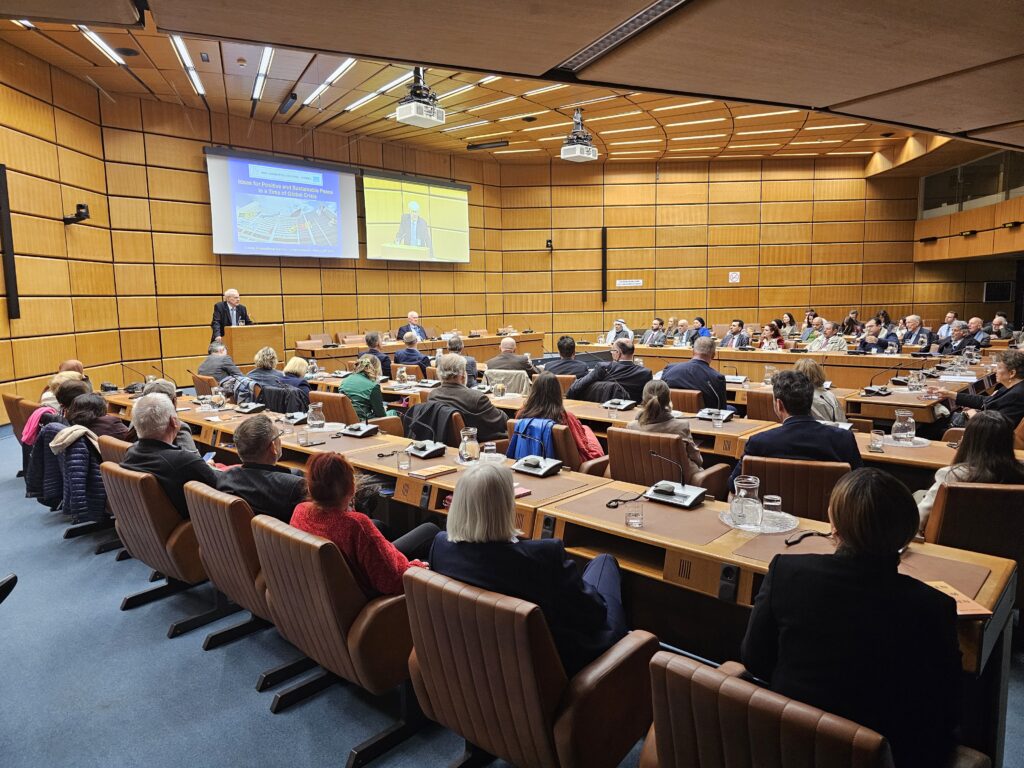
Dr. Heinz Gärtner, a prominent figure in the field of peace studies, has made substantial contributions to the understanding of positive peace through his teachings and writings. His book, ‘Ideas for Positive Peace,’ delves into the theoretical underpinnings of this concept, emphasizing that positive peace is not merely an ideal to be aspired to, but a tangible framework for action. Gärtner highlights the necessity of innovative solutions that foster resilience and adaptability in the face of adversity, urging policymakers and communities to consider collaborative approaches to problem-solving.
Gärtner’s work resonates particularly in today’s global context, which is characterized by rising tensions and a critical need for sustainable development. Implementing the principles of positive peace can serve as a guiding light, helping to navigate through crises by promoting dialogue, understanding, and mutual respect among diverse groups. It fosters an environment where conflicts can be resolved amicably, rather than through violence or coercion, thereby enhancing societal stability.
In exploring the applicability of positive peace during global crises, it becomes clear that it serves as a catalyst for transformative change. By prioritizing interconnectedness, communities can work together to address underlying issues and build a more equitable future. Ultimately, this approach not only addresses immediate concerns but also lays the groundwork for long-term harmony, proving the critical relevance of positive peace in today’s challenging landscape.
Discussion Meeting: Agenda and Objectives
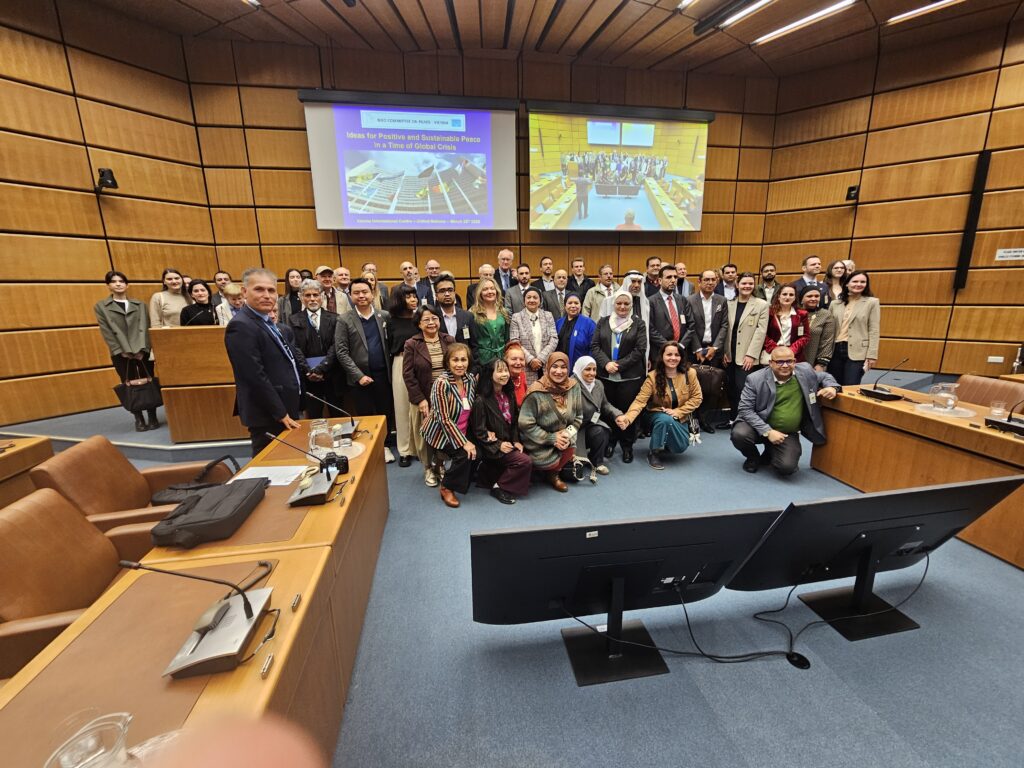
In light of the pressing global challenges we face today, an information and discussion meeting will be convened at the Vienna International Centre. This gathering aims to address the critical need for constructive dialogue regarding sustainable peace strategies. The agenda has been meticulously crafted to highlight key objectives that stakeholders will delve into throughout the session.
Among the central topics of discussion the importance of collective input from diverse non-governmental organizations (NGOs). Engaging multiple perspectives is vital as it facilitates the sharing of expertise and knowledge, ultimately leading to more effective peacebuilding initiatives. Each NGO represents a wealth of experiences and insights that, when pooled together, can foster innovative solutions to foster stability and sustainable peace.
The outcomes of the meeting include the formulation of actionable recommendations that can be adopted by policymakers and community leaders alike. By fostering collaboration among different sectors, this meeting aspires to create a comprehensive strategy aimed at addressing the complexities of achieving lasting peace amidst turmoil. Furthermore, participants will explore best practices and success stories from various regions to inform future peace strategies.
Attendance at this meeting is particularly significant during such tumultuous times, as it serves as an opportunity for stakeholders to not only share their viewpoints but also to build alliances aimed at promoting sustainable peace. Engaging in such critical discourse ensures that the voices of those most affected by conflict are heard and considered in decision-making processes.
Insights from Key Speakers and Board Members
At the forefront of discussions surrounding peace and sustainability is Dr. Heinz Gärtner, a distinguished expert in international relations and conflict resolution. His extensive experience in global diplomacy plays a vital role in shaping the vision of the International Institute for Peace (IIP). With a PhD in Political Science, Dr. Gärtner has published numerous papers focusing on peace studies, international conflict management, and policy analysis, providing essential insights into the mechanisms that underpin sustainable peace initiatives.
Dr. Gärtner emphasizes the importance of interdisciplinary approaches to fostering dialogue among conflicting parties. He advocates for combining academic insights with real-world applications to create comprehensive strategies that address the multifaceted nature of global crises. Through his leadership at the IIP, he aims to galvanize efforts towards constructive and inclusive peace processes, drawing on his theoretical knowledge and practical experience.
Moreover, the integration of various disciplines ensures a broad-based approach to tackling pressing global issues, highlighting the interconnectedness of peace, security, and development. As the IIP moves forward in its objectives, these insights from both Dr. Gärtner and the board members illustrate the essential interplay of knowledge and experience in formulating effective peace strategies that can withstand the challenges posed by current global crises.