






















Introduction to the Vienna Energy and Climate Forum 2026
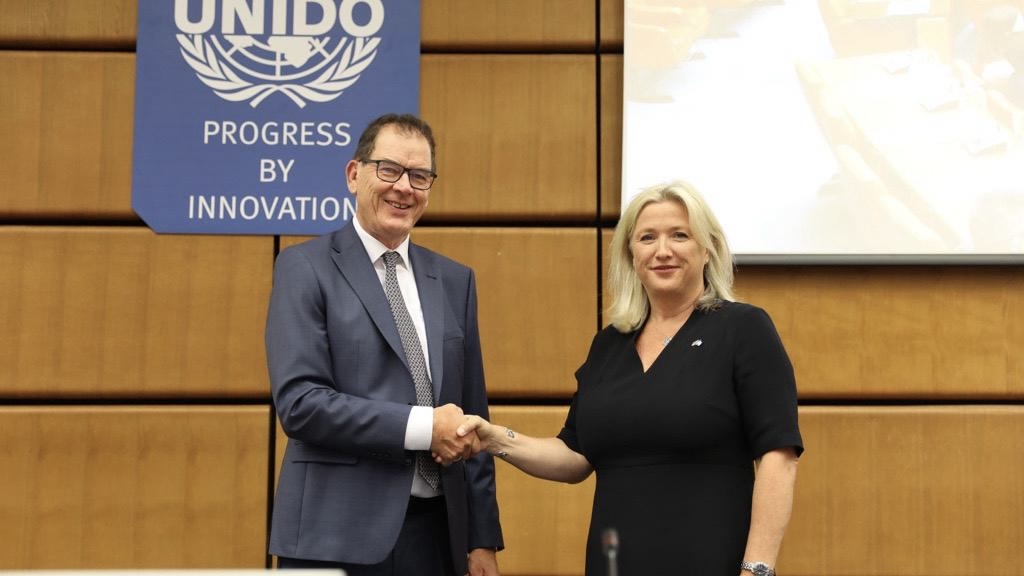
The Vienna Energy and Climate Forum 2026 (IVECF) on its second day serves as a pivotal platform aimed at galvanizing global action towards sustainable development in the context of energy and climate challenges. As nations grapple with the impact of climate change, shifting geopolitical landscapes, and increasing energy demands, the IVECF stands out as a vital gathering for stakeholders committed to fostering collaboration and innovative solutions.
The forum’s objectives are multifaceted, focusing on equipping participants with actionable strategies to transition from theoretical targets to practical implementations. In recent times, the urgency of addressing climate-related issues has escalated, prompting a collective recognition of the need for immediate and effective measures. The significance of multilateral cooperation cannot be overstated; it is essential in forging partnerships that transcend borders and harness shared knowledge and resources. By bringing together policymakers, industry leaders, and civil society, the IVECF endeavors to create an inclusive dialogue that fosters understanding and commitment towards sustainable energy practices.
In light of the current complexities surrounding global energy systems, the forum will address key topics such as energy security, sustainable resource management, and technological innovations that can improve climate resilience. Additionally, it will highlight the importance of integrating diverse perspectives and engaging in constructive negotiations to achieve common goals. The outcomes of the IVECF are anticipated to yield a robust framework that empowers countries and organizations to implement solutions that genuinely contribute to a more sustainable future.
Overall, the Vienna Energy and Climate Forum 2026 represents an urgent call to action, stressing the importance of collaboration and decisive implementation as essential pathways to realizing a sustainable energy landscape and addressing the pressing climate concerns of our time.
The Current Energy and Climate Landscape
The contemporary energy and climate landscape is marked by a multitude of challenges that threaten global stability and sustainable development. One of the primary concerns is the disruption in energy supply chains, exacerbated by geopolitical tensions and natural disasters. These disruptions highlight the vulnerability of energy infrastructures, making countries increasingly dependent on volatile markets. Such fluctuation in energy availability not only affects economic growth but also hampers progress toward climate targets.
Another pressing issue is the competition for critical resources, particularly fossil fuels and rare minerals necessary for renewable energy technologies. As nations strive to secure renewable energy materials, tensions may escalate, leading to disputes that can undermine cooperative international efforts. This competition underscores the need for innovative approaches in resource management and international collaboration aimed at sustainable extraction and utilization.
Climate change, an overarching challenge, compounds these issues by exacerbating extreme weather events, which in turn threaten both energy production and resource availability. Rising temperatures, increased frequency of storms, and droughts can disrupt energy generation, particularly in regions dependent on hydroelectric power. Furthermore, these climatic phenomena disproportionately impact the most vulnerable communities that often bear the brunt of energy poverty, resulting in a lack of access to reliable and affordable energy sources.
This ongoing issue of energy poverty persists as a barrier to achieving developmental goals, pushing individuals and communities into a cycle of hardship that is difficult to escape. The interdependence of energy and climate issues becomes increasingly evident in this context, revealing the urgent need for cohesive policies that prioritize sustainable development. Addressing these challenges requires collective commitment from governments, industries, and communities to foster innovation and resilience in both energy and climate sectors.
Opportunities for Sustainable Development and Green Industrialization
The transition towards sustainable development is gaining significant momentum, particularly due to recent advancements in sustainable energy technologies. Innovations in renewable energy sources, such as solar, wind, and biomass, provide unprecedented opportunities for economic growth, especially in regions like least developed countries (LDCs), landlocked developing countries (LLDCs), and small island developing states (SIDS). These innovations are crucial for addressing climate change while simultaneously fostering economic stability.
Green industrialization allows countries to harness these technological advancements, stimulating local economies and creating job opportunities. By transitioning from traditional manufacturing practices to sustainable methods, nations can improve their productivity and create resilience against environmental challenges. This shift not only reduces dependency on fossil fuels but also minimizes environmental degradation, promoting both social and economic well-being.
Emerging economies play a pivotal role in scaling effective sustainable solutions, serving as laboratories for innovative approaches. They can leverage their unique circumstances to develop tailored strategies that reflect their local contexts. For instance, countries with abundant natural resources can maximize renewable energy production while implementing energy efficiency measures. By focusing on clean energy technologies, these nations can attract investments, facilitate technology transfer, and boost regional collaborations, all of which contribute to sustainable development goals.
The importance of innovation cannot be overstated. It serves as the backbone of green industrialization, allowing for the continuous evolution of sustainable practices that are essential in the fight against climate change. As nations invest in research and development of clean technologies, they pave the way for extensive applications that enhance productive capacities and foster economic resilience. The future of green industrialization hinges on how effectively these innovations are integrated into national strategies, especially in developing regions.
Strategies and Actions from IVECF 2026
The International Vision for Energy and Climate Forum (IVECF) 2026 has emerged as a pivotal platform aimed at fostering the intersection between global commitments and their practical implementation in the realm of sustainable development. The forum facilitates high-level sessions that encompass a wide array of critical discussions surrounding energy transition, climate resilience, and sustainable practices. One of the paramount objectives is to create actionable initiatives that can be monitored and evaluated to ensure progress towards the Sustainable Development Goals (SDGs).
A significant focus of IVECF 2026 is the empowerment of youth and the promotion of gender equality within the climate action discourse. Recognizing the vital role that young people play in shaping a sustainable future, the forum has designed specific programs and workshops aimed at engaging this demographic. Moreover, the integration of diverse voices, particularly from marginalized and underrepresented groups, is emphasized throughout the conference. This approach not only enriches discussions but also enhances the legitimacy of the solutions proposed.
The networking opportunities provided at IVECF 2026 allow delegates and participants to forge connections across sectors, leading to the exchange of innovative ideas and best practices. Side-events are strategically arranged to open dialogue on specific topics, thereby fostering collaborations that extend beyond the duration of the forum. By aligning global commitments with localized actions, IVECF stands as a beacon for collaborative efforts in sustainable development.
Through meticulous planning and engagement, IVECF 2026 strives to ensure that the outcomes of the forum translate into tangible actions. The call to action resonates throughout the sessions, urging stakeholders to commit to policies and practices that should drive meaningful change in their respective spheres, thereby contributing to the overarching goal of a sustainable and equitable world.