




















The Fragile Calm in Gaza: A Glimpse into Ongoing Tensions
The recent war in Gaza has led to a temporary ceasefire, but the situation remains fraught with tension. Reports indicate ongoing military skirmishes between the Israel Defense Forces (IDF) and Hamas, illustrating the volatility of the region. The IDF has accused Hamas of violating the ceasefire agreement multiple times, which has resulted in targeted airstrikes as a form of reprisal. These military actions not only highlight the fragility of the current calm but also raise serious concerns regarding humanitarian conditions for Palestinian civilians caught in the crossfire.
While the ceasefire has ostensibly reduced large-scale hostilities, sporadic violence persists, rendering the peace durable only in name. Civilian populations bear the brunt of these ongoing tensions as airstrikes and retaliatory actions create an atmosphere of fear and uncertainty. Furthermore, the implications for civilian governance in Gaza remain uncertain amid this precarious situation.
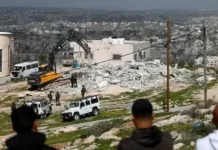
The complexities are compounded by increased settler violence in the West Bank, with attempts from both local authorities and the Israeli government to curb these incidents proving largely ineffective. Settler activity not only affects the lives of Palestinians but also adds a layer of complication to the overarching quest for peace in the region.
In this context, the upcoming peace plan from the Trump administration presents additional challenges. Analysts suggest that the proposed framework may not address the underlying grievances and structural issues that fuel the ongoing conflict, thereby endangering the prospect of achieving long-standing governance stability in Gaza. As these dynamics unfold, the international community watches closely, aware that the path to sustainable peace is fraught with obstacles that need to be navigated with care.
Governance Challenges in the West Bank: A Call for Protection and Justice
The governance situation in the West Bank has increasingly come under scrutiny as the region grapples with persistent instability and violence. Palestinians have faced significant challenges to their governance and safety, particularly from settler violence and the destruction of property, including olive harvests, which are vital to their livelihoods. The ongoing attacks not only infringe upon their rights but also highlight the urgent need for a protective governance framework that addresses these injustices.
In many instances, the repercussions of settler actions disproportionately impact Palestinian communities, leading to an environment where fear and insecurity prevail. The asymmetrical nature of the consequences faced by Palestinians compared to their Israeli counterparts raises serious questions about the mechanisms of justice and protection in the region. This disparity exacerbates tensions and undermines any efforts toward sustainable peace.
Addressing these governance challenges requires collaboration and innovative solutions. One potential pathway involves the engagement of neighboring states, particularly Jordan, in governance and protective roles. Such involvement could lend additional legitimacy and support to Palestinian efforts to establish a more effective and accountable governance structure. However, it is crucial that any such arrangements prioritize a Palestinian-led approach to governance. This aligns with the perspectives of various Israeli leaders who have acknowledged that sustainable peace can only emerge from solutions that center Palestinian rights and voices.
In the quest for a durable resolution, it is imperative that local and international stakeholders prioritize the protection of Palestinian communities and the establishment of fair governance. By adopting policies that emphasize justice, accountability, and non-violence, there is an opportunity to pave the way towards a more sustainable and peaceful coexistence in the region.
Ukraine’s Turbulent Landscape: International Reactions to Controversial Peace Plans
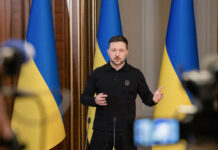
The conflict in Ukraine has reached a critical juncture, marked by ongoing Russian drone attacks targeting civilian infrastructure and military assets. These actions have intensified the crisis, provoking a range of international responses aimed at addressing the emerging humanitarian and geopolitical ramifications.
In the wake of these developments, a controversial peace plan has surfaced, which is perceived by many as primarily favoring Russian interests. This plan has ignited debate among global leaders regarding the implications of potentially legitimizing Russian territorial gains through negotiation. The G20 and European Union, in particular, have expressed concerns about the long-term consequences of such an approach, highlighting a commitment to uphold Ukraine’s sovereignty and territorial integrity.
The G20 summit has become a platform for divergent strategies in addressing the conflict. Countries within the grouping are showcasing varied diplomatic representations, reflecting a spectrum of attitudes toward the involvement of Russia in the peace process. While some nations advocate for a steadfast approach against any concessions to Russia, others exhibit a willingness to engage in dialogue, fearing a prolonged conflict could destabilize the region further.
The EU’s position has also evolved, as it balances the immediate need for de-escalation with the necessity of maintaining a united front against aggression. There are increasing apprehensions that any peace plan perceived as lenient toward Russia could embolden further acts of aggression, undermining international law and the principles of national sovereignty.
As the situation in Ukraine remains fraught with uncertainty, the international community’s responses to these complex dynamics will continue to shape the pathways toward potential peace or further conflict in the region.
The Global Dance of Diplomacy: Putin’s Strategies and Western Responses
Amidst the evolving geopolitical landscape, Russian President Vladimir Putin remains remarkably confident, particularly in light of the perceived disunity among Western nations. This confidence primarily stems from his strategic maneuvers within the BRICS framework, which consolidates Brazil, Russia, India, China, and South Africa into a formidable alliance. Through this coalition, Putin aims not only to fortify Russia’s global standing but also to reinvigorate its influence in former Soviet territories, a strategy that he perceives as essential for restoring Russia’s prominence on the world stage.
One of the pivotal aspects of Putin’s diplomacy entails anticipating Western fatigue and disengagement from prolonged conflicts. Observers argue that with the ongoing military actions in Ukraine, there exists a broader expectation among Russian leadership that Western resolve may weaken over time. This expectation could significantly inform Putin’s approach to negotiation and military engagement, as he seeks to exploit any cracks in the united front presented by Western allies.
Furthermore, the reactions of international leaders, particularly those of former U.S. President Donald Trump, reflect a divergent attitude toward peace negotiations. Trump’s controversial assertions regarding potential pathways to diplomacy have stirred discussions about the efficacy of current strategies employed by Western leaders. These claims underscore a growing sentiment in some circles that alternative approaches to handling Russian advances may be warranted, especially as the conflict drags on and calls for a sustainable resolution become more pronounced.
In Europe, leaders continue to grapple with the ramifications of Russia’s foreign policies, balancing the need for security against the desire for diplomatic engagement. The sentiment towards Putin’s strategies reveals a complex interplay of caution and willingness to explore negotiations, highlighting the urgent need for coherent and effective diplomatic measures to counteract the implications of Russia’s military operations in Ukraine and beyond.