






















The Xi-Trump Summit: Redefining U.S.-China Relations
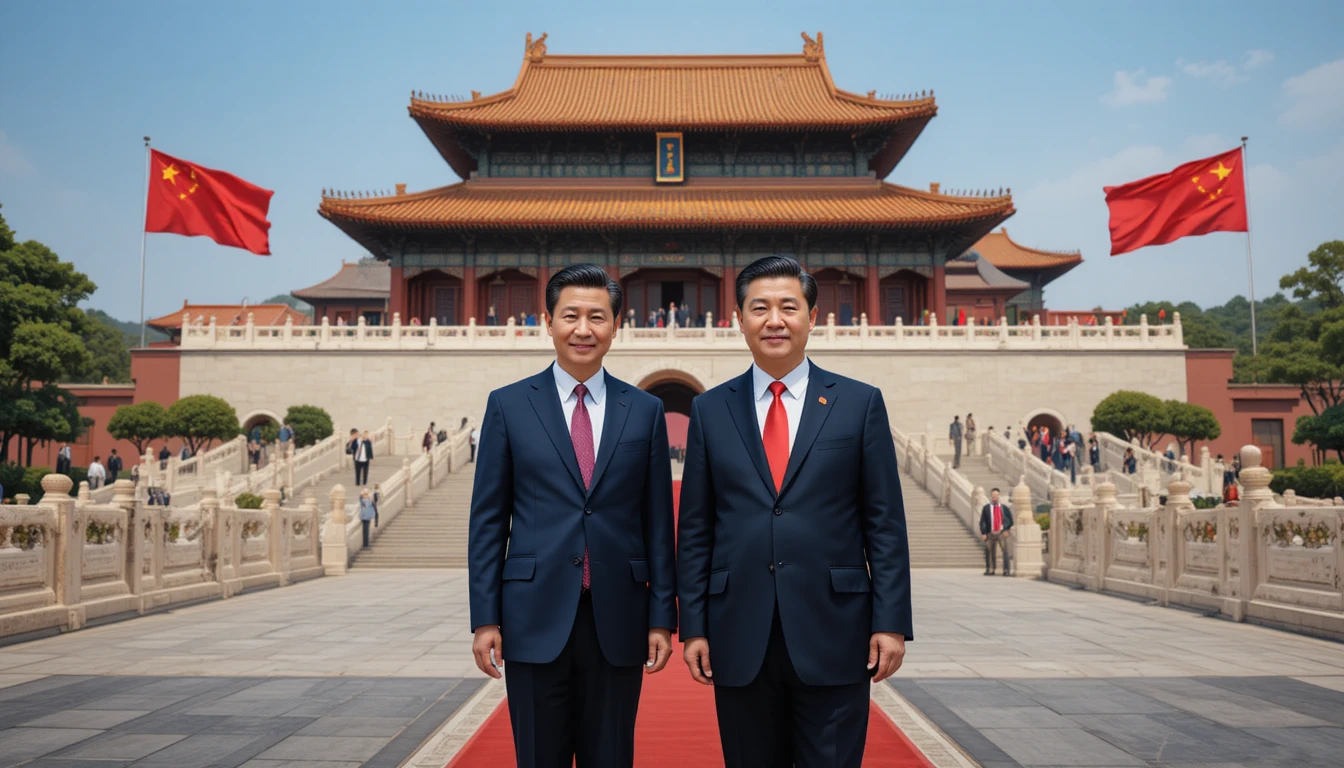
The summit held between President Donald Trump and President Xi Jinping marked a watershed moment in the dynamics of U.S.-China relations, significantly impacting global diplomacy and strategic stability. This meeting not only highlighted the competition between these two economic powerhouses but also underscored their acknowledgment of the necessity for cooperation in an increasingly complex international landscape.
One of the major outcomes of the summit was the establishment of key agreements focused on promoting strategic stability. Both leaders recognized the need to develop frameworks that could manage competition while fostering collaboration in crucial sectors such as trade, security, and diplomacy. The discussions embraced a multitude of economic initiatives aimed at revitalizing trade relations, creating a foundation for a more balanced economic partnership. These measures included commitments to reduce trade barriers and enhance investment opportunities, all of which serve to bolster the economies of both nations.
Additionally, the summit was illuminated by a high-profile business delegation that accompanied President Trump, signifying mutual commercial interests. This delegation facilitated dialogues aimed at creating favorable circumstances for businesses in both nations, reinforcing the idea that economic interdependence could act as a stabilizing factor amidst geopolitical tensions. Symbolic gestures, such as joint commitments to address climate change and regional security concerns, further demonstrated a willingness to engage in cooperative endeavors.
Ultimately, the Xi-Trump summit serves as a critical juncture for U.S.-China relations, where both leaders have chosen to navigate through the intricate balance of competition and collaboration. This framework for strategic stability will be essential for addressing broader global challenges and ensuring a cohesive approach to governance in the future.
Europe’s Strategic Challenge: Adapting to U.S.-China Dynamics
The contemporary geopolitical landscape is undergoing considerable transformation due to robust ties between the United States and China. This paradigm shift presents a strategic challenge for Europe as it seeks to navigate its position within this evolving framework. European leaders are increasingly vocal about their concerns regarding a confrontational approach to China, suggesting that it may not only be counterproductive but could also exacerbate tensions rather than alleviate them. A more nuanced understanding of U.S.-China dynamics is essential for Europe to craft its foreign policy effectively.
In recent discussions at various summits, European officials have emphasized the necessity of reassessing their diplomatic strategies. Many argue that a solely antagonistic stance towards China oversimplifies the complexities of international relations and underestimates the potential benefits of engagement. Trade relationships, climate change initiatives, and global health issues are significant areas where Europe can assert its influence while advocating for cooperative solutions. This suggests that a recalibration towards a more multifaceted approach could enhance Europe’s global standing.
The recent dialogues among European leaders highlight a moment of critical reflection on Europe’s autonomy and its role on the world stage. With the U.S. pivoting its focus towards containing China, Europe must decide whether it will follow suit or carve out an independent path. By pursuing a strategy that emphasizes dialogue rather than division, Europe can maintain relevance and foster stability. Hence, adapting to the intricacies of U.S.-China relations is not merely a challenge but an opportunity for Europe to reaffirm its commitment to diplomacy and collaboration in an increasingly polarized global environment.
Opportunities and Risks for Europe in a Shifting Global Order
The evolving geopolitical landscape, particularly in light of recent U.S.-China agreements, presents both opportunities and risks for Europe. As international dynamics shift, Europe’s position within the global framework is increasingly under scrutiny. One of the central concerns is the economic implications of these agreements, which could lead to market disadvantages for European exporters. The notable focus on the U.S.-China economic relationship may divert attention and resources away from European markets, potentially constraining growth in key sectors.
Furthermore, the technological competition between the United States and China, especially in areas such as artificial intelligence (AI) and green technology, underscores a pressing challenge for Europe. European nations are now confronted with the necessity to enhance their own technological capabilities to avoid falling behind in this critical race. Embracing innovation while ensuring security in these industries will be vital for maintaining competitiveness. Collaborative efforts among European countries can leverage shared resources and knowledge, fostering advancements while mitigating risks associated with global technological leadership.
In this backdrop, it is imperative for Europe to evaluate its strategic options concerning defense and technology independence. Strengthening autonomy in defense is crucial, especially as reliance on external powers may compromise national security. A cohesive European defense strategy could promote autonomy while enabling cooperative security arrangements with the U.S. and China, ensuring that Europe is not left vulnerable in a bifurcated world order.
To navigate these complexities successfully, European countries must engage in proactive policy-making that prioritizes both independence and collaboration. By balancing these elements, Europe can position itself effectively in a rapidly changing global environment, harnessing opportunities that arise while mitigating inherent risks.
Building a New Future: Europe’s Path Forward in Global Multilateralism
In an ever-evolving geopolitical landscape, Europe stands at a crucial juncture where redefining its role in global governance is imperative. The need for diversification of partnerships and the revitalization of multilateralism has never been more apparent. With the rise of complex global challenges, such as climate change, cybersecurity, and geopolitical tensions, Europe has the opportunity to emerge as a leader in international reforms.
One of the primary avenues for Europe to facilitate a more collaborative global framework involves strengthening existing alliances and fostering new partnerships beyond traditional spheres of influence. By engaging with emerging economies and regional organizations, Europe can bolster its influence and contribute to a more inclusive approach that recognizes the diverse realities of global stakeholders. This diversification not only enhances European diplomatic relations but also facilitates the sharing of best practices in addressing pressing global issues.
Moreover, Europe can champion international reforms by promoting its core values of democracy, human rights, and rule of law. Initiatives that prioritize educational collaborations and investments in infrastructure development can position Europe as a catalyst for sustainable progress. Collaborative educational programs not only empower the next generation of leaders but also cultivate a network of understanding and solidarity across nations. Infrastructure investments throughout Europe and in partner countries can also bridge critical gaps, facilitate trade, and support economic growth, thus reinforcing Europe’s role as a major player on the international stage.
Through these strategic initiatives, Europe not only addresses current global challenges but also sows the seeds for future stability and cooperation. By embracing its capabilities and values, Europe is poised to navigate a path forward in global multilateralism, driving collective action and fostering resilience in an increasingly interconnected world.