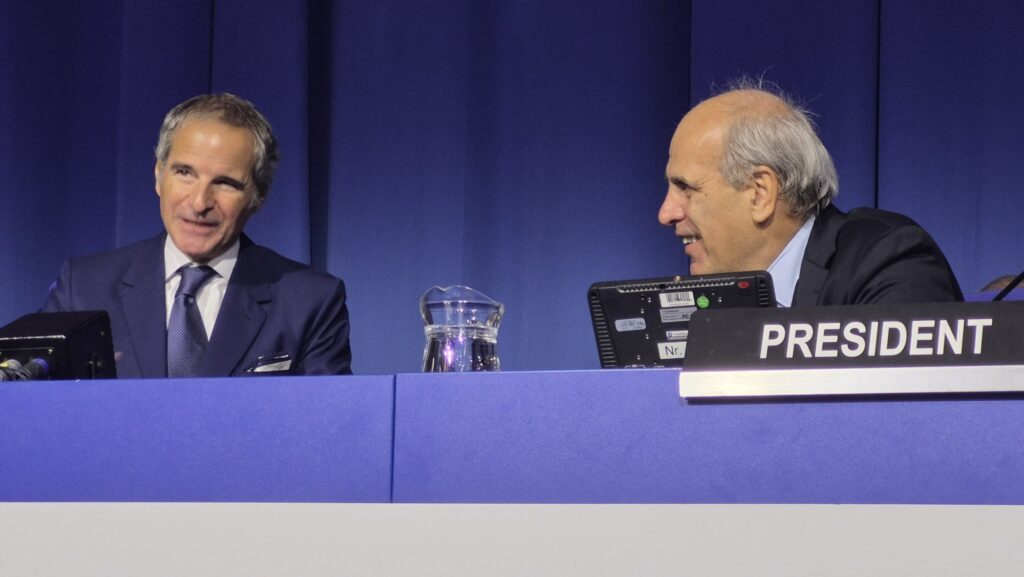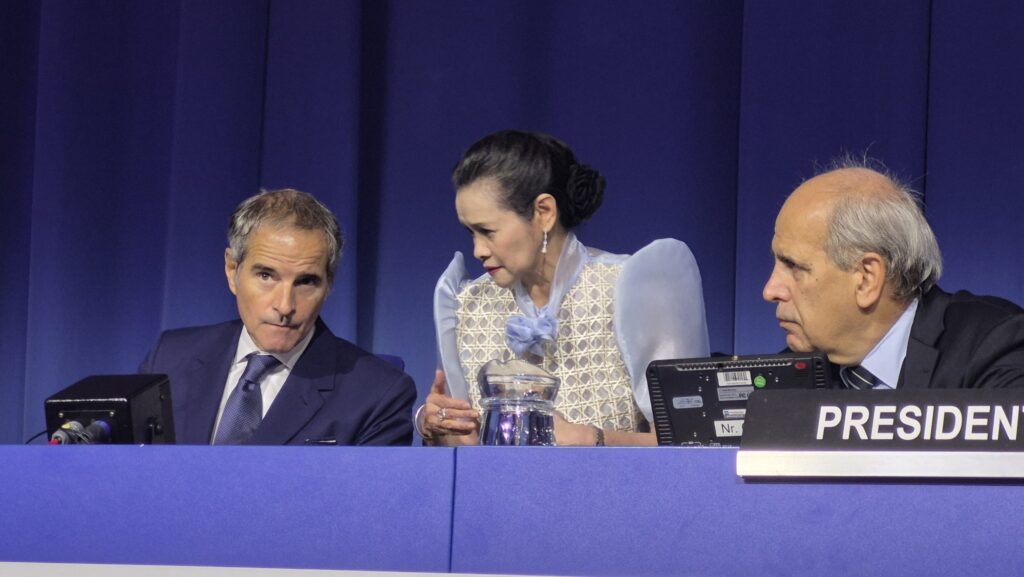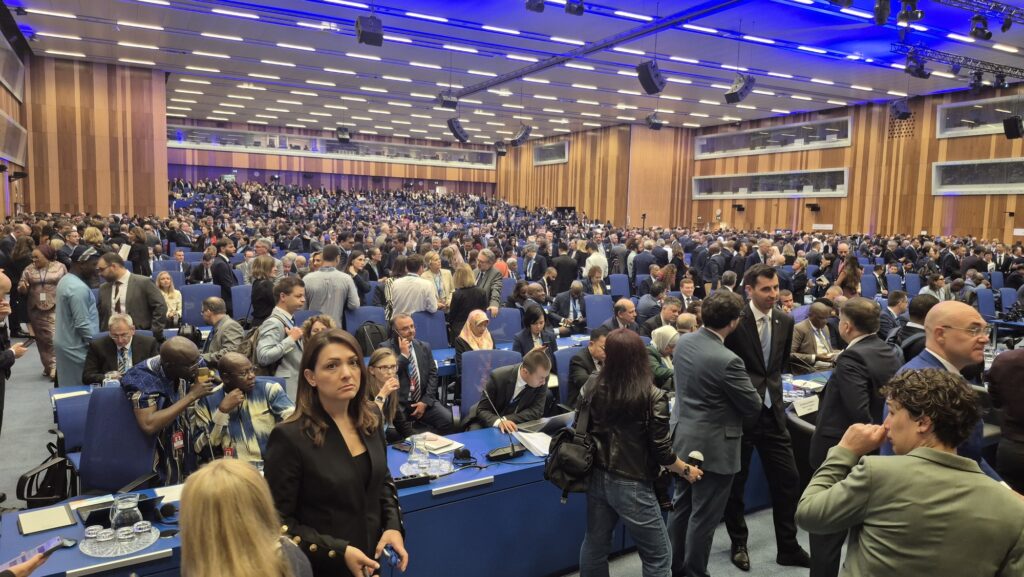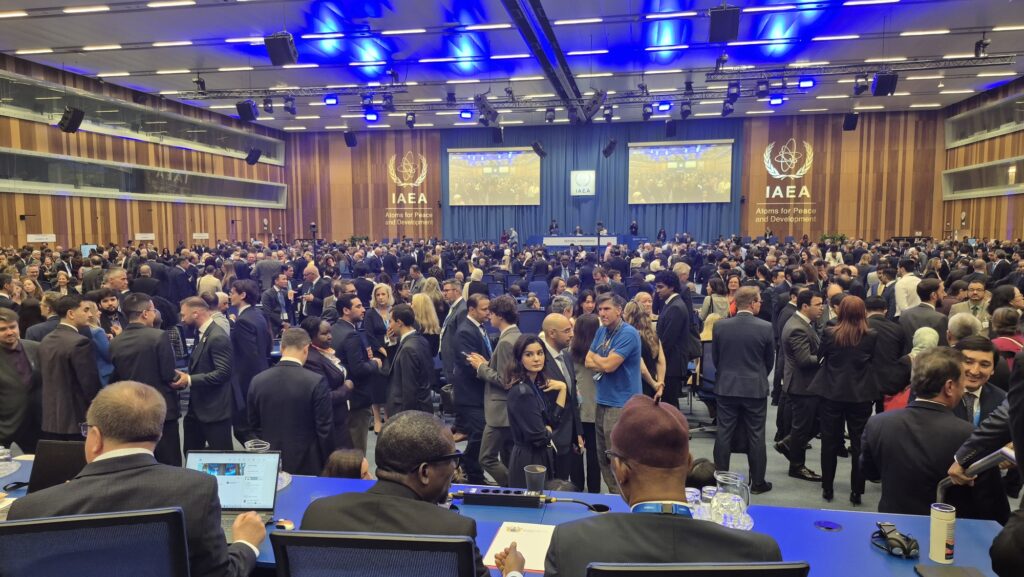


Opening Remarks and A Warm Welcome
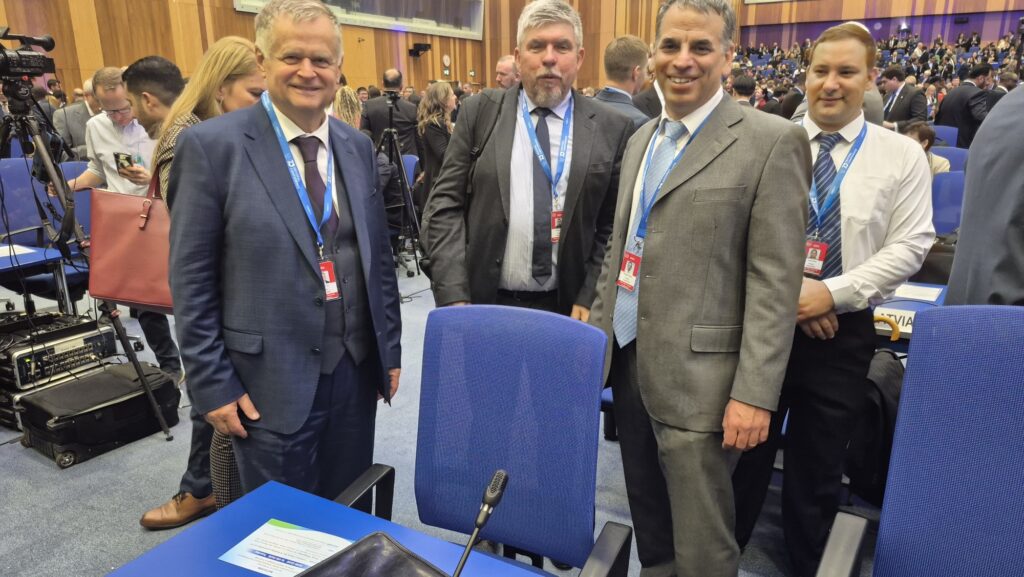
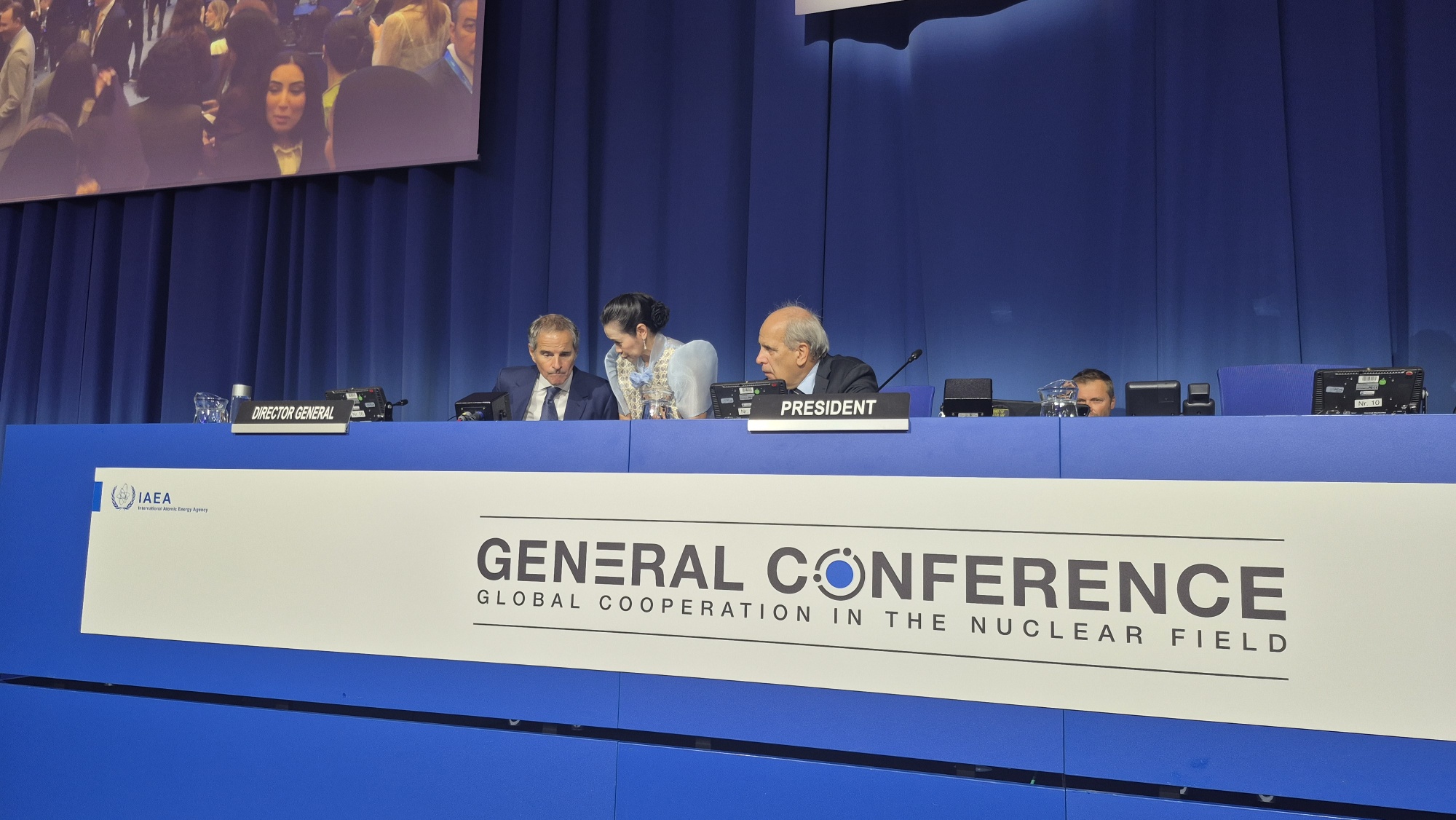
Distinguished delegates, esteemed colleagues, and honored guests, it is with great pleasure that we gather here today for the International Atomic Energy Agency’s (IAEA) general conference. This crucial event serves as a platform for dialogue and collaboration, particularly in a world that increasingly recognizes the complexities surrounding nuclear technology and its implications for global peace and security.
The IAEA stands as a pivotal entity in the realm of nuclear safeguards, tasked with the essential responsibility of ensuring that nuclear materials are used exclusively for peaceful purposes. As we convene, we not only reflect on the successes of the past but also take decisive steps towards a safer future. The challenges we face in the domain of nuclear proliferation require a collective effort, and the IAEA plays a critical role in fostering international cooperation.
In this spirit, I extend a warm welcome to each participant present today. Your engagement and contributions are invaluable as we navigate the intricate landscape of nuclear governance. Together, we must reaffirm our commitment to the principles that underpin the non-proliferation treaty and work tirelessly to strengthen mechanisms that promote accountability and transparency. The discussions and resolutions that emerge from this conference will undoubtedly shape the framework of nuclear oversight for years to come.
The importance of the IAEA’s work cannot be overstated. As guardians of nuclear safeguards, we are entrusted with a responsibility that extends far beyond the confines of our individual nations. Our collective dedication to enhancing global security is what will pave the way for a peaceful coexistence and a safer world. Let us embrace the opportunities this conference presents, engage in constructive dialogue, and reaffirm our commitment to our shared goals.
The Role of the IAEA in Nuclear Security and Development
The International Atomic Energy Agency (IAEA) is pivotal in the realms of nuclear security and development, acting as a key facilitator in the peaceful application of nuclear technology. One of the agency’s primary responsibilities is to ensure that nuclear energy is harnessed safely and securely. Through various initiatives, the IAEA promotes the beneficial uses of nuclear science, contributing to goals in health, agriculture, and energy.
In the field of electrification, the IAEA supports member states by providing nuclear technology solutions that help in addressing energy shortages and enhancing electricity generation. Countries can leverage nuclear power as a stable source of electricity, which is essential for socioeconomic development. The IAEA’s guidance ensures that nuclear plants are designed and operated to meet international safety standards, thereby fostering global confidence in nuclear energy usage.
In the health sector, the agency plays a significant role in advancing medical technologies through the adoption of nuclear techniques. Applications such as radiation therapy and nuclear medicine are integral for diagnosing and treating diseases, particularly cancer. The IAEA’s technical cooperation projects enhance healthcare systems by integrating these technologies into national health policies, ultimately improving health outcomes and extending life expectancy in numerous regions.
Agricultural development is another area where the IAEA’s contributions are noteworthy. The use of nuclear techniques in agriculture enhances food security by improving crop yields and pest control measures. The agency promotes the adoption of isotopic techniques, which assist in the sustainable management of resources and better use of fertilizers. This integration aids farmers in increasing productivity while ensuring environmental sustainability.
Overall, the IAEA’s multifaceted responsibilities extend far beyond nuclear safety and security. The agency significantly impacts global development through its focus on peaceful applications of nuclear technology. Each of these contributions not only strengthens nuclear oversight but also promotes sustainable practices that benefit society at large. This commitment to peaceful nuclear applications underscores the IAEA’s vital role in fostering international collaboration towards a secure and prosperous future.
Challenges and Concerns in Nuclear Proliferation
Nuclear proliferation has emerged as one of the most pressing challenges for global security in recent years. The spread of nuclear weapons and the associated technologies pose significant threats not only to regional stability but also to international peace and security. Recent trends indicate an alarming escalation in the number of states pursuing nuclear capabilities, as well as non-state actors seeking access to nuclear materials. These developments raise urgent concerns within the international community about the enforcement of nuclear non-proliferation agreements.
One prominent issue is the increasing number of attacks directed at nuclear facilities. As various geopolitical tensions rise, nuclear installations are becoming potential targets for both state and non-state actors, raising fears of catastrophic consequences should a successful attack occur. Such incidents underscore the vulnerabilities inherent in the existing safeguards meant to protect these strategic sites. The security of nuclear assets has become critical, as the threat landscape becomes ever more complex.
Furthermore, a marked weakening of existing safeguards has been observed. This deterioration can be attributed to a multitude of factors, including state disengagement from international treaties and agreements that once provided a framework for nuclear oversight. As nations prioritize their immediate security concerns, the collective commitment to adhering to established regulations diminishes. This trend not only undermines the efficacy of global governance mechanisms established to mitigate the threat of nuclear proliferation but also erodes trust among nations, making diplomatic resolutions increasingly difficult.
In light of these challenges, the need for international cooperation has never been more urgent. An effective response to the complexities of nuclear proliferation requires a reinvigoration of multilateral dialogue and adherence to existing frameworks. Strengthening collaboration among nations involved in nuclear non-proliferation is essential to address the potentially devastating implications of an unchecked nuclear arms race.
Call to Action for Member States
As the global landscape continues to evolve, the imperative for member states to enhance their cooperation with the International Atomic Energy Agency (IAEA) cannot be overstated. The IAEA plays a critical role in monitoring and verifying nuclear programs, ensuring that they align with international safety standards and non-proliferation objectives. In particular, heightened vigilance in verification processes is necessary in regions where tensions remain high, such as Iran and Ukraine. These areas pose significant risks that could threaten global security and stability.
Member states must commit to transparent communication and collaboration with the IAEA, recognizing its authority and expertise in nuclear oversight. This collaboration is essential not only for maintaining regional security but also for fostering an environment of trust among nations. To achieve effective non-proliferation efforts, countries need to support the continued monitoring and verification activities that the IAEA conducts. A collective approach in securing nuclear facilities and ensuring compliance with international treaties will bolster efforts against nuclear proliferation.
Moreover, sustained funding for technical cooperation is crucial, particularly to bolster the capabilities of developing nations. Such initiatives not only aid in the safe use of nuclear technology for peaceful purposes but also strengthen global commitments to non-proliferation. By assisting these countries in building robust frameworks for nuclear governance, member states contribute to a more secure world.
In conclusion, a united front among member states, enhanced by their cooperation with the IAEA, can significantly improve global security. The commitment to vigilant oversight of nuclear programs, especially in sensitive regions, coupled with adequate funding and support for developing countries, is essential. Let us collectively work towards reinforcing the framework of nuclear oversight, ensuring that nuclear technology serves peace rather than conflict.