
Strategic Framework Overview
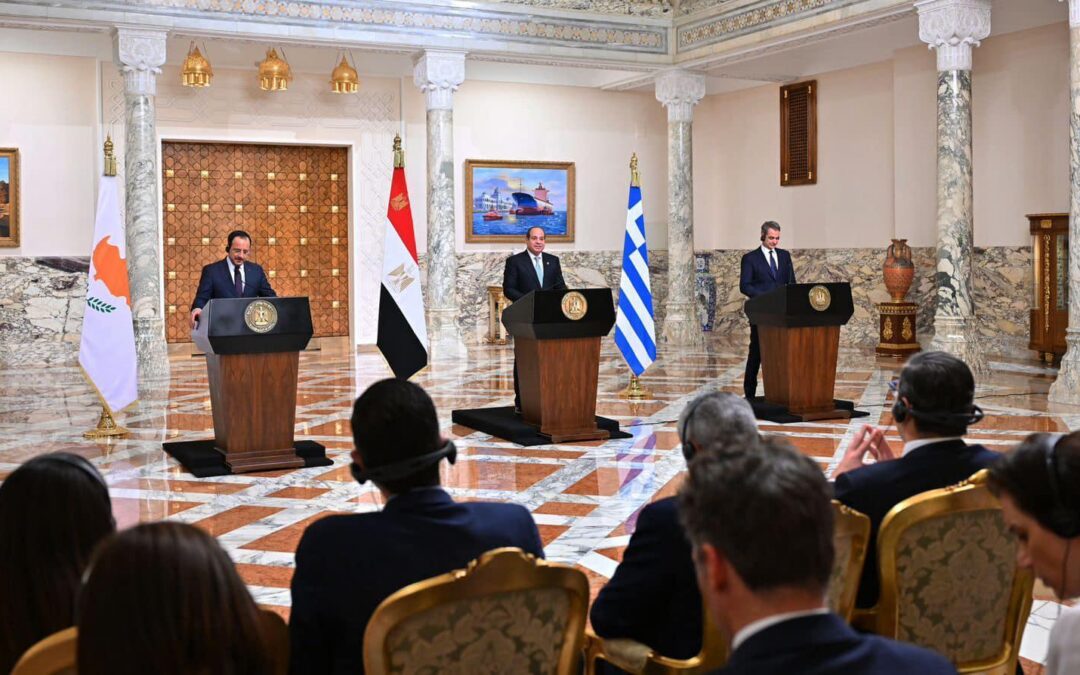
The trilateral summit held in El Alamein, attended by representatives from Cyprus, Greece, and Egypt, marked an important step in fostering collaborative efforts in the Eastern Mediterranean. This meeting aimed to establish a comprehensive strategic framework focusing on a range of key issues, including energy, security, trade, and migration. Each participating nation brought forth its unique perspectives and priorities, leading to extensive discussions on how to enhance their cooperation for mutual benefit.
One of the primary strategic goals identified during the summit was the development of energy resources in the Eastern Mediterranean. The region is rich in hydrocarbons, and the three nations recognize the potential of these resources to bolster their economies and enhance energy security. By working together, Cyprus, Greece, and Egypt aspire to create a more integrated energy market, promoting not only trade in energy but also ensuring the stability of supply routes. This cooperation addresses not only regional needs but positions the trio as key players in the larger global energy landscape.
In addition to energy matters, the summit also emphasized the importance of security cooperation. The Eastern Mediterranean is facing various geopolitical tensions that have the potential to impact the stability of the region. By uniting their efforts, Cyprus, Greece, and Egypt aim to enhance regional security, counter illicit activities, and promote peace. They discussed the need for a united stance on issues like migration, which has been a significant challenge in the area, necessitating a coordinated regional approach to effectively address the crisis.
In conclusion, the summit in El Alamein served as a platform for Cyprus, Greece, and Egypt to explore and establish a strategic framework aimed at enhancing their trilateral relations. Through collective efforts in energy, security, trade, and migration, these nations are seeking to address regional stability comprehensively, paving the way for future collaborations while asserting their significant roles in regional affairs.
Advancements in Energy Cooperation
The Eastern Mediterranean region has witnessed significant developments in energy cooperation among neighboring countries, with a focus on enhancing energy security through collaborative initiatives. One of the most notable projects in this regard is the GREGY initiative, which aims to establish a robust electricity interconnection between Greece, Cyprus, and Israel. By creating a direct link, the GREGY initiative not only facilitates the exchange of electricity but also promotes a more integrated energy market within the region. This interconnection is expected to provide a reliable supply of electricity, reduce dependency on fossil fuels, and assist in the transition towards greener energy sources.
Moreover, the ongoing exploration and development of natural gas resources in the Eastern Mediterranean have further solidified energy relations among these nations. Cyprus has embarked on substantial investments in the Kronos gas field, which is poised to become a key player in the regional energy landscape. This investment not only underscores Cyprus’ commitment to becoming an energy hub but also enhances its role in exporting natural gas through established channels, particularly involving Egypt. The export facilities in Egypt serve as a crucial link for transporting gas supplies to European markets, aligning with the increasing demand for energy diversification in the continent.
As the geopolitical significance of energy resources in the Eastern Mediterranean continues to rise, the agreements surrounding these advancements also bring about implications for regional stability. Strengthening energy ties can foster collaboration on security matters, as these shared interests often bolster diplomatic relations. The potential for increased energy cooperation can pave the way for a more stable and secure Eastern Mediterranean, emphasizing the importance of collective action in addressing energy challenges.
Commitment to Regional Security and Humanitarian Efforts
The recent discussions among the leaders of the trilateral partnership have resulted in a reaffirmation of their commitment to a two-state solution regarding the Palestinian territories. This significant diplomatic effort is aimed at addressing the ongoing conflict in the region and has surfaced as a pivotal theme in their collective agenda. The leaders emphasized the necessity of establishing a viable and independent Palestinian state that coexists peacefully alongside Israel, which is crucial for long-term stability in the Eastern Mediterranean.
A key component of this dialogue has been the urgent need for humanitarian initiatives focused on alleviating the suffering of those affected by the conflict, particularly in Gaza. The leaders recognized the dire conditions faced by civilians and stressed the importance of facilitating safe and unimpeded access to aid. Ensuring that humanitarian assistance reaches those in urgent need is vital in mitigating the impacts of the crisis and promoting recovery in the region.
Furthermore, the discussion included shared concerns about the escalating humanitarian crisis, which has become a topic of increasing urgency. The leaders exchanged views on potential collaborative measures that can enhance the effectiveness of aid distribution and improve the living conditions for the affected population. Their commitment underscores a broader recognition that humanitarian efforts are not only a moral obligation but also integral to achieving lasting peace.
By reinforcing their support for humanitarian initiatives and the commitment to a two-state solution, the leaders are laying the groundwork for a more secure and stable regional environment. These efforts, if continuously prioritized, could foster greater cooperation and contribute significantly to the resolution of ongoing tensions in the Eastern Mediterranean.
Future Collaborations and Institutional Strengthening
The trilateral cooperation framework between Cyprus, Greece, and Egypt has taken significant strides towards institutionalization, aiming to create a sustained dialogue for addressing mutual challenges in the Eastern Mediterranean. Upcoming meetings involving defense and foreign ministers are pivotal as they lay the groundwork for enhanced cooperation on various fronts including energy security, regional stability, and counter-terrorism. These meetings serve not only as a platform for discussion but also as a means to solidify commitments to collective action.
A key aspect of this framework is the intention to establish a permanent secretariat in Nicosia, which would play a crucial role in coordinating efforts among the three nations. This secretariat is expected to facilitate ongoing dialogue and ensure that initiatives are pursued effectively, enhancing the collaborative capabilities of the involved countries. The establishment of such an institution represents a significant step towards deeper integration and shared governance in matters relating to regional energy and security.
Moreover, Cyprus, Greece, and Egypt have established shared principles which underscore the importance of regional stability. These principles aim to promote peace, respect for sovereignty, and the necessity of adherence to international law. The next summit is set to focus on practical initiatives that advance these objectives, including energy exploration and exploitation strategies that align with their shared vision for sustainable energy development. Initiatives stemming from this summit are anticipated to bolster energy security in the Eastern Mediterranean and mitigate regional tensions.
As these nations continue to navigate their trilateral relations, the emphasis on institutional strengthening and cooperative frameworks will be pivotal for addressing both current challenges and future opportunities in the region. The solidification of this cooperation is essential for enhancing security and promoting stability within the Eastern Mediterranean, where geopolitical interests are closely intertwined.


