



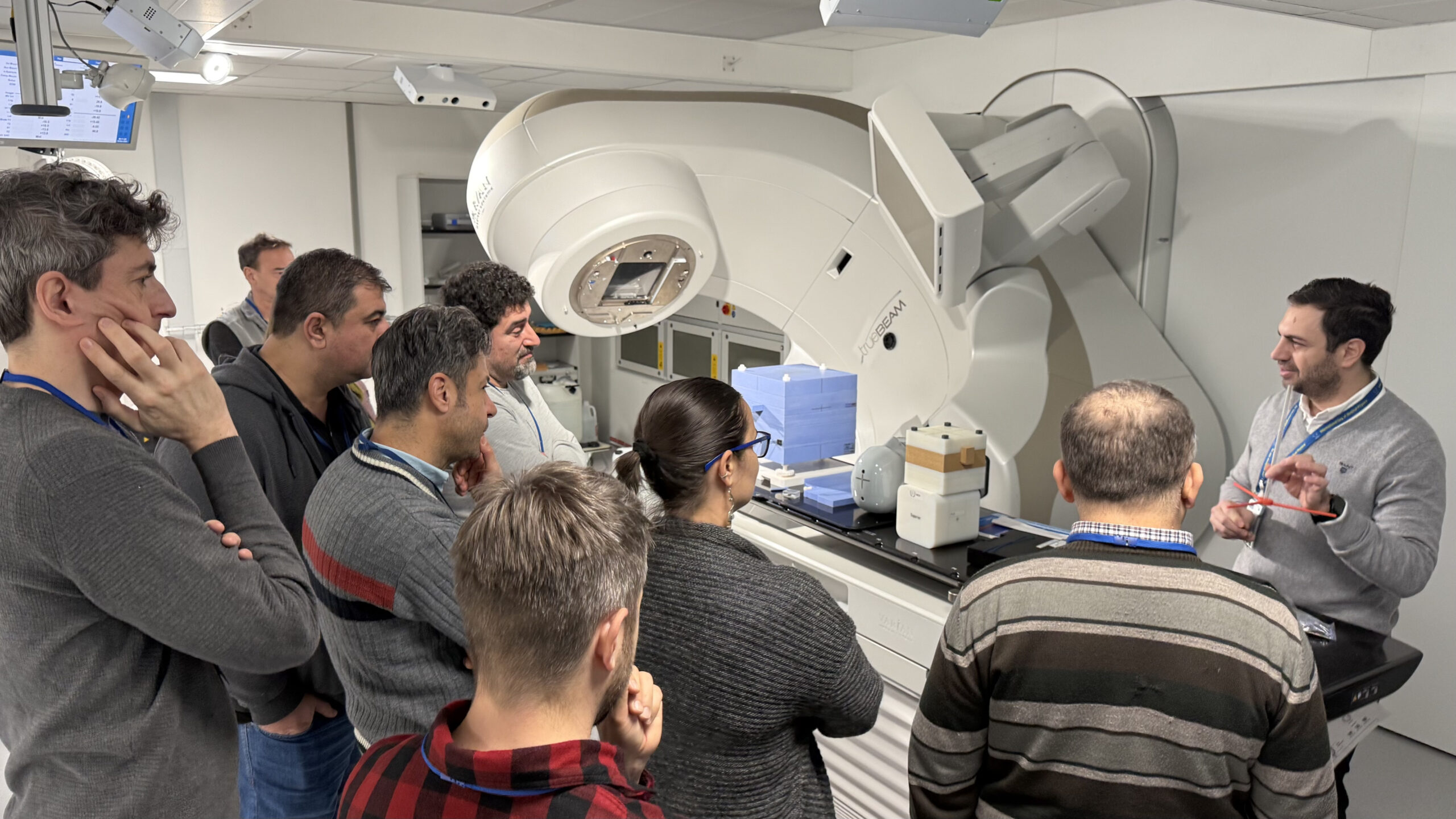
Expanding Access to Radiotherapy Services
The International Atomic Energy Agency (IAEA) plays a pivotal role in enhancing global health, particularly through its efforts to expand access to radiotherapy services in low- and middle-income countries (LMICs). One notable initiative is the Rays of Hope program, which aims to address the significant disparities in cancer treatment availability. Cancer remains a leading cause of morbidity and mortality worldwide, and access to effective treatment modalities, including radiotherapy, is often lacking in many regions.
The Rays of Hope initiative underscores the IAEA’s commitment to tackling these inequalities. It has been instrumental in mobilizing financial resources to support the establishment of radiotherapy services in LMICs. By allocating funds for the procurement of essential medical equipment, the IAEA ensures that these facilities have the necessary technology to provide not only basic radiotherapy but also advanced treatment options tailored to the needs of patients.
Furthermore, the initiative emphasizes the establishment of anchor centers, which serve as key hubs for radiotherapy services within countries. These centers are designed to set standards, share best practices, and provide comprehensive treatment plans. They create a network of collaboration, enabling other healthcare facilities to learn from these model centers. The IAEA also prioritizes the professional training of healthcare providers. Offering specialized training enhances the skillsets of oncologists, radiographers, and medical physicists. This capacity-building effort ensures that local practitioners are equipped with the knowledge required to operate sophisticated equipment efficiently and to deliver safe, effective treatment plans to cancer patients.
Through the Rays of Hope initiative, the IAEA is not only expanding access to radiotherapy services but also fostering sustainable healthcare solutions that can significantly improve cancer treatment outcomes in lower-resource settings worldwide.
Strengthening Nuclear Medicine for Diagnostic and Treatment Advances
Nuclear medicine plays an increasingly vital role in the diagnosis and treatment of various illnesses, notably cancer and cardiovascular diseases, by utilizing radiopharmaceuticals to enhance imaging and therapeutic options. The International Atomic Energy Agency (IAEA) is pivotal in promoting the development of nuclear medicine and radiology departments across member states, ensuring access to advanced healthcare technologies that contribute to improved patient outcomes.
Through comprehensive training programs and technical cooperation, the IAEA equips healthcare professionals with the necessary skills to utilize nuclear medicine effectively. This includes understanding the principles of radiation protection, patient care, and the interpretation of nuclear imaging results. By fostering a network of expertise and resources, the IAEA assists countries in establishing and strengthening their nuclear medicine capabilities, thereby enabling early diagnosis and informed treatment decisions.
One of the notable advancements facilitated by the IAEA is the development and optimization of radiopharmaceuticals, which are radioactive compounds used in both diagnostics and therapy. These innovative treatments allow for targeted approaches, minimizing side effects and maximizing therapeutic efficacy. For instance, the use of targeted radiotherapy has revolutionized cancer treatment, providing patients with new hope and improving their quality of life.
The establishment of nuclear medicine departments not only supports clinical practice but also enhances research and innovation in the field. Collaborative efforts between the IAEA and local health authorities promote the exchange of knowledge, enabling countries to tailor nuclear medicine applications to their specific health challenges.
In conclusion, the IAEA’s commitment to strengthening nuclear medicine in various regions contributes significantly to the early detection of serious health conditions and improves treatment options, ultimately enhancing global health through the application of nuclear science.
Improving Precision through Dosimetry and Quality Assurance
The International Atomic Energy Agency (IAEA) plays a crucial role in enhancing patient safety through the development of precise dosimetry techniques and rigorous quality assurance processes. At the heart of its operations is the IAEA’s dosimetry laboratory, which focuses on ensuring accurate dose measurement in the medical sector. This accuracy is vital, as even minor discrepancies in radiation dosage can significantly impact treatment efficacy and patient safety. The IAEA collaborates with member states to promote high standards in dosimetry, ensuring that medical facilities worldwide adhere to best practices.
The calibration process is integral to the IAEA’s dosimetry efforts, involving the meticulous examination and adjustment of radiation measuring equipment to guarantee that it delivers accurate readings. This process includes using state-of-the-art equipment and methodologies to establish traceability to international standards. Through regular audits and check-ups, medical institutions can be confident that their dosimetric devices perform correctly and provide reliable data necessary for radiological procedures. This underscores the IAEA’s commitment to uphold patient safety in radiation therapy and diagnostic imaging.
Additionally, the IAEA emphasizes comprehensive training and guidance for medical professionals involved in radiological practices. This training equips them with the essential skills and knowledge required for effective radiation delivery. The IAEA provides a range of resources, including workshops, seminars, and informational materials that address the latest advancements in dosimetry and quality assurance protocols. By fostering a culture of safety and education within the healthcare community, the IAEA aims to enhance the overall quality of care for patients undergoing radiation treatments.
Supporting Zoonotic Disease Detection and Nutritional Health
The International Atomic Energy Agency (IAEA) plays a pivotal role in public health by utilizing nuclear science to tackle pressing health issues, particularly zoonotic diseases and nutritional health. One of the most significant initiatives in this regard is the Zoonotic Disease Integrated Action (ZODIAC) initiative. ZODIAC focuses on enhancing the detection and management of zoonotic diseases, which are diseases that can be transmitted from animals to humans. By integrating nuclear and related techniques, the initiative equips countries with advanced tools and methodologies to address outbreaks and control the spread of infections that can arise from zoonotic pathogens.
Nuclear-derived technologies such as molecular diagnostics and isotopic tracing provide crucial insights into the transmission dynamics of zoonotic diseases. These techniques enable health authorities to monitor wildlife and domestic animal populations, identify potential disease carriers, and implement timely interventions. The systematic use of nuclear science enhances epidemiological surveillance, paving the way for effective response strategies in the face of zoonotic threats, thereby safeguarding public health on a global scale.
Furthermore, the IAEA is also committed to improving nutritional health through nuclear techniques. For instance, stable isotope techniques have been successfully employed to assess dietary intake and nutrition status in various populations. These techniques help identify micronutrient deficiencies and inform policymakers and healthcare providers about the nutritional needs of different demographics. Consequently, by incorporating nuclear science in nutrition studies, frameworks can be established, leading to targeted interventions and improved public health outcomes.
In conclusion, the combination of the IAEA’s ZODIAC initiative focusing on zoonotic disease prevention, and the application of nuclear techniques in nutritional health, highlights the agency’s commitment to enhancing global health. These efforts underscore the importance of nuclear science in addressing contemporary health challenges, reinforcing the connection between science and everyday health outcomes across nations.