


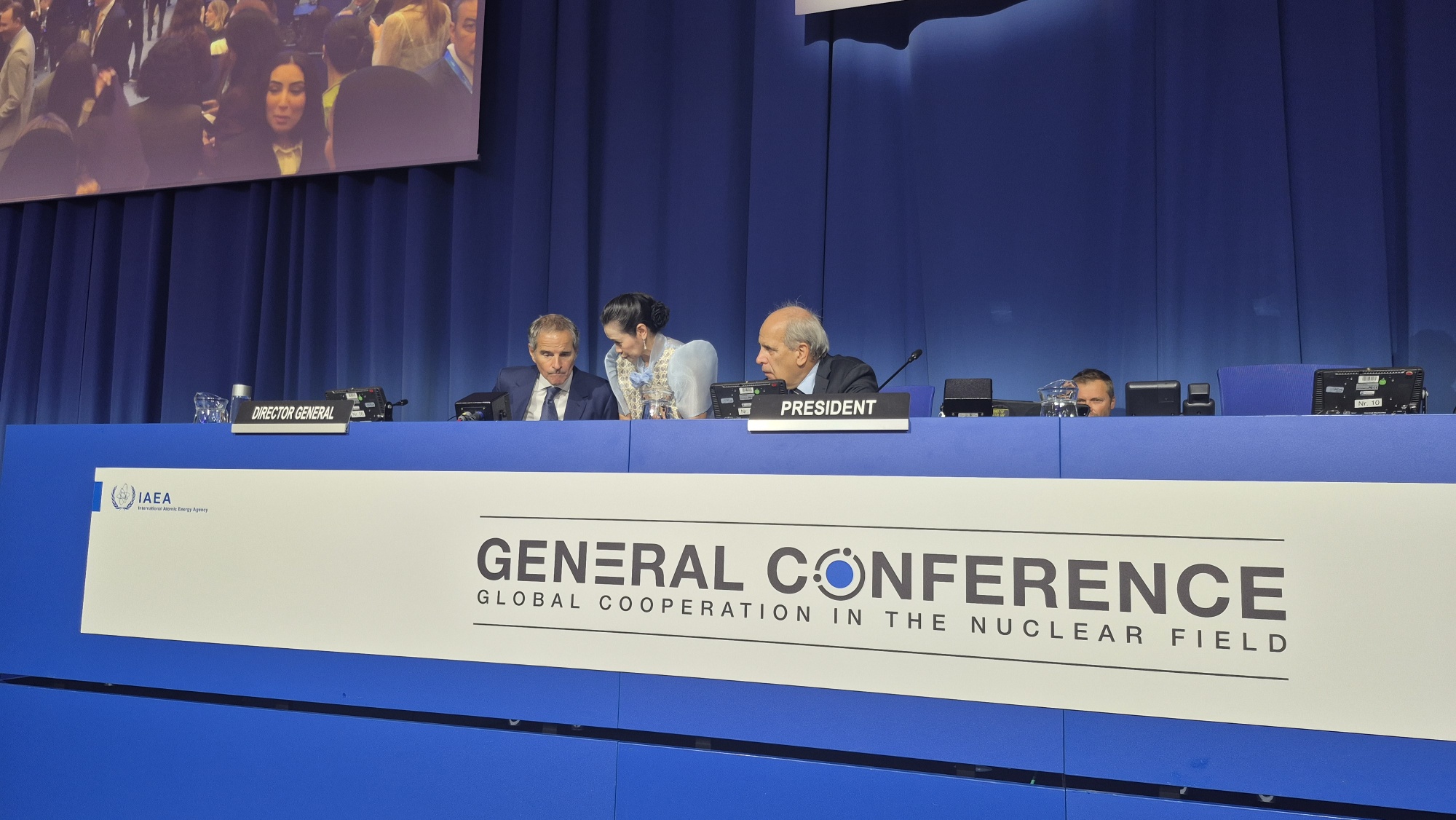
Introduction to the IAEA’s Mandate
The International Atomic Energy Agency (IAEA) is a pivotal organization that plays a crucial role in the realm of nuclear safety and security. Established in 1957, the IAEA’s mandate encompasses a wide range of functions aimed at promoting the peaceful use of nuclear energy while ensuring that nuclear technology is not misused for military purposes. This balance is essential for fostering international cooperation and maintaining global security in an era where nuclear advancements are increasingly prevalent.
One of the primary responsibilities of the IAEA is to provide a framework for the safe and secure use of nuclear materials. This includes overseeing the development and implementation of safety standards and guidelines applicable to nuclear facilities, which are vital in preventing accidents and mitigating the consequences of any potential incidents. The agency also carries out inspections and monitoring activities to ensure compliance with safeguards agreements among member states, thereby reinforcing global trust in the peaceful application of nuclear technology.
In addition to its safety functions, the IAEA plays a significant role in facilitating international dialogue and collaboration on nuclear matters. By serving as a neutral platform, the agency promotes the exchange of knowledge and expertise among countries, helping to advance nuclear science and technology for beneficial purposes, such as medical applications and energy production. This collaborative spirit is essential in addressing the common challenges posed by nuclear proliferation and environmental sustainability.
Moreover, the IAEA is instrumental in providing technical assistance and support to member states, ensuring they have the necessary resources and skills to utilize nuclear technology safely and effectively. Through its various programs, the IAEA aids countries in developing regulatory frameworks, enhancing safety measures, and building capacity in nuclear science.
In summary, the IAEA’s comprehensive mandate positions it as a guardian of nuclear security and an advocate for the peaceful use of nuclear technology. This dual role is vital for promoting global governance and cooperation in a sector that impacts many aspects of human life, from health care to energy generation.
Global Context: Challenges in Nuclear Proliferation
Nuclear proliferation has become an increasingly critical issue on the international stage, given the escalation of geopolitical tensions, technological advancements, and the emergence of new threats that challenge existing paradigms of nuclear security. Over recent years, there have been numerous incidents that underscore the vulnerabilities inherent in nuclear facilities worldwide, raising alarms regarding their protection against potential attacks. Such incidents not only expose the physical vulnerabilities of these critical infrastructures but also highlight the pressing need for enhanced security measures and more robust international cooperation.
Recent attacks on nuclear facilities, driven by a variety of motives, have highlighted the complex interplay between national security and the global security landscape. These events reveal that nuclear sites can become targets for non-state actors, who seek to exploit the implications of nuclear materials for terror or destabilization. The risk of a terrorist group gaining access to nuclear materials remains a significant concern, prompting discussions among world leaders about the need for collective responses to combat these challenges.
Moreover, the implications of such threats extend beyond immediate security concerns. They raise profound questions about the integrity of nuclear governance and the enforcement of non-proliferation treaties. As the landscape of nuclear proliferation evolves, the role of international governing bodies, such as the International Atomic Energy Agency (IAEA), becomes even more vital. These organizations are tasked with enforcing compliance with global nuclear norms, facilitating dialogue among nations, and ensuring that advancements in nuclear technology are met with appropriate levels of vigilance and accountability.
As states navigate this complex environment, the balance between the peaceful use of nuclear energy and the potential for its misuse remains a central theme in discussions surrounding nuclear security. Addressing these challenges requires a concerted effort from the international community to strengthen frameworks that govern nuclear activities, making them more resilient against threats that could undermine global peace and security.
The Importance of Member States’ Cooperation
The International Atomic Energy Agency (IAEA) plays a central role in promoting nuclear security and preventing nuclear proliferation worldwide. However, the effectiveness of the IAEA’s mission significantly relies on the cooperation and collaboration of its member states. This partnership is essential to ensure robust verification processes and to uphold the obligations set forth under international law, aimed at mitigating the risks associated with nuclear materials and technology.
Member states must engage actively with the IAEA to support its work in numerous ways. Firstly, member countries can share data and intelligence regarding nuclear activities, contributing to a more comprehensive understanding of global nuclear dynamics. By reporting information accurately and transparently, they help the IAEA conduct timely assessments and develop informed strategies to address any emerging threats related to nuclear security.
Moreover, countries can enhance verification processes through regular inspections and audits, working collaboratively with the IAEA to ensure strict adherence to safety protocols and non-proliferation agreements. This collaborative atmosphere fosters trust among nations and serves as a deterrent against unauthorized nuclear activities. Education and technical assistance programs can also be instrumental in promoting best practices in nuclear safety and security, enabling member states to elevate their standards while assisting those with fewer resources.
Furthermore, unity among member states is essential, especially in the face of global threats, such as terrorism or geopolitical tensions. A collective commitment to the IAEA’s goals reinforces the organization’s capacity to respond effectively to challenges and fosters a culture of accountability. Each nation’s participation is not only a contribution to the IAEA’s efforts but also a testament to their commitment to global security.
In conclusion, the effectiveness of the IAEA in ensuring nuclear security is contingent upon the robust cooperation of member states. Active participation, data sharing, and commitment to international obligations are paramount in preventing nuclear disasters and fostering a secure nuclear landscape worldwide.
Looking Ahead: Future Directions for Nuclear Technology
The future of nuclear technology is poised at a critical juncture, where expectations for enhanced power generation must be tempered with the imperative for safety and security. As the global demand for energy continues to rise, nuclear power is anticipated to play an increasingly significant role in the energy mix. However, this advancement comes with challenges that necessitate careful management and a forward-thinking approach.
Recent advancements in nuclear technology, such as small modular reactors (SMRs) and innovative reactor designs, promise to increase efficiency and reduce the risks associated with larger traditional plants. These new technologies are designed to be more flexible, allowing for deployment in a variety of settings, including remote areas where grid connection may be limited. The development of these systems represents a significant shift in how nuclear power can be integrated into national energy strategies, particularly as nations strive to meet their climate goals.
Moreover, as the industry evolves, the necessity for stringent safety measures remains paramount. The International Atomic Energy Agency (IAEA) will continue to play a vital role in establishing and updating safety standards that ensure the secure operation of nuclear facilities worldwide. The agency’s expertise is essential for guiding member states in implementing robust regulatory frameworks, alongside fostering international cooperation to share best practices and lessons learned from past incidents.
The path forward will also involve a concerted effort to address public perception and the societal implications of nuclear energy. Engaging communities and transparency in nuclear operations can help build trust and acceptance. Additionally, as the IAEA bolsters its commitment to safeguarding technologies against proliferation risks, it will help maintain the global balance between technological advancement and nuclear non-proliferation.
In conclusion, the future directions for nuclear technology hinge on balancing innovation with safety and public engagement. The IAEA’s leadership in these critical areas will be essential in ensuring that the benefits of nuclear power can be realized while safeguarding against potential dangers, thus paving the way for a sustainable and secure energy future.


