























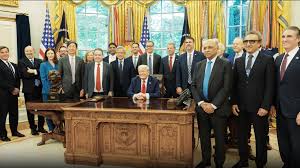
Introduction: The New Influencers at Inauguration
The significance of Donald Trump’s second inauguration extends far beyond the political realm; it marks a pivotal moment where technology and politics intertwine more profoundly than ever before. At this historic event, a remarkable presence of influential figures from the tech industry highlighted the shifting power dynamics within American politics. These tech titans, synonymous with innovation and economic prowess, represent a departure from traditional political figures, underscoring a new era in which technology shapes national and global affairs.
As America navigates the complexities of the 21st century, the intersection of technology and governance becomes increasingly pronounced. The appearance of these prominent individuals at the inauguration illustrates their emerging roles not just as business leaders but as essential players in policymaking and public discourse. Figures such as CEOs from major tech firms, influential entrepreneurs, and leading innovators are establishing themselves as pivotal influencers in the political landscape. Their insights and expertise are seen as vital to addressing the pressing challenges of our time, from cybersecurity threats to economic inequality.
This evolution in leadership underlines how traditional modes of influence are being supplemented—if not replaced—by individuals who command significant trust and authority within the tech domain. As they engage with government officials and policymakers, they facilitate a dialogue that integrates technological advancements with legislative processes, steering the country toward a future that balances innovation with ethical considerations. The presence of these figures at Trump’s inauguration serves not only as a testament to their power but also as a signal of the integral role they are set to play in shaping America’s trajectory.
The Rise of Tech Entrepreneurs in Politics
The intersection of technology and politics has become increasingly pronounced, particularly with the rise of influential tech entrepreneurs such as Elon Musk, Jeff Bezos, and Mark Zuckerberg. These individuals have not only revolutionized their respective industries but have also emerged as pivotal figures in the political arena. Their journeys to wealth and prominence offer insight into the evolving landscape of power and influence.
Elon Musk, the CEO of Tesla and SpaceX, is renowned for his visionary approach to technology and innovation. His ambitions extend beyond the automotive and space industries to include significant contributions to renewable energy and artificial intelligence. Musk’s strategies for communicating with the public and policymakers provide a template for tech entrepreneurs who wish to advocate for their interests. His public discourse often blends technical expertise with an understanding of policy implications, enabling him to influence discussions on issues ranging from climate change to space exploration.
Similarly, Jeff Bezos, the founder of Amazon, has distinguished himself not only as a business magnate but as a political player. Through his ownership of The Washington Post and involvement in various philanthropic initiatives, Bezos has shaped conversations around technology, privacy, and labor rights. His unique insights into logistics and e-commerce have positioned him favorably to engage with lawmakers on legislation affecting the tech industry.
Mark Zuckerberg, the co-founder of Facebook, has faced intense scrutiny over the implications of social media on democracy and political engagement. His ability to navigate the complexities of technology policy reflects a broader trend of tech entrepreneurs entering the political discourse. As these individuals leverage their resources and knowledge, they increasingly play a critical role in advancing their interests in communications networks and military development.
The Global Implications of Tech Leader Influence
The influence wielded by America’s tech leaders is not confined to domestic borders; it reaches into the global arena, shaping the future of technology and innovation on a worldwide scale. In the context of a rapidly evolving technological landscape, these figures play a pivotal role in driving advancements in artificial intelligence (AI) and other critical sectors, positioning the United States in a competitive race, particularly against nations such as China. The strategic decisions made by tech giants can reverberate across continents, affecting millions of lives wherever advanced technology is adopted.
As stakeholders in the global marketplace, these industry leaders often engage in various initiatives and partnerships that promote technological advancement and innovation in communication technologies and security measures—a frontier critical for preserving national interests and facilitating international relations. Their research and development priorities dictate not only the pace of technological growth but also the ethical considerations that accompany these advancements. For instance, the implementation of AI in areas ranging from defense to consumer analytics is heavily influenced by principles set forth by these leaders, which may prioritize either competition or collaboration on a global scale.
Moreover, the decisions made by tech leaders regarding data privacy and cybersecurity have far-reaching consequences. Countries around the world look to U.S. tech companies for guidance, which can lead to standardization in regulatory practices. Such influence brings a dual responsibility: while it opens pathways for innovation, it also obligates tech leaders to consider the global implications of their technologies. As they pursue AI dominance, they not only shape the technological capabilities of nations but also impact the socio-economic fabric of societies worldwide. Ultimately, the strategies devised by these prominent figures will dictate the trajectory of technological advancements and the equitable distribution of their benefits globally.
Conclusion: A Look Ahead at Tech Power and Governance
The interplay between technology and government is anticipated to shape the future landscape of American society. As tech giants continue to innovate and expand their influence, the relationship with government authorities will inevitably evolve, bringing both opportunities and challenges. This relationship can advance public policy through technology-enhanced governance, promote economic growth, and facilitate the rapid dissemination of information. However, it also raises concerns regarding privacy, security, and the ethical use of technological power.
In the coming years, it will be crucial to seek a balance between fostering innovation and ensuring robust regulations that govern the use of technology. Striking this balance will be vital to uphold democratic values while reaping the benefits technology can offer. Enhanced collaboration between tech leaders and government officials can lead to solutions that meet public needs while preventing the monopolization of power within the tech industry. The importance of regulatory frameworks cannot be overstated, as they will serve to guide the actions of tech companies while protecting consumer interests and societal well-being.
Proactive governance can also prevent potential pitfalls, such as the misuse of data, algorithm bias, and the erosion of civil liberties. Policymakers must stay attuned to technological advancements and their implications, engaging with a broad spectrum of stakeholders, including technologists, ethicists, and activists. As technology continues to influence governance, questions arise: How can technology serve the common good? What ethical considerations must govern tech deployment? These inquiries will define the dialogue between innovation and regulation.
Ultimately, the trajectory of this relationship will significantly impact America’s democratic framework, economic vitality, and trust in institutions. It is essential for both tech leaders and government officials to engage in thoughtful discussions as they navigate the complexities of this evolving landscape.