
















Significance of the Tivat 2026 Summit
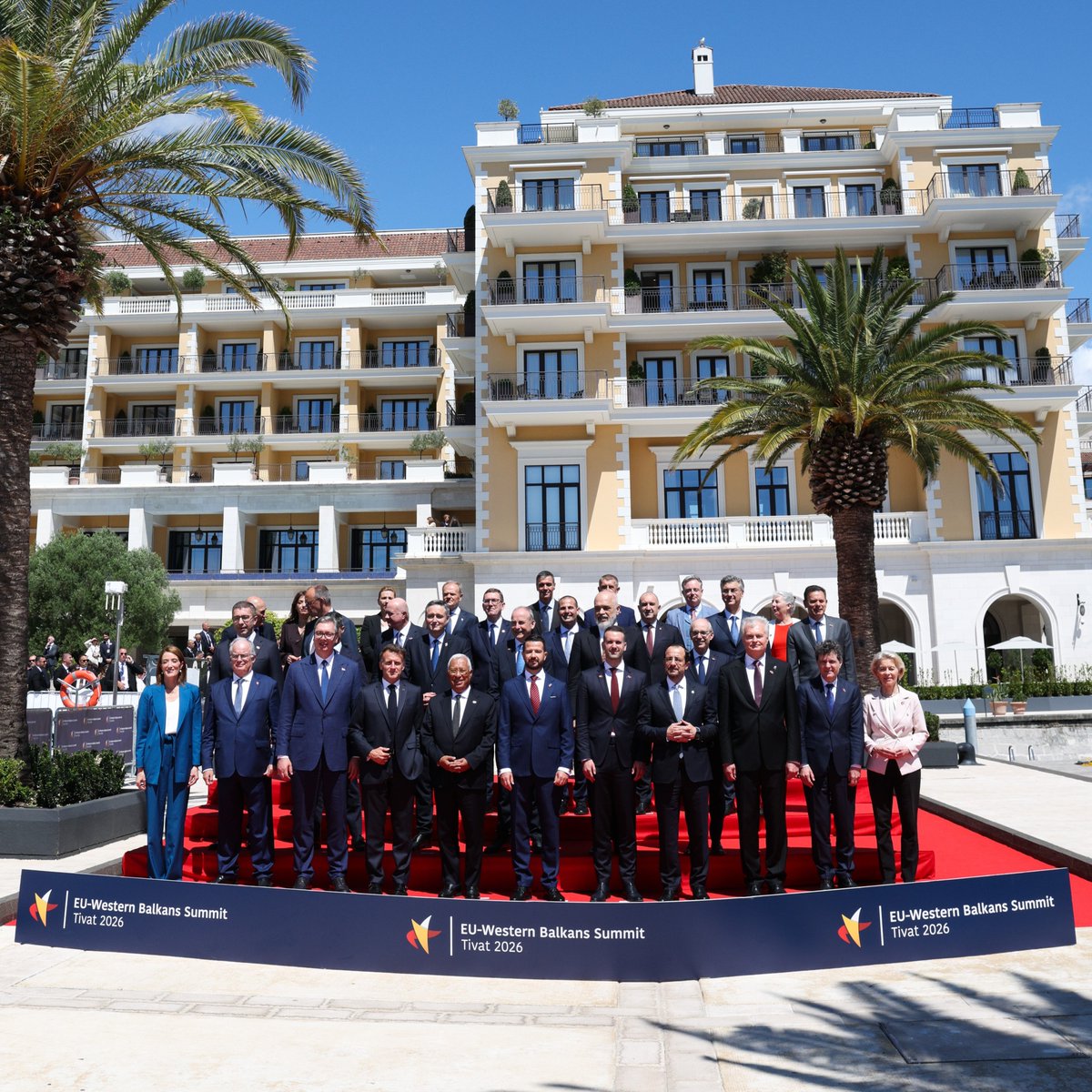
The Tivat 2026 Summit, held on June 5, 2026, in Montenegro, marked a crucial turning point in the diplomatic relations between the European Union (EU) and the Western Balkans. This summit not only highlighted the EU’s renewed engagement in the region but also underscored the strategic significance of the Western Balkans in the broader European geopolitical landscape. The gathering brought together key leaders and officials from EU member states and Western Balkan nations, reinforcing the collaborative approach the EU seeks in addressing regional challenges and promoting stability.
The summit served as a platform to discuss vital issues affecting the Western Balkans, including the rule of law, governance reforms, and the fight against organized crime. These topics are essential for the region’s path toward EU integration, and the Tivat Summit sent a clear message about the EU’s commitment to supporting these necessary reforms. By prioritizing these areas, the EU aims to foster an environment conducive to political stability, economic development, and societal progress within the Western Balkans.
Moreover, the Tivat 2026 Summit was significant in bolstering the EU’s influence in the region. As global geopolitical dynamics shift, the Western Balkans remain a focal point for numerous international stakeholders seeking to extend their influence. Thus, the summit not only reinforced the EU’s presence but also signified solidarity among member states regarding the importance of a united approach towards the Western Balkans. Through this diplomatic engagement, the EU demonstrated its dedication to forging closer ties and promoting sustainable development in the region, ensuring that the aspirations of the Western Balkan countries for integration and stability are recognized and supported.
Montenegro’s Central Role and the Outcomes of the Summit
Montenegro, as the host of the Tivat 2026 Summit, has solidified its crucial position in the ongoing dialogue surrounding EU-Western Balkans relations. The summit served as a pivotal platform for discussing integration strategies and fostering cooperation among member states and candidate countries. This gathering was emblematic of Montenegro’s aspirations to play a leading role in the EU integration process, a goal that is shared among many Western Balkan nations seeking closer ties with the European Union.
One of the key outcomes of the summit was the adoption of the motto “shared prosperity and stability of the EU and the Western Balkans.” This phrase encapsulates the collective commitment to mutual growth and the stability necessary for both the EU and the region. The discussions that took place under this banner were instrumental in setting a strategic direction for future collaboration, particularly in areas that have historically posed challenges for integration.
Among the notable initiatives that emerged from the summit was the integration of the Western Balkans into the ‘roam like at home’ regime. This initiative, which aims to eliminate roaming charges for mobile phone users traveling within the region, stands as a testament to the tangible benefits of cooperation. It is anticipated that such measures will not only enhance connectivity but will also foster greater economic integration among the nations of the Western Balkans and the EU.
The summit was also marked by significant visits from key European leaders, including French President Emmanuel Macron and German Chancellor Olaf Merz. Their presence underscored the renewed strategic approach adopted by the EU towards the Western Balkans, highlighting a commitment to bolster engagement with these nations at a critical juncture in their development. These interactions and the ensuing dialogue are indicative of a growing understanding in the EU of the importance of supporting the region’s integration efforts.
Challenges Ahead: Security and Reform Needs
The landscape of security and reform in the Western Balkans remains fraught with challenges that are integral to the region’s stability and its relationship with the European Union. Predominantly, transnational crime and corruption pose significant threats to good governance and the rule of law. These issues not only undermine public trust in institutions but also hinder economic development and political progress. The Tivat 2026 Summit highlighted the urgent need for comprehensive strategies to counter these endemic problems, emphasizing a collaborative focus on legal and institutional reforms.
Transnational crime, often facilitated by organized networks that operate across borders, has proliferated in the Western Balkans, resulting in challenges that demand urgent attention from both regional governments and international partners. Corruption intertwined with these criminal activities further complicates the security landscape, fostering an environment where illegal practices thrive unchecked. The outcomes of the Tivat summit have called upon member states, particularly Serbia, to take proactive measures in combating such threats. This includes increasing transparency, enhancing law enforcement capabilities, and fostering greater inter-agency cooperation.
The EU’s expectations regarding integration and alignment with its standards are clear. Countries in the region are encouraged to adopt robust legal frameworks and practical policies that will address the complexities of their unique security challenges. Reform needs extend beyond mere legislative alignment; they necessitate a firm commitment to practical implementation and monitoring. The success of these reforms will not only influence each country’s progression towards EU membership but also contribute significantly to the overall security architecture of the Western Balkans. As nations embark on this reform journey, the collaborative efforts and support from the EU will play a pivotal role in ensuring that these necessary transformations materialize effectively.
EU Enlargement Policy: A Strategic Path Forward
EU enlargement policy plays a crucial role in shaping the future of relations between the European Union and the Western Balkans, particularly following the discussions at the Tivat 2026 Summit. This policy not only represents a strategic interest for the EU but also embodies a historical context where nations in the Balkans have sought closer ties with Europe. The accession process, characterized by a step-by-step approach, aims to ensure that candidate countries meet specific criteria regarding governance, the rule of law, and economic stability before full membership is granted.
Historically, the EU has seen expansion as a means of promoting stability and democracy within Europe. For the Western Balkan nations, EU membership signifies the possibility of enhanced political, economic, and security cooperation. However, this journey has not been without complications. Internal challenges such as differing political agendas among EU member states, economic disparities, and historical grievances within the Balkans have created obstacles in the enlargement process. Thus, a credible and flexible strategy is essential to overcome these hurdles and maintain momentum.
At the heart of the enlargement discourse is the need for clear timelines and tangible benefits for aspiring member countries. Establishing milestones not only provides a roadmap for the candidate nations but also ensures accountability on both sides. By offering incentives such as financial aid, trade agreements, and a pathway to eventual membership, the EU can foster cooperation and encourage necessary reforms. This structured approach will not only facilitate genuine progress toward integration but also strengthen the EU’s influence in a region critical to its geopolitical stability.