


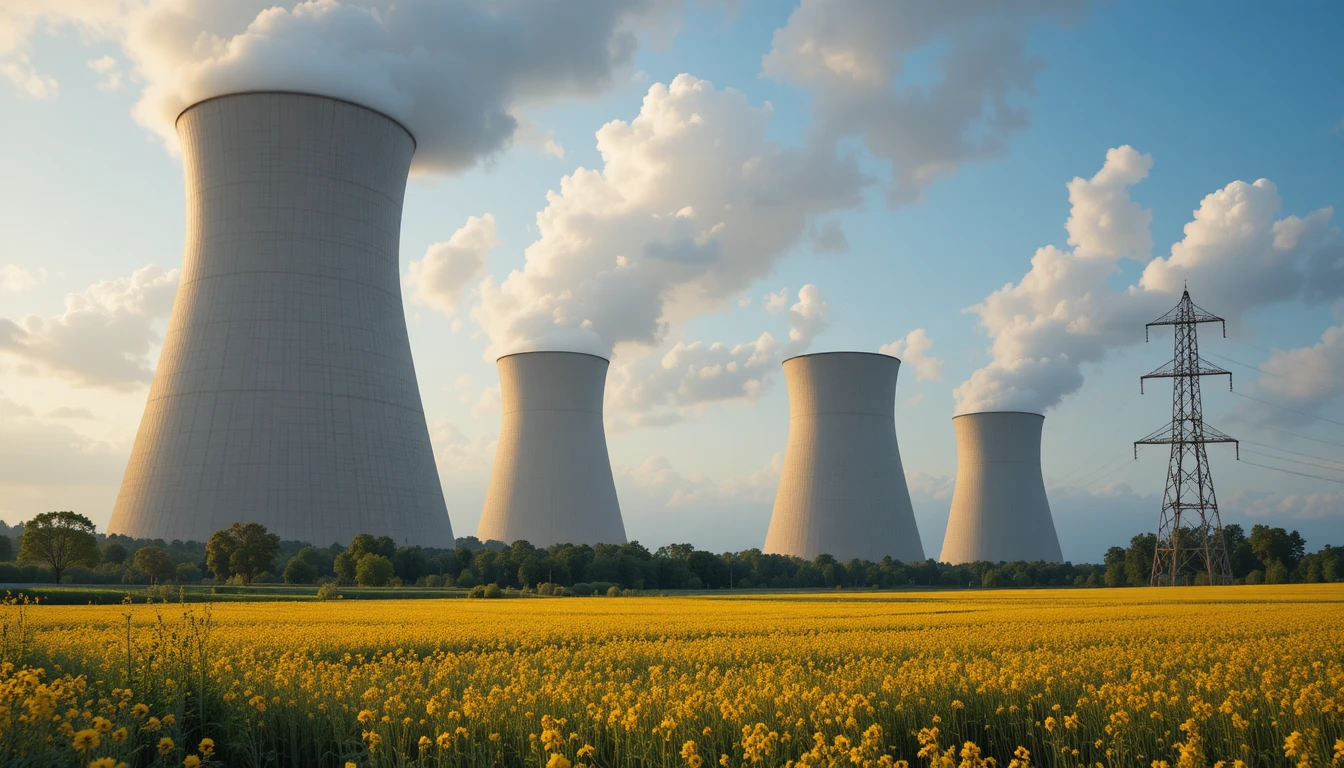
Defining Nuclear Energy
Nuclear energy is a form of energy that is generated through processes involving the atomic nucleus. At the core of this concept is the nucleus itself, which is composed of protons and neutrons. Protons carry a positive charge, while neutrons are neutral particles, both residing in the dense center of an atom. The forces that hold these particles together are immensely powerful, making the nucleus a highly concentrated source of energy.
The extraction of energy from the nucleus occurs primarily through two processes: nuclear fission and nuclear fusion. In nuclear fission, the nucleus of a heavy atom, such as uranium-235 or plutonium-239, is split into smaller nuclei, along with the release of a significant amount of energy. This reaction not only releases energy, but also emits neutrons, which can perpetuate further fission reactions in a chain reaction, harnessed effectively in nuclear reactors.
On the other hand, nuclear fusion involves the combination of light atomic nuclei, such as hydrogen isotopes, to form a heavier nucleus, releasing energy in the process. This reaction is the same process that powers the sun and other stars, making it a highly potent source of energy. However, achieving the necessary conditions for sustained controlled fusion on Earth remains a scientific challenge.
The energy released during both fission and fusion reactions is substantial when compared to conventional chemical energy sources. For instance, the amount of energy produced by splitting a single atom of uranium-235 can equate to the energy released by burning several tons of fossil fuels. This extraordinary energy density is one of the key features that contributes to nuclear energy being considered a viable alternative to traditional energy sources.
Mechanisms of Energy Production
Nuclear energy is primarily harvested through two distinct processes: nuclear fission and nuclear fusion. Each method is fundamentally different in its approach to energy production and has unique implications for technology and energy output.
Nuclear fission is the process that involves the splitting of heavy atomic nuclei into smaller, lighter nuclei. This reaction typically occurs with isotopes such as Uranium-235 or Plutonium-239. When a nucleus is bombarded by a neutron, it absorbs that neutron and becomes unstable, leading to its eventual splitting. The result of this reaction is not only the production of energy in the form of heat but also the release of additional neutrons. These secondary neutrons can initiate further fission reactions in nearby nuclei, creating a self-sustaining chain reaction. Currently, fission is the method predominantly used in nuclear power plants worldwide due to its established technology and efficiency in generating large quantities of electricity.
In contrast, nuclear fusion is the process by which light atomic nuclei, such as those of hydrogen isotopes, combine to form a heavier nucleus, releasing energy in the process. This reaction is the same mechanism that powers the sun and other stars. Achieving fusion on Earth has proven to be significantly more challenging due to the extreme temperatures and pressures required to overcome the electrostatic repulsion between positively charged nuclei. While experimental facilities, such as ITER, are exploring fusion’s potential, practical and sustained fusion energy generation remains in development. The promise of fusion lies in its potential for providing a nearly limitless supply of energy while producing minimal radioactive waste, making it an area of intense research and investment.
Overall, both fission and fusion represent crucial mechanisms for harnessing nuclear energy, each with distinct operational principles and varying technological readiness. Understanding these processes is fundamental in assessing the future potential of nuclear power as a sustainable energy source.
The Role of Nuclear Fission in Modern Energy Generation
Nuclear fission plays a critical role in modern energy generation, providing a significant source of electricity across the globe. This process involves the splitting of atomic nuclei, typically uranium-235 or plutonium-239, which releases a substantial amount of energy in the form of heat. This heat is then used to produce steam, which drives turbines connected to generators, ultimately converting thermal energy into electrical energy. As countries seek to diversify their energy portfolios, nuclear reactors have emerged as a reliable option due to their ability to produce electricity consistently and at a large scale.
The mechanisms involved in fission reactors are sophisticated, featuring a core where the nuclear reactions take place. Control rods, which can absorb neutrons, are used to regulate the fission process, ensuring a steady release of energy. Additionally, cooling systems are implemented to remove heat from the reactor and maintain safe operating temperatures. This intricate balance allows for controlled energy production, making nuclear power an essential component of the energy mix in many nations.
One of the primary advantages of harnessing nuclear fission is its efficiency. A small amount of nuclear fuel can produce a large amount of energy compared to fossil fuels, resulting in lower greenhouse gas emissions. This aspect positions nuclear power as a cleaner alternative in the fight against climate change. However, there are challenges that accompany nuclear fission as well, including concerns about radioactive waste disposal, the potential for catastrophic events, and the high costs associated with building and maintaining nuclear plants. Despite these challenges, the benefits of nuclear fission in energy generation underscore its vital role in transitioning towards a more sustainable energy future.
The Future of Nuclear Fusion: Challenges and Prospects
Nuclear fusion has long been heralded as the holy grail of energy solutions, promising a nearly limitless source of power without the harmful emissions or radioactive waste associated with traditional nuclear fission. However, the transition from theoretical concepts to practical applications presents significant challenges. Researchers and scientists are currently grappling with the complexities of achieving and maintaining the high temperatures and pressures necessary for fusion reactions to occur. The sustained containment of plasma, a state of matter found in stars, is particularly challenging, as any interaction with the reactor walls can extinguish the reaction.
Despite these hurdles, recent advancements in fusion research have sparked optimism within the scientific community. Breakthroughs in magnetic confinement technologies, such as the development of advanced tokamaks and stellarators, are paving the way towards more efficient fusion reactors. Additionally, international collaborations, exemplified by projects like ITER (International Thermonuclear Experimental Reactor), aim to unify global efforts in achieving controlled nuclear fusion. The collaborative nature of these initiatives not only pools resources and knowledge but also accelerates the research process, enhancing the potential for discovery.
The implications of successfully harnessing nuclear fusion are profound. A successful fusion reactor could provide the world with a sustainable and clean energy source, significantly reducing dependence on fossil fuels and helping to mitigate climate change. Moreover, fusion energy could lead to the creation of stable power grids, especially in regions facing energy shortages. As research continues, the potential for fusion to be a cornerstone of global energy sustainability becomes increasingly attainable. Thus, while challenges remain, the prospects for nuclear fusion as a viable energy solution inspire hope for a cleaner, more sustainable future for energy production.