



















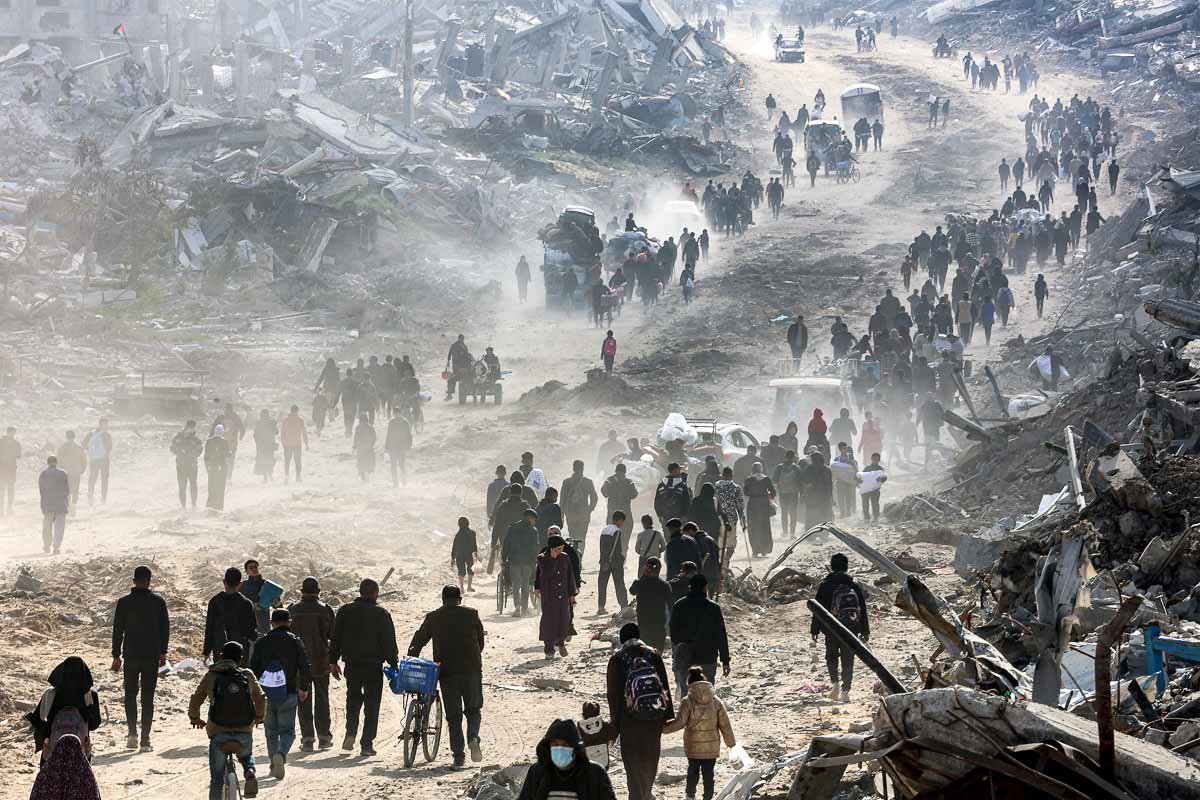
The Current State of the Gaza Ceasefire
The ceasefire in Gaza, while essential for humanitarian efforts, remains precarious and fragile. Recent reports indicate a troubling pattern of ongoing attacks that threaten to unravel the delicate peace that has been established. These military actions, often initiated by various factions, have led to a significant increase in tensions across the region, making the situation increasingly volatile.
The implications of this instability are profound for the local population, which continues to bear the brunt of the conflict. Many civilians live in a state of heightened anxiety, fearing that each day could bring new violence. The humanitarian situation is dire; access to basic necessities such as food, water, and medical supplies remains limited due to ongoing military actions and blockades. The fragile ceasefire does not ensure a safe environment for aid workers, complicating efforts to assist those in desperate need.
Moreover, the cycle of conflict exacerbates existing issues, including displacement and trauma among children and families. As reports of skirmishes and retaliatory strikes surface, there is a growing sense of despair that a lasting peace may never be achieved. This ongoing instability serves as a hindrance to any meaningful dialogue or negotiations that could lead to a resolution of the conflict.
The potential for escalation is ever-present. Each incident of violence risks igniting broader confrontations, drawing in multiple parties with vested interests in the outcome of the ceasefire. The locals are caught in the crossfire, and the chances for a sustainable peace process diminish with each passing day. Addressing the root causes of the conflict is imperative for any significant change to occur, but without commitment from all involved parties, the cycle is likely to continue.
Humanitarian Crisis: Conditions on the Ground
The ongoing situation in Gaza has created a profound humanitarian crisis, with a considerable portion of the population facing extreme hardships. Basic necessities such as food, clean water, and medical supplies are in short supply, resulting in deteriorating living conditions across the region. Reports indicate that many families struggle to meet their daily needs, exacerbating the already dire circumstances.
Healthcare facilities are overwhelmed and under-resourced, largely due to the ongoing conflict and blockades that have impeded the delivery of aid. Hospitals are operating beyond capacity, lacking essential supplies and equipment necessary to treat patients effectively. This situation is particularly alarming for vulnerable groups, including children and the elderly, who rely heavily on healthcare services for both preventive and critical care. The winter months only heighten these challenges, as the cold weather compounds the health risks while access to appropriate clothing and heating is scarce.
The impact of winter conditions has been especially tragic, with confirmed cases of hypothermia among the most vulnerable populations, including infants and young children. These individuals are left unprotected against the harsh elements, increasing the likelihood of severe health complications. The humanitarian crisis in Gaza extends beyond physical health; it encompasses emotional and psychological dimensions as families endure ongoing fear, uncertainty, and loss.
In light of these circumstances, addressing the immediate needs of the population in Gaza requires urgent action from both international stakeholders and local organizations. Ensuring the flow of humanitarian aid and restoring basic services will be crucial in alleviating the suffering faced by countless individuals during this precarious period.
Challenges in Implementing the Peace Plan
The endorsement of a peace plan aimed at addressing the ongoing crisis in Gaza represents a significant step towards stability; however, numerous challenges hinder its effective implementation. One of the primary obstacles is the lack of agreement between the involved parties, which has often led to delays and setbacks. Mistrust between stakeholders, stemming from a history of conflict and unresolved grievances, creates an environment where cooperation is difficult to achieve. Each party has differing priorities and objectives, complicating the negotiation process and often derailing efforts to move forward.
The role of external entities, such as international organizations and regional powers, is also crucial. These stakeholders can provide essential support, both diplomatically and financially, to facilitate the peace plan’s enactment. However, competing interests and geopolitical considerations frequently influence their involvement. Some nations may prioritize their own strategic aims over a genuine commitment to peace in Gaza, thus affecting the potential for collaborative efforts. As a result, securing unified support from the international community remains a critical yet challenging task.
Additionally, the urgency for timely actions cannot be overstated. Members of the United Nations Security Council have issued calls for immediate measures to solidify the ceasefire and enhance humanitarian aid for those affected by the ongoing conflict. Procrastination in addressing these issues amplifies the humanitarian crisis, causing further suffering for civilians caught in the crossfire. The complexity of the situation necessitates a coordinated approach, where all parties are willing to make difficult compromises. Yet, without renewed commitment and decisive actions, the goal of sustainable peace in Gaza may remain elusive.
The Role of the International Community
The humanitarian crisis in Gaza has attracted significant attention from the international community, which plays a crucial role in addressing the ongoing situation. Various global actors, including governmental bodies, non-governmental organizations, and civil society groups, have raised their voices advocating for a sustained ceasefire and peace in the region. These entities often collaborate to provide critical humanitarian aid that alleviates the suffering of civilians caught in the conflict.
One of the essential responsibilities of the international community is to facilitate humanitarian efforts. This includes ensuring that aid reaches those most affected by the violence, such as women, children, and the elderly. Organizations such as the United Nations Relief and Works Agency (UNRWA) and various NGOs have been pivotal in delivering food, medical supplies, and essential services to the population in Gaza. The coordination of these efforts is vital in minimizing the immediate impact of the crisis and supporting the reconstruction process.
In addition to humanitarian assistance, the international community is also pivotal in peace negotiations aimed at resolving the underlying issues fueling the conflict. Diplomatic efforts often involve significant stakeholders, including regional powers and international organizations, to mediate dialogues between the opposing parties. The effectiveness of these interventions can significantly influence the likelihood of achieving a lasting peace and reducing the potential for future violence.
Furthermore, the collective responsibility to advocate against acts of aggression must not be overlooked. There is an ongoing need for the international community to foster accountability and ensure that violations of international law are addressed. This multifaceted approach, combining humanitarian aid, diplomatic negotiation, and proactive measures against violence, is essential for creating a sustainable resolution to the crisis in Gaza.