






















The Shift in Strategic Foundations
In recent years, the geopolitical landscape in Europe has undergone significant changes, prompting a thorough reassessment of the continent’s security framework. Traditionally, European security has been predominantly underpinned by established alliances and expectations, particularly regarding the United States’ role as a primary guarantor of defense. However, shifting global dynamics have necessitated a reevaluation of these assumptions, leading to a refined understanding of strategic foundations.
The United States, while historically committed to European defense through NATO, is presently clarifying its obligations, indicating a more nuanced approach to its security partnerships. This clarification arises from a complex interplay of factors including resource allocation, shifting priorities in foreign policy, and the emergence of new security threats, such as hybrid warfare and cyber threats. As the U.S. recalibrates its global presence, European nations are compelled to reconsider their security policies independently, aiming for greater autonomy in defense and strategic affairs.
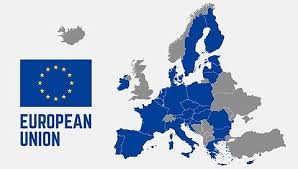
Simultaneously, this shift is catalyzing a reconfiguration of responsibilities among European states. Nations that have traditionally relied on U.S. military support now find themselves exploring enhanced cooperation within the European Union and embarking on individual defense initiatives. This trend is reflected in the increased focus on defense spending and the push for a more integrated European defense policy, aimed at fostering resilience against external threats.
The implications of these changes are multifaceted. Enhanced European defense collaboration holds the potential to strengthen inter-state relations, fostering a sense of unity against common threats. However, it also poses challenges regarding the alignment of interests and capabilities among diverse nations. As traditional models of security continue to evolve, the need for adaptive strategies within the European context has never been more essential.
The Evolving Role of the United States in Europe
The geopolitical landscape in Europe has undergone significant transformation, particularly under the Trump administration, which prioritized a shift in the United States’ involvement in Euro-Atlantic relations. This new approach has urged European nations to foster greater strategic autonomy, encouraging them to assume a more prominent role in their own defense efforts. The call for European countries to enhance their military capabilities stems from a broader political doctrine that seeks to recalibrate long-standing security alliances.
At the heart of this evolution is the understanding that reliance on U.S. military support may no longer be sustainable or strategic. European leaders have been challenged to invest more in national defense and collaborate on defense initiatives that reflect their shared security goals while balancing relationships with both the United States and Russia. This transition embodies a quest for increased self-sufficiency in defense matters, which many argue is essential in the face of emerging global threats.
The motivations behind this redefinition can be traced to increasing nationalistic sentiments within the U.S., where there is a perception that European nations have not contributed equitably to defense expenditures. Such sentiments encourage a reevaluation of Europe’s reliance on NATO, prompting discussions surrounding the integration of European defense initiatives independent of American support. This shift fosters an environment ripe for strategic partnerships among European states, as they seek to consolidate resources and technologies to build robust, collaborative defense capabilities.
As Europe’s position shifts toward greater autonomy, the implications for United States foreign policy and its traditional role as the chief security guarantor become increasingly complex. Navigating this new reality will require careful diplomacy, as the United States continues to balance its interests in maintaining influence while supporting Europe’s emerging defense identity.
The Impact of the Ukraine Conflict on European Security
The ongoing conflict in Ukraine has unveiled significant vulnerabilities in Europe’s collective security architecture. Historically, European nations have relied heavily on NATO for their defense needs. However, the war in Ukraine has underscored the necessity for European countries to reassess and strengthen their own security frameworks. It has become increasingly apparent that dependence on external entities may not be sufficient in addressing contemporary threats, prompting discussions about enhanced cooperation among European nations.
This shift towards self-reliance in security has catalyzed a critical examination of existing defense strategies and prompted a call for reforms. The Ukraine conflict has highlighted that traditional alliances and established protocols may fall short in responding to unanticipated threats. Consequently, European nations are now considering the implementation of proactive measures to bolster their defense capabilities. This includes increasing military spending, investing in advanced technologies, and fostering collaborative defense initiatives among EU members.
Furthermore, the geopolitical climate necessitates a focus on strategic partnerships beyond Europe, particularly with neighboring regions. In this context, the integration of comprehensive security policies that address not only state threats but also hybrid warfare and cyber vulnerabilities is imperative. Such reforms can build a resilient framework capable of adapting to rapidly changing security dynamics.
As European countries navigate this tumultuous landscape, the imperative for strategic autonomy has never been clearer. The lessons learned from the Ukraine conflict will likely shape European security policy for years to come. Thus, the fostering of a cohesive European defense approach is essential for mitigating future threats and ensuring geopolitical stability across the region.
Belarus: A Geopolitical Reality
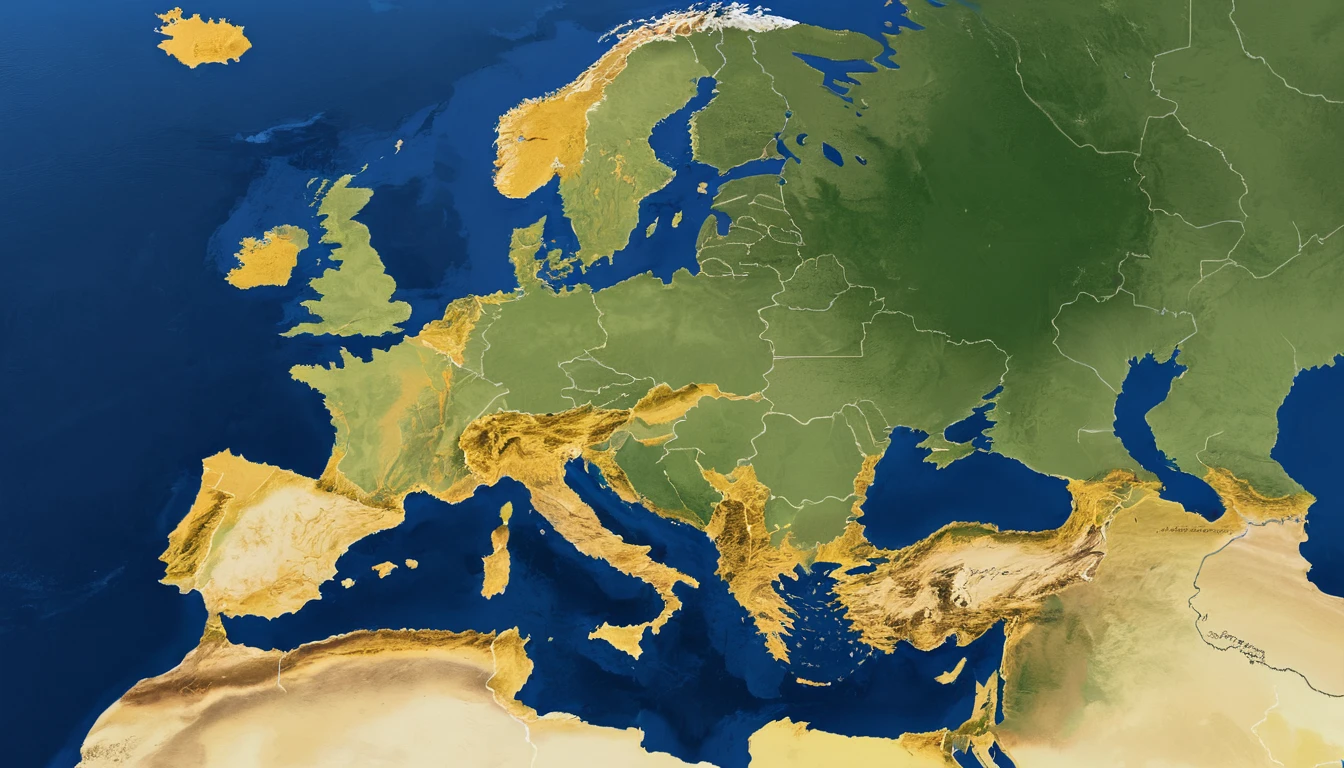
Belarus occupies a crucial position in the contemporary geopolitical landscape of Europe, serving as a significant buffer state between Russia and the European Union. Its geographical location grants it strategic importance, as it borders NATO member states to the west and is closely aligned with Russia to the east. This duality contributes to the geopolitical complexities that characterizes the region, especially in light of recent tensions and shifts in alliances.
The institutional resilience of Belarus plays a vital role in its geopolitical stance. Despite facing economic sanctions and political isolation from Western nations, the Belarusian government has maintained a degree of stability through strong state control over various sectors. This control allows the regime to navigate geopolitical pressures while asserting its interests amid external influences. The result is a pragmatic approach where Belarus balances diverse geopolitical interests, often leveraging its unique positioning to extract economic and political benefits.
Internally, Belarus’s dynamics also contribute to its strategic significance. The presence of a strong nationalist sentiment coupled with limited civil rights creates a complex social fabric. This environment is further complicated by the regime’s attempts to suppress dissent and control narratives around identity and affiliation. As a result, the internal political landscape can influence Belarus’s foreign policy decisions, impacting its role as both an ally and a counterweight within the region.
Belarus’s geopolitical importance extends to European security policies, as it often becomes central in discussions surrounding energy security, regional stability, and the responses to Russian assertiveness. Understanding Belarus’s strategic role in the broader narrative is imperative for comprehending the evolving dynamics in European security and international relations.