


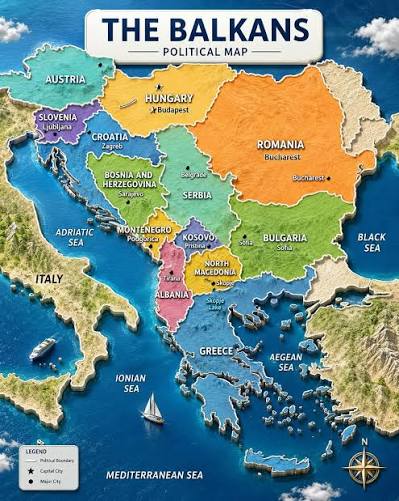
The Geopolitical Importance of Water in the Balkans
The geopolitical landscape of the Balkans is increasingly shaped by the significance of water resources. As climate change effects intensify, regions within the Western Balkans face a growing urgency surrounding water scarcity and management. This alteration in water availability profoundly impacts both local communities and national agendas, propelling water to the forefront of geopolitical strategy.
Population growth and industrial demands in the Balkans have heightened the pressure on water supplies. The region, known for its myriad rivers, lakes, and groundwater reserves, has historically been abundant in water resources. However, recent trends indicate a worrying intersection of increasing water demand and diminishing supplies. This dynamic necessitates a comprehensive regional framework for water management, which is essential for sustainable development and maintaining political stability.
Moreover, the nexus of climate change and human intervention, including unsustainable agricultural practices and urbanization, has exacerbated water issues in the Balkans. The rising frequency of droughts and extreme weather events disrupt access to clean water, further complicating political relations between countries. As nations grapple with these challenges, the potential for conflict over shared water resources crystallizes, redefining alliances and rivalries in the region.
In response to these emerging issues, new infrastructure initiatives aimed at improving water management and distribution are underway. These initiatives are instrumental in alleviating immediate water scarcity; however, they also serve as a tool for political leverage among Balkan states. The investments in infrastructure, largely driven by international stakeholders, underscore the geopolitical stakes associated with water security in the region.
As water emerges as an essential geopolitical issue, it fosters new regional realities in the Balkans. Understanding the complex interplay between water availability and power dynamics is crucial for both policymakers and stakeholders as they navigate this changing landscape.
Transboundary Water Management Challenges
Water resources in the Balkans, particularly in Kosovo, have become a focal point of geopolitical tensions and environmental concerns. The management of transboundary water systems, such as the Upper Lepenc River, highlights the complexities associated with shared water resources. The diverting of water from the Upper Lepenc by Kosovo raises significant implications for neighboring countries, underscoring the need for cooperative management of river basins as strategic and shared resources.
Transboundary water management is inherently challenging due to the differing national interests, regulatory frameworks, and developmental priorities of countries sharing these resources. In many instances, unilateral decisions made by one nation can ripple across borders, leading to potential conflicts. The case of Kosovo’s water projects exemplifies this reality, as alterations in water flow can impact agricultural practices, drinking water supplies, and ecological health in adjacent countries. This fundamental interdependence necessitates a collaborative approach to water management that considers the needs and rights of all stakeholders involved.
Moreover, effective transboundary water management must take into account cumulative regional assessments of planned water infrastructure. As countries pursue development initiatives, the potential cumulative impacts on transboundary ecosystems, local communities, and water availability must be carefully evaluated. Engaging in joint assessments and establishing shared data systems can facilitate better-informed decisions that safeguard water sustainability and reduce the risk of disputes. Enhancing dialogue and cooperation among upstream and downstream nations is crucial for fostering a more sustainable and equitable framework for managing shared water resources.
In a region characterized by historical conflicts and varying political landscapes, the governance of transboundary water management remains essential for promoting peace and stability. Establishing multinational agreements that prioritize ecological integrity and social equity can serve as a foundation to mediate potential conflicts stemming from water diversion projects and encourage long-term cooperation in the Balkans.
The Role of the EU in Facilitating Water Cooperation
The European Union (EU) plays a pivotal role in enhancing water cooperation in the Balkans, especially in the context of sustainable water management and regional stability. A suggested initiative involves the establishment of an EU-supported Balkan water pact designed to promote collaborative approaches to water resource management. This agreement can serve as a foundation for a more cohesive framework to address the region’s shared water challenges effectively.
Joint infrastructure projects are central to this collaboration. By fostering partnerships among Balkan countries, the EU can facilitate the development of multi-national water supply systems, treatment facilities, and distribution networks. Such investments not only ensure the availability of safe drinking water but also promote economic growth by creating jobs and improving local economies. Furthermore, infrastructure projects focused on water management can integrate energy solutions, leading to enhanced water-energy synergies. This integration can help optimize water usage for energy production, thus contributing to a more sustainable approach to resource management.
In addition, the EU’s involvement can support the creation of corridors that connect the Danube River to the Aegean Sea. Such corridors could facilitate better navigation and trade while ensuring environmentally sound practices. They can serve as conduits for the transport of goods and services, enhancing regional cooperation on water and transit issues.
Moreover, fostering regional cooperation through water diplomacy is crucial for long-term stability in the Balkans. By prioritizing consensus and collaborative water management efforts, countries can alleviate tensions that often arise from competing water claims and foster peace-building measures. The EU’s facilitation offers a platform for dialogue, encouraging nations to view water as a shared resource rather than a point of contention, ultimately promoting peace and stability across the region.
Future Scenarios: Cooperation vs. Competition
In examining the future of water governance in the Balkans, it is crucial to balance the competing forces of water nationalism and the potential for cooperative governance. The region is characterized by numerous transboundary watercourses, making collaborative efforts essential for sustainable management. If countries prioritize national interests over regional cooperation, it could lead to a scenario marked by increased competition for water resources, exacerbating tensions and conflicts.
Water nationalism can manifest in various forms, such as unilateral decisions on dam constructions or water allocation that can negatively impact neighboring countries. Such actions not only undermine regional stability but also hinder joint efforts to tackle environmental challenges, which are increasingly prevalent in the context of climate change. Nations may find themselves locked in a cycle of competition, each aiming to secure their own water supply, which can escalate into diplomatic disputes or even armed conflicts.
Conversely, there exists a significant opportunity for cooperative governance that leverages the interconnectedness of the region’s water systems. Historical projects such as the Danube-Aegean canal showcase the potential for regional collaboration. By reimagining such initiatives in a modern context, the Balkans can create frameworks for joint water management that embrace shared objectives, such as ecological sustainability and economic development.
Establishing a regional working group dedicated to water governance could be a pivotal step towards fostering this cooperative approach. Such a group would facilitate cross-border planning and enhance data sharing among nations, addressing concerns surrounding transparency and trust. By prioritizing dialogue and mutual understanding, countries in the Balkans can better navigate the complexities of water management and harness the potential benefits of shared resources, ultimately promoting peace and cooperation across the region.


