
The Current State of Journalism in Conflict Zones
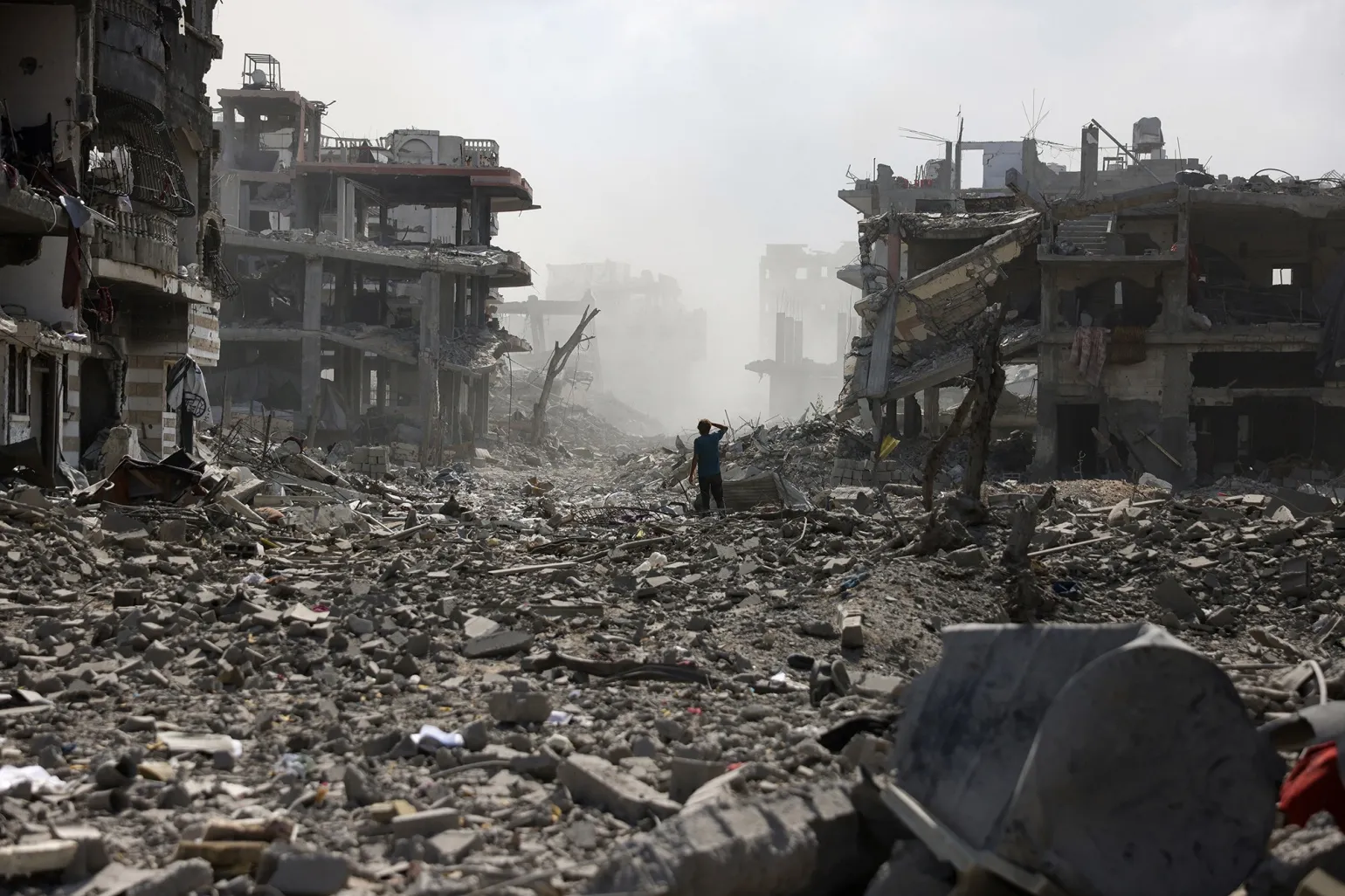
The landscape of journalism in conflict zones, particularly in regions like Gaza, has become increasingly perilous. Journalists dedicated to reporting the realities of war often encounter significant risks, ranging from physical harm to the suppression of their work. According to the Committee to Protect Journalists (CPJ), incidents of violence against media professionals have surged, with a record number of journalists killed while covering conflicts in recent years. The environment in Gaza exemplifies this trend, where journalists often face threats from various factions, making the simple act of reporting a life-threatening endeavor.
Personal accounts from journalists stationed in conflict areas indicate the grim reality they endure. Many highlight episodes of harassment, detainment, or targeted violence, all while grappling with the ethical dilemmas of reporting on human suffering. The absence of safety guarantees not only puts their lives in jeopardy but also obstructs the flow of information to the broader public. As frontline workers, journalists must navigate the treacherous landscape of misinformation while trying to deliver accurate accounts of events unfolding behind the scenes.
The tragic consequences of violence on reporting extend beyond the journalists themselves. Communities reliant on accurate news coverage often experience a disconnection from reality when media narratives become skewed or cease altogether. Displacement, in particular, shapes the experiences of both journalists and the communities they serve, creating a cycle of fear and silence. The challenges for journalists covering conflicts, especially in volatile areas like Gaza, have profound implications not just for the media industry but for peace journalism. Inadequate reporting can hinder reconciliation efforts and exacerbate tensions between conflicting parties, emphasizing the need for a safer working environment for media professionals.
The Role of International Media in Conflict Reporting
The role of international media in conflict reporting is pivotal in shaping public understanding and awareness of complex geopolitical issues. In situations like the Gaza conflict, where narratives can be deeply polarized, the responsibility of journalists becomes even more critical. International reporters often find themselves as the primary sources of information, tasked with unveiling the realities of warfare and humanitarian crises to audiences who are geographically and emotionally distant from the events.
However, covering conflicts presents a myriad of challenges for journalists. Accessing conflict zones such as Gaza is fraught with danger, as security concerns can hinder the ability to gather accurate information. Journalists may face restrictions from local authorities, and there may also be threats from armed groups that challenge their safety and objectivity. These barriers not only complicate logistics but also place immense pressure on reporters to verify their stories under less-than-ideal conditions. Moreover, the need for timely reporting often clashes with the ethical obligation to produce well-researched and factual content, which can lead to oversimplification or the omission of critical context.
Despite these obstacles, the ethical responsibilities of journalists in conflict situations compel them to strive for truthfulness and neutrality. International media serve as a conduit through which facts about the human impact of war are disseminated, potentially influencing public perception, government policies, and international responses. Accurate reporting can galvanize humanitarian efforts and prompt diplomatic negotiations, highlighting the transformative power of journalism.
In an age of digital communication, the immediacy of international media extends their reach, ensuring that stories from conflict zones resonate globally. As such, the international media not only informs but also empowers audiences to respond to crises with empathy and awareness. This highlights the broader role of journalism in fostering peace and understanding amidst conflict.
The UN’s Position on the Gaza Conflict and Journalism
The ongoing Gaza conflict continues to draw significant international attention, prompting responses from various global entities, including the United Nations (UN). The UN Secretary-General has expressed grave concern over the humanitarian ramifications of the conflict, emphasizing the need for an immediate ceasefire to protect civilians and ensure safe access for humanitarian aid. In this context, the role of journalists is critical, as they serve as vital sources of information and accountability. The UN has consistently highlighted the importance of safeguarding journalists, who often operate under life-threatening conditions in conflict zones.
The UN’s commitment to a peaceful resolution to the Gaza conflict is demonstrated through various resolutions and statements urging all parties to respect international humanitarian law. These laws place a strong emphasis on the protection of civilians and the media during armed conflicts. The UN Security Council Resolution 2222, adopted in 2015, specifically calls for the protection of journalists in conflict situations, recognizing their essential role in promoting peace and understanding. This resolution underscores the necessity for all parties to avoid actions that may jeopardize the safety of those reporting on the ground, thus reinforcing the obligation to uphold human rights.
Furthermore, adherence to international law by all parties involved in the Gaza conflict is paramount for future peace efforts. The UN has called upon both state and non-state actors to be held accountable for violations of international law, particularly acts that target journalists or obstruct their work. It is essential to foster an environment where media representatives can operate freely and safely, contributing to an informed public. Any degradation of press freedom can severely undermine efforts toward peace and reconciliation in the region. Therefore, a unified international stance that prioritizes the safety of journalists can serve as a cornerstone for restoring stability in the Middle East.
Pathways to Peace: The Role of Journalism in Conflict Resolution
Journalism plays a pivotal role in conflict resolution, particularly in the context of the Gaza conflict. Through responsible reporting and storytelling, journalists can foster understanding and empathy among the conflicting parties. This involves not only accurately conveying facts but also delving into the human experiences behind the headlines. When journalists highlight personal stories of those affected by the conflict, they create a narrative that transcends political boundaries and illuminates shared human experiences. Such storytelling has the potential to humanize opposing sides, allowing for a deeper understanding of each party’s motives and struggles.
Moreover, effective journalism can serve as a catalyst for dialogue by encouraging discussions based on facts rather than propaganda. By introducing diverse perspectives and ensuring that voices from all aspects of the conflict are heard, journalists can mitigate misunderstandings that often fuel violence. Engaged reporting also involves examining the root causes of conflict, which can inform audiences and policymakers alike. This educational function of journalism is crucial in forming a well-informed public that can advocate for peaceful solutions.
Furthermore, the media has the capacity to shape public opinion and influence global consensus on critical issues. By reporting responsibly on the implications of the Gaza conflict, media outlets can raise awareness and elicit international responses that promote peacebuilding efforts. For instance, showcasing successful peace initiatives or collaborative projects can inspire similar efforts, demonstrating that coexistence is achievable. As journalists strive to present balanced, nuanced accounts, they not only uplift marginalized voices but also foster an environment conducive to negotiation and reconciliation.
In conclusion, the potential of journalism as a force for peace cannot be underestimated. Through empathetic storytelling, responsible representation, and educational outreach, journalists can contribute significantly to reducing tensions and fostering a culture of understanding in the Middle East. The ongoing challenge lies in the commitment of journalists to uphold these principles in their reporting practices.

