We’d like to sincerely thank all of you for your reactions, thoughtful messages, and the many emails we receive every day. Your engagement means a lot to us, and we do our best to respond to as many questions as possible — even though we receive hundreds of messages daily. We're working on a solution to improve communication in the future.
All articles published on our website are written by the individuals whose names are listed — we do not hire external writers. Our site is built on WordPress and designed by our own Arthouse, which has been active in the creative field for many years.
Please note that spelling may vary across articles, as some are written in British English and others in American English. These differences are intentional and not errors.
Our content changes daily and reflects a wide range of topics and perspectives. While not every article may appeal to everyone, we strive to offer valuable insights and information to benefit all our readers.
We are a non-profit organization (NGO) and do not operate for commercial gain. Our work is supported by member subscriptions and generous donations — for which we are deeply grateful.
Thank you for being part of our community.
HomeHealthUnderstanding the Long-Term Risks of Radiotherapy: Insights from the Latest UN Report
Overview of the UN Report on Radiotherapy and Cancer Risks
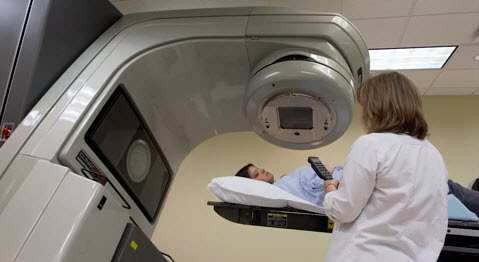
The recent report published by the United Nations Scientific Committee on the Effects of Atomic Radiation (UNSCEAR) has garnered attention due to its comprehensive investigation into the long-term risks associated with radiotherapy. This document emphasizes the necessity to evaluate the potential cancer risks emanating from radiotherapy, particularly in light of its widespread use as a treatment modality for various malignancies. The report meticulously analyzes data collected from different studies conducted globally, emphasizing a standardized approach to measuring outcomes related to radiotherapy treatment.
The report’s primary objective is to furnish healthcare professionals, patients, and policymakers with essential information regarding the safety implications of radiotherapy. Given the advancements in cancer treatment methodologies, this report is significant as it not only assesses the effectiveness of radiotherapy but also critically examines its association with the development of secondary malignancies. The findings aim to strike a balance between the therapeutic advantages of radiotherapy and its potential long-term ramifications, facilitating informed decision-making in clinical settings.
Findings on Second Primary Cancers Post-Radiotherapy
The recent United Nations report has illuminated significant findings regarding the incidence of second primary cancers following radiotherapy. This emerging area of concern underscores the importance of recognizing the subtle complexities involved in cancer treatment, highlighting the necessity of evaluating both short-term benefits and long-term repercussions. Research indicates that approximately 5% to 15% of cancer survivors may develop a secondary malignancy within 10 to 15 years post-radiotherapy. These percentages vary depending on several factors, including the initial cancer type, the dose of radiation administered, and the specific tissues that have been exposed to radiation.
One of the key factors influencing the risk of secondary cancers is the cumulative radiation dose received during treatment. Higher doses may correlate with a greater likelihood of developing secondary malignancies in the same area or even in distant tissues. In particular, tissues with high cellular turnover, such as bone marrow and epithelial tissues, are more susceptible to the mutagenic effects of radiation. Additionally, prior medical history, genetic predispositions, and lifestyle factors such as smoking or diet can also impact an individual’s risk of developing a second primary cancer.
To arrive at these conclusions, the report employed various scientific methodologies, including long-term cohort studies and extensive data analyses that assess patient follow-up comprehensively. These studies are vital in providing evidence regarding the latent effects of radiotherapy, supporting oncologists in making informed decisions tailored to individual patient circumstances. Thus, while radiotherapy remains a cornerstone in cancer treatment and can significantly improve survival rates, it is critical for healthcare providers to balance these positive outcomes against the potential for secondary cancers. Understanding these findings promotes a more nuanced discussion about the risks and benefits associated with radiotherapy.
The Importance of Personalized Treatment and Monitoring
In recent years, the field of radiotherapy has increasingly recognized the significance of personalized treatment plans tailored to the unique needs of individual patients. This approach is crucial for optimizing treatment outcomes while minimizing long-term risks associated with radiotherapy. As outlined in the latest UN report, a one-size-fits-all strategy is no longer deemed effective; instead, treatments must be customized based on various factors including the patient’s age, gender, stage of cancer, and genetic makeup.
Personalized treatment planning leverages advanced diagnostic tools and techniques to inform more effective interventions. For instance, molecular profiling of tumors is transforming how healthcare providers decide on suitable radiotherapy regimens, leading to improved precision. By identifying specific biomarkers, oncologists can choose the most effective radiation doses and schedules, thereby enhancing efficacy while mitigating potential complications.
Furthermore, continuous patient monitoring is an essential component of personalized treatment. The evolving nature of radiotherapy techniques, including image-guided and adaptive therapies, allows for real-time adjustments during treatment. This ensures that adverse reactions can be promptly identified and managed, reducing the likelihood of long-term side effects. Regular follow-ups and assessments not only help in monitoring the patient’s response to therapy but also aid in capturing any emerging complications early on.
In summary, the integration of personalized treatment plans and ongoing monitoring is vital in the quest to improve patient safety and long-term health outcomes for those undergoing radiotherapy. This multifaceted approach aims to enhance therapeutic success while addressing the risks inherent to radiation exposure, ultimately contributing to a holistic strategy for patient care.
Implications for Future Cancer Care and Safety Standards
The findings from the latest UNSCEAR report carry significant implications for the future of cancer care, particularly focusing on the administration of radiotherapy. As healthcare professionals strive to ensure effective treatment options for cancer patients, the insights gleaned from this report underline the necessity of integrating rigorous safety standards into clinical practices. This integration not only enhances the efficacy of cancer treatments but also assures patients of their safety during and after undergoing radiotherapy.
One of the primary concerns expressed in the report relates to the long-term risks associated with radiotherapy. With this understanding, healthcare practitioners are called to refine their approaches by considering both the potential benefits and risks when recommending radiotherapy. Establishing comprehensive patient education programs is vital in this regard. Such programs can equip patients with the necessary information to make informed decisions about their treatment options, ultimately enhancing their confidence in the care they receive.
Moreover, the UNSCEAR report encourages an evaluation of current radiotherapy methodologies, prompting a shift toward research initiatives focused on minimizing long-term risks. Healthcare institutions are urged to collaborate in this ongoing process to foster a culture of safety within cancer care. Emphasizing the need for continuous professional development, workshops and training in radiotherapy management can significantly improve practitioners’ knowledge about emerging safety standards and techniques.
In conclusion, the implications of the UNSCEAR findings are profound, guiding future advancements in cancer treatment protocols. The delicate balance between efficacy and safety must be constantly assessed, ensuring that patients receive cutting-edge cancer care while actively safeguarding their long-term health. Continual evolution and adaptation of radiotherapy practices signify a commitment to both effective treatment and patient safety in the realm of oncology.
Frequently Asked Questions
I carry on listening to the reports lecture about receiving free online grant applications so I have been looking around for the finest site to get one. Could you tell me please, where could i get some?
Posted by empire88 slot gacor on 01/12/2025
I conceive this internet site has got some really good info for everyone. "The penalty of success is to be bored by the attentions of people who formerly snubbed you." by Mary Wilson Little.
Posted by hi88 on 01/12/2025
Is going to be again continuously in order to check out new posts.
Posted by gelatin trick on 01/12/2025
you made blogging look easy. The overall look of your web site is excellent, let alone the content!
Posted by honey trick for memory loss on 30/11/2025
Write more, thats all I have to say. Literally, it seems as though you relied on the video to make your point. You obviously know what youre talking about, why throw away your intelligence on just posting videos to your blog when you could be giving us something informative to read?
Posted by εταιρία security τιμές on 27/11/2025
Really fantastic information can be found on web blog. "We should be eternally vigilant against attempts to check the expression of opinions that we loathe." by Oliver Wendell Holmes.
Posted by immigration attorney new york on 26/11/2025
It's a shame you don't have a donate button! I'd certainly donate to this brilliant blog! I suppose for now i'll settle for bookmarking and adding your RSS feed to my Google account. I look forward to new updates and will talk about this site with my Facebook group. Talk soon!
Posted by n400 lawyer on 26/11/2025
I cling on to listening to the news bulletin lecture about getting boundless online grant applications so I have been looking around for the best site to get one. Could you tell me please, where could i find some?
Posted by chevrolet wheel simulators on 26/11/2025
I went over this site and I conceive you have a lot of good info , bookmarked (:.
Posted by bola24 on 25/11/2025
My husband and i ended up being thankful Ervin could round up his inquiry out of the ideas he received through the web site. It is now and again perplexing to just possibly be handing out things that other people might have been selling. We keep in mind we have the website owner to give thanks to because of that. Those explanations you have made, the simple website menu, the relationships you can assist to create - it is all sensational, and it is facilitating our son in addition to our family recognize that that concept is awesome, which is certainly tremendously fundamental. Thanks for the whole lot!
Posted by am.co.za on 25/11/2025
I really like your writing style, great information, thanks for putting up :D. "Freedom is the emancipation from the arbitrary rule of other men." by Mortimer Adler.
Posted by am.co.za on 25/11/2025
Hi, Neat post. There is an issue together with your site in internet explorer, would check thisK IE still is the marketplace leader and a large element of other people will omit your excellent writing due to this problem.
Posted by renting a photo booth price on 24/11/2025
I'm assuming having a blog like yours would cost a pretty penny? I'm not very internet savvy so I'm not 100 certain. Any recommendations or advice would be greatly appreciated. Many thanks
Posted by hl med spa on 24/11/2025
You got a very wonderful website, Sword lily I discovered it through yahoo.
Posted by surveyors sussex on 24/11/2025
I am constantly searching online for ideas that can facilitate me. Thanks!
Posted by เรียนพูดภาษาอังกฤษ on 24/11/2025
I discovered your weblog site on google and check just a few of your early posts. Proceed to maintain up the superb operate. I simply additional up your RSS feed to my MSN Information Reader. Searching for forward to studying extra from you in a while!…
Posted by whatsapp security specialists on 24/11/2025
I dugg some of you post as I cerebrated they were very helpful handy
Posted by paus empire on 22/11/2025
This is very interesting, You are a very skilled blogger. I have joined your feed and look forward to seeking more of your wonderful post. Also, I've shared your website in my social networks!
Posted by sewa furniture untuk expatriat on 22/11/2025
Hello There. I found your blog using msn. This is an extremely well written article. I will be sure to bookmark it and return to read more of your useful information. Thanks for the post. I’ll certainly return.
Posted by sms808 slot on 21/11/2025
You have noted very interesting points! ps nice site.
Posted by Concurso Planaltina GO 2025 on 21/11/2025
I am always browsing online for posts that can help me. Thanks!
Posted by susterslot on 21/11/2025
Some truly excellent information, Glad I observed this. "Our pleasures were simple-they included survival." by Dwight D Eisenhower.
Posted by Concurso SES SC 2025 on 20/11/2025
I conceive other website owners should take this site as an model, very clean and wonderful user genial design and style.
Posted by the brain song on 20/11/2025
I regard something truly special in this web site.
Posted by Agente Administrativo Estratégia on 20/11/2025
I truly enjoy looking through on this site, it contains superb blog posts. "Words are, of course, the most powerful drug used by mankind." by Rudyard Kipling.
Posted by Curso Pós-Edital Alfacon on 20/11/2025
very nice submit, i actually love this web site, keep on it
Posted by Curso Passo Pós-Edital Assembleia Legislativa GO on 20/11/2025
We are a group of volunteers and starting a new scheme in our community. Your website provided us with useful information to paintings on. You have performed a formidable process and our entire community might be grateful to you.
Posted by Curso Pós-Edital G7 2025 on 20/11/2025
You are my inhalation, I possess few blogs and infrequently run out from to post .
Posted by ฝึกพูดภาษาอังกฤษ on 20/11/2025
F*ckin' awesome issues here. I'm very happy to see your post. Thanks so much and i am having a look ahead to contact you. Will you kindly drop me a e-mail?
Posted by สถาบันสอนภาษาอังกฤษ on 20/11/2025
What’s Happening i am new to this, I stumbled upon this I've discovered It positively useful and it has aided me out loads. I am hoping to give a contribution & aid different users like its aided me. Good job.
Posted by Agente de Fiscalização Regulação de Transporte Estratégia on 19/11/2025
What i don't realize is in fact how you're not really a lot more smartly-preferred than you might be right now. You're very intelligent. You realize thus considerably on the subject of this matter, made me for my part consider it from so many varied angles. Its like women and men are not involved unless it is something to accomplish with Lady gaga! Your own stuffs nice. At all times handle it up!
Posted by stream bundesliga videos on 17/11/2025
We're a group of volunteers and opening a new scheme in our community. Your site provided us with valuable information to work on. You have done a formidable job and our entire community will be thankful to you.
Posted by stream college sports live on 17/11/2025
I like what you guys are up also. Such clever work and reporting! Carry on the excellent works guys I have incorporated you guys to my blogroll. I think it'll improve the value of my web site 🙂
Posted by top 10 online betting sites in india on 15/11/2025
Yay google is my world beater assisted me to find this outstanding website ! .
Posted by Philomena Barcley on 12/11/2025
I’ve been exploring for a bit for any high quality articles or blog posts on this sort of area . Exploring in Yahoo I at last stumbled upon this site. Reading this info So i am happy to convey that I have a very good uncanny feeling I discovered just what I needed. I most certainly will make certain to don’t forget this site and give it a look on a constant basis.
When I initially commented I clicked the “Notify me when new comments are added” checkbox and now each time a comment is added I get four e-mails with the same comment. Is there any way you can remove people from that service? Thank you!
I’ve been exploring for a bit for any high quality articles or blog posts on this sort of area . Exploring in Yahoo I at last stumbled upon this site. Reading this info So i am happy to convey that I have a very good uncanny feeling I discovered just what I needed. I most certainly will make certain to don’t forget this site and give it a look on a constant basis.
I like what you guys are up also. Such clever work and reporting! Carry on the excellent works guys I have incorporated you guys to my blogroll. I think it’ll improve the value of my web site 🙂
We’re a group of volunteers and opening a new scheme in our community. Your site provided us with valuable information to work on. You have done a formidable job and our entire community will be thankful to you.
What i don’t realize is in fact how you’re not really a lot more smartly-preferred than you might be right now. You’re very intelligent. You realize thus considerably on the subject of this matter, made me for my part consider it from so many varied angles. Its like women and men are not involved unless it is something to accomplish with Lady gaga! Your own stuffs nice. At all times handle it up!
What’s Happening i am new to this, I stumbled upon this I’ve discovered It positively useful and it has aided me out loads. I am hoping to give a contribution & aid different users like its aided me. Good job.
F*ckin’ awesome issues here. I’m very happy to see your post. Thanks so much and i am having a look ahead to contact you. Will you kindly drop me a e-mail?
We are a group of volunteers and starting a new scheme in our community. Your website provided us with useful information to paintings on. You have performed a formidable process and our entire community might be grateful to you.
I truly enjoy looking through on this site, it contains superb blog posts. “Words are, of course, the most powerful drug used by mankind.” by Rudyard Kipling.
Hello There. I found your blog using msn. This is an extremely well written article. I will be sure to bookmark it and return to read more of your useful information. Thanks for the post. I’ll certainly return.
This is very interesting, You are a very skilled blogger. I have joined your feed and look forward to seeking more of your wonderful post. Also, I’ve shared your website in my social networks!
I discovered your weblog site on google and check just a few of your early posts. Proceed to maintain up the superb operate. I simply additional up your RSS feed to my MSN Information Reader. Searching for forward to studying extra from you in a while!…
I know this if off topic but I’m looking into starting my own blog and was wondering what all is required to get set up? I’m assuming having a blog like yours would cost a pretty penny? I’m not very internet savvy so I’m not 100 certain. Any recommendations or advice would be greatly appreciated. Many thanks
Hi, Neat post. There is an issue together with your site in internet explorer, would check thisK IE still is the marketplace leader and a large element of other people will omit your excellent writing due to this problem.
I really like your writing style, great information, thanks for putting up :D. “Freedom is the emancipation from the arbitrary rule of other men.” by Mortimer Adler.
My husband and i ended up being thankful Ervin could round up his inquiry out of the ideas he received through the web site. It is now and again perplexing to just possibly be handing out things that other people might have been selling. We keep in mind we have the website owner to give thanks to because of that. Those explanations you have made, the simple website menu, the relationships you can assist to create – it is all sensational, and it is facilitating our son in addition to our family recognize that that concept is awesome, which is certainly tremendously fundamental. Thanks for the whole lot!
I cling on to listening to the news bulletin lecture about getting boundless online grant applications so I have been looking around for the best site to get one. Could you tell me please, where could i find some?
It’s a shame you don’t have a donate button! I’d certainly donate to this brilliant blog! I suppose for now i’ll settle for bookmarking and adding your RSS feed to my Google account. I look forward to new updates and will talk about this site with my Facebook group. Talk soon!
Really fantastic information can be found on web blog. “We should be eternally vigilant against attempts to check the expression of opinions that we loathe.” by Oliver Wendell Holmes.
Write more, thats all I have to say. Literally, it seems as though you relied on the video to make your point. You obviously know what youre talking about, why throw away your intelligence on just posting videos to your blog when you could be giving us something informative to read?
Wow, amazing blog layout! How long have you been blogging for? you made blogging look easy. The overall look of your web site is excellent, let alone the content!
I simply could not depart your site prior to suggesting that I really enjoyed the standard information an individual supply in your visitors? Is going to be again continuously in order to check out new posts.
I conceive this internet site has got some really good info for everyone. “The penalty of success is to be bored by the attentions of people who formerly snubbed you.” by Mary Wilson Little.
I carry on listening to the reports lecture about receiving free online grant applications so I have been looking around for the finest site to get one. Could you tell me please, where could i get some?




When I initially commented I clicked the “Notify me when new comments are added” checkbox and now each time a comment is added I get four e-mails with the same comment. Is there any way you can remove people from that service? Thank you!
I’ve been exploring for a bit for any high quality articles or blog posts on this sort of area . Exploring in Yahoo I at last stumbled upon this site. Reading this info So i am happy to convey that I have a very good uncanny feeling I discovered just what I needed. I most certainly will make certain to don’t forget this site and give it a look on a constant basis.
Yay google is my world beater assisted me to find this outstanding website ! .
I like what you guys are up also. Such clever work and reporting! Carry on the excellent works guys I have incorporated you guys to my blogroll. I think it’ll improve the value of my web site 🙂
We’re a group of volunteers and opening a new scheme in our community. Your site provided us with valuable information to work on. You have done a formidable job and our entire community will be thankful to you.
What i don’t realize is in fact how you’re not really a lot more smartly-preferred than you might be right now. You’re very intelligent. You realize thus considerably on the subject of this matter, made me for my part consider it from so many varied angles. Its like women and men are not involved unless it is something to accomplish with Lady gaga! Your own stuffs nice. At all times handle it up!
What’s Happening i am new to this, I stumbled upon this I’ve discovered It positively useful and it has aided me out loads. I am hoping to give a contribution & aid different users like its aided me. Good job.
F*ckin’ awesome issues here. I’m very happy to see your post. Thanks so much and i am having a look ahead to contact you. Will you kindly drop me a e-mail?
You are my inhalation, I possess few blogs and infrequently run out from to post .
We are a group of volunteers and starting a new scheme in our community. Your website provided us with useful information to paintings on. You have performed a formidable process and our entire community might be grateful to you.
very nice submit, i actually love this web site, keep on it
I truly enjoy looking through on this site, it contains superb blog posts. “Words are, of course, the most powerful drug used by mankind.” by Rudyard Kipling.
I regard something truly special in this web site.
I conceive other website owners should take this site as an model, very clean and wonderful user genial design and style.
Some truly excellent information, Glad I observed this. “Our pleasures were simple-they included survival.” by Dwight D Eisenhower.
I am always browsing online for posts that can help me. Thanks!
You have noted very interesting points! ps nice site.
Hello There. I found your blog using msn. This is an extremely well written article. I will be sure to bookmark it and return to read more of your useful information. Thanks for the post. I’ll certainly return.
This is very interesting, You are a very skilled blogger. I have joined your feed and look forward to seeking more of your wonderful post. Also, I’ve shared your website in my social networks!
I dugg some of you post as I cerebrated they were very helpful handy
I discovered your weblog site on google and check just a few of your early posts. Proceed to maintain up the superb operate. I simply additional up your RSS feed to my MSN Information Reader. Searching for forward to studying extra from you in a while!…
I am constantly searching online for ideas that can facilitate me. Thanks!
You got a very wonderful website, Sword lily I discovered it through yahoo.
I know this if off topic but I’m looking into starting my own blog and was wondering what all is required to get set up? I’m assuming having a blog like yours would cost a pretty penny? I’m not very internet savvy so I’m not 100 certain. Any recommendations or advice would be greatly appreciated. Many thanks
Hi, Neat post. There is an issue together with your site in internet explorer, would check thisK IE still is the marketplace leader and a large element of other people will omit your excellent writing due to this problem.
I really like your writing style, great information, thanks for putting up :D. “Freedom is the emancipation from the arbitrary rule of other men.” by Mortimer Adler.
My husband and i ended up being thankful Ervin could round up his inquiry out of the ideas he received through the web site. It is now and again perplexing to just possibly be handing out things that other people might have been selling. We keep in mind we have the website owner to give thanks to because of that. Those explanations you have made, the simple website menu, the relationships you can assist to create – it is all sensational, and it is facilitating our son in addition to our family recognize that that concept is awesome, which is certainly tremendously fundamental. Thanks for the whole lot!
I went over this site and I conceive you have a lot of good info , bookmarked (:.
I cling on to listening to the news bulletin lecture about getting boundless online grant applications so I have been looking around for the best site to get one. Could you tell me please, where could i find some?
It’s a shame you don’t have a donate button! I’d certainly donate to this brilliant blog! I suppose for now i’ll settle for bookmarking and adding your RSS feed to my Google account. I look forward to new updates and will talk about this site with my Facebook group. Talk soon!
Really fantastic information can be found on web blog. “We should be eternally vigilant against attempts to check the expression of opinions that we loathe.” by Oliver Wendell Holmes.
Write more, thats all I have to say. Literally, it seems as though you relied on the video to make your point. You obviously know what youre talking about, why throw away your intelligence on just posting videos to your blog when you could be giving us something informative to read?
Wow, amazing blog layout! How long have you been blogging for? you made blogging look easy. The overall look of your web site is excellent, let alone the content!
I simply could not depart your site prior to suggesting that I really enjoyed the standard information an individual supply in your visitors? Is going to be again continuously in order to check out new posts.
I conceive this internet site has got some really good info for everyone. “The penalty of success is to be bored by the attentions of people who formerly snubbed you.” by Mary Wilson Little.
I carry on listening to the reports lecture about receiving free online grant applications so I have been looking around for the finest site to get one. Could you tell me please, where could i get some?