


















Introduction: The Current Crisis in Sudan
The situation in Sudan has undergone a significant and alarming deterioration, particularly in the region of Darfur, over the past six months. As reports emerge from various humanitarian organizations and media outlets, it becomes clear that the crisis is multifaceted, involving extensive violations of human rights alongside rampant violence against civilians. The combination of political instability and continued armed conflict has exacerbated the suffering of the Darfuri people, who have endured years of hardship and trauma.
In the current climate, the types of crimes being reported are both shocking and alarming. Instances of mass killings, sexual violence, and forced displacement have risen dramatically, painting a dire picture of the humanitarian situation. The intensified actions of the Rapid Support Forces (RSF) have further spotlighted the gravity of the crisis, as these paramilitary groups have been increasingly implicated in acts of brutality against unarmed civilians. The RSF’s involvement is not just a matter of routine military operations but rather signifies a systematic approach to eradicating opposition and instilling terror within local communities.
Additionally, the economic conditions within Sudan have worsened, leading to scarcity of basic necessities such as food, water, and medical care. This plight has been exacerbated by continuous conflict, which disrupts supply chains and limits humanitarian access to those in urgent need. The people of Darfur find themselves caught in an unending cycle of violence and desperation, with the international community struggling to formulate an effective response to the atrocities occurring on the ground.
It is crucial to recognize that the events unfolding in Sudan’s regions, particularly in Darfur, are not isolated; they are part of an evolving crisis that warrants immediate attention and intervention from international organizations and governments alike. The consequences of inaction could be catastrophic for the affected populations.
Details of Human Rights Violations in Darfur
The conflict in Darfur has given rise to serious human rights violations that have garnered international attention and condemnation. Numerous reports and ongoing investigations reveal alarming patterns of systematic violence perpetrated against the civilian population. Testimonies from survivors and eyewitnesses have highlighted the pervasive nature of torture, sexual violence, and extrajudicial killings.
Research indicates that the Rapid Support Forces (RSF), among other militias, have been responsible for an array of abuses within the region. Notably, victims have described horrific instances of torture, where individuals were subjected to inhumane treatment, often leading to severe physical and psychological harm. Furthermore, sexual violence is alarmingly prevalent in these conflicts, with reports documenting cases where women and girls have been targeted deliberately as a means of terrorizing communities.
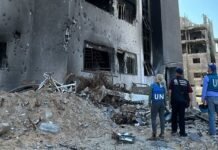
In addition to individual attacks, evidence suggests a broader strategy involving indiscriminate killings of civilians. Mass graves have been uncovered, serving as harrowing reminders of the scale of violence and the extent of suffering endured by the people of Darfur. The establishment of these graves reflects not only the tragic loss of life but also signals an attempt to conceal the evidence of such egregious acts.
To substantiate these claims, various forms of evidence have been collected. Multimedia sources, including videos showing the aftermath of attacks, are instrumental in corroborating the accounts of victims and witnesses. Furthermore, satellite imagery has provided valuable insights into the destruction of villages and the establishment of mass graves, revealing the premeditated nature of these violations. This visual evidence serves as a crucial tool for human rights organizations and international bodies advocating for accountability and justice for the victims in Darfur.
ICC’s Progress and Challenges in Addressing the Crisis
The International Criminal Court (ICC) has made noteworthy strides in addressing the crisis in Darfur, a region plagued by severe human rights violations and conflict. Since the issuance of arrest warrants for key Sudanese figures, including former President Omar al-Bashir, the ICC has embarked on significant investigations aimed at bringing justice to the victims of these atrocities. Notably, the court has secured convictions that underscore its commitment to accountability, sending a strong message that those responsible for war crimes will be pursued regardless of their status.
In recent years, the ICC has gathered substantial evidence supporting its cases, enhancing its ability to prosecute individuals implicated in the Darfur crisis. This progress is critical, as it not only seeks to bring perpetrators to justice but also serves to deter potential future crimes by demonstrating the ICC’s determination to uphold international law. Furthermore, the court’s findings have contributed to raising global awareness of the ongoing humanitarian issues in Sudan, galvanizing support from the international community.
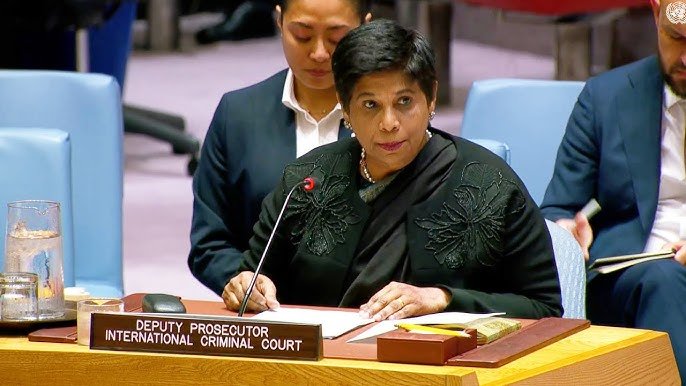
However, the ICC faces numerous challenges that hinder its effectiveness in addressing the ongoing crisis. Access issues have emerged as significant hurdles, particularly for the court’s deputy prosecutor who requires on-ground assessments to gather firsthand evidence and testimonies. In addition, the denial of visas to ICC officials by the Sudanese authorities presents a practical impediment to conducting thorough investigations. These challenges underscore the complex dynamics of international justice, where political motivations can obstruct the pursuit of accountability.
The ICC’s work in Sudan is further complicated by the need for robust international support. Collaborative efforts among nations can play a vital role in ensuring that the court is not isolated in its mission. Countries that actively support ICC investigations can facilitate access to evidence, provide necessary resources, and apply pressure on Sudan to cooperate fully with the judicial process. The ICC’s effectiveness in navigating these challenges will ultimately determine its success in addressing the grave issues stemming from the Darfur crisis.
The Response from the United Nations Security Council
The ongoing situation in Sudan has garnered significant attention from the United Nations Security Council (UNSC), reflecting the international community’s concern over the escalating violence and human rights violations. In recent sessions, various UNSC members have articulated their positions, emphasizing the need for a coordinated response. The council’s discussions have highlighted a range of perspectives, with some member states advocating for robust measures in support of the International Criminal Court (ICC). This backing is crucial, as it directly impacts the ICC’s ability to pursue justice for the victims of the atrocities committed during the conflict.
Several countries within the UNSC have expressed strong support for the ICC’s mandate, which includes investigating and prosecuting those responsible for war crimes and crimes against humanity in Sudan. This endorsement underscores a growing recognition of the ICC’s role in holding perpetrators accountable and fostering a path towards justice. Simultaneously, calls for targeted sanctions against individuals responsible for violence have emerged, signifying a desire for immediate accountability, complementing the ICC’s long-term judicial efforts.
The necessity for a unified stance from the UNSC is paramount, especially when addressing the dire humanitarian conditions affecting millions in Sudan. In light of this, member states are discussing possible measures that could reinforce the ICC’s operations, such as collaborative partnerships and increased funding. Additionally, the UNSC has acknowledged the importance of engaging regional actors to create a comprehensive strategy aimed at stabilizing the situation in Sudan. Moving forward, the council’s ability to advocate for the ICC’s work will be critical in ensuring that justice prevails for the victims and in deterring future violations of international law.