















The practice of iftar, a meal consumed after sunset during the holy month of Ramadan, holds profound significance within Islamic tradition. It symbolizes not only the end of fasting for the day but also embodies the values of community and generosity. The act of breaking fast together fosters a spirit of unity, establishing a bridge of understanding and respect among diverse cultural and religious backgrounds. In Turkey, iftar meals are traditionally communal, encouraging inclusivity and hospitality, inviting people from all walks of life to share in the experience.
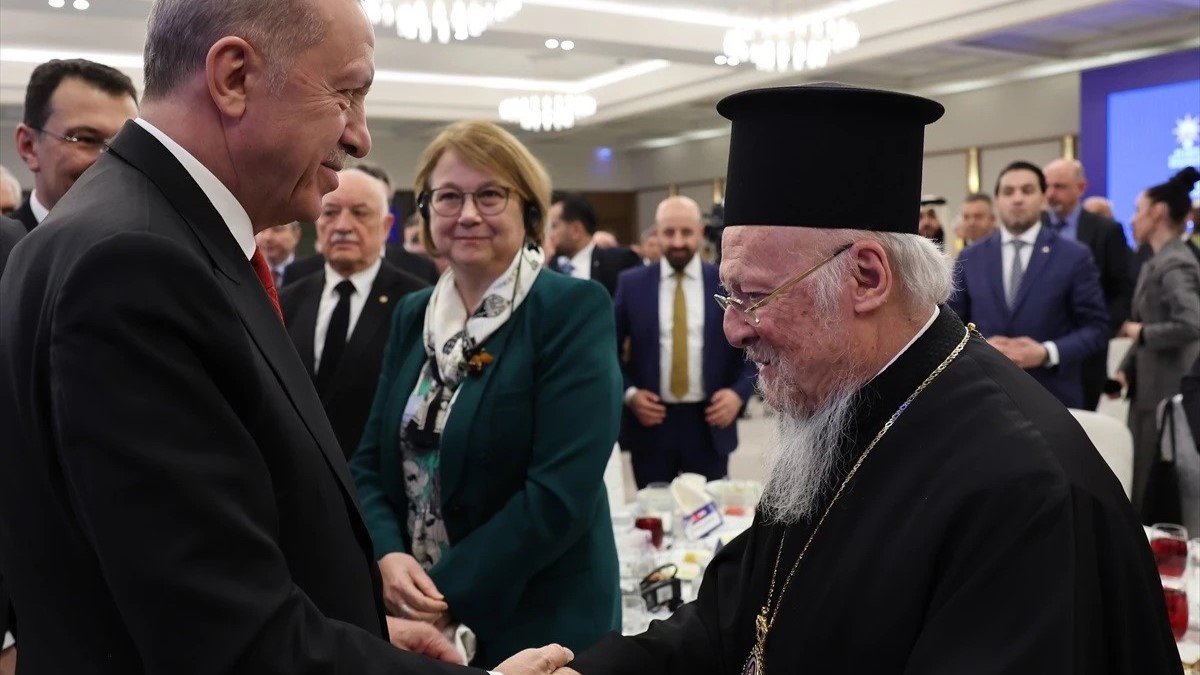
This year, the invitation extended by President Recep Tayyip Erdoğan to Ecumenical Patriarch Bartholomew represents a notable step towards enhancing interfaith dialogue. The patriarch, as the leading figure of the Eastern Orthodox Church, plays a crucial role in promoting mutual respect and understanding among different faiths. The gesture of inviting the Ecumenical Patriarch to join the iftar not only highlights the importance of inclusivity but also underscores Turkey’s commitment to fostering harmonious relations among its religious communities.
The significance of this invitation extends beyond a simple meal. It reflects a broader commitment to recognizing and valuing the contributions of various religious groups within the Turkish society. The interaction at such events can lead to greater cultural exchange and mutual understanding, elements that are essential in a multi-faith country like Turkey. By sharing in the iftar experience, President Erdoğan and Patriarch Bartholomew contribute to a narrative that seeks to embrace diversity and promote peace.
Details of the Iftar Dinner Event
On the evening of March 10, 2026, an iftar dinner was held at the presidential palace in Ankara, marking a significant occasion for religious leaders and members of the community to come together in a spirit of unity. The beautifully decorated venue was adorned with traditional motifs, enhancing the atmosphere that was both solemn and celebratory. The setting provided a fitting backdrop for the gathering, which aimed to foster dialogue and understanding among diverse faiths.
Among the esteemed attendees was Ecumenical Patriarch Bartholomew, who is a prominent figure in the Orthodox Christian community. His presence underscored the event’s commitment to bridge-building and the promotion of interfaith relations. Other notable figures included prominent Islamic leaders, government officials, and representatives from various religious organizations, each participating in the evening’s activities with an open heart and mind.
The dinner featured a variety of traditional dishes, symbolizing generosity, hospitality, and the richness of cultural diversity. As the guests broke their fast together, it was evident that this gathering was not just about sharing a meal but also about nurturing mutual respect and solidarity among the different faiths represented. Speeches delivered during the event highlighted themes of peace, coexistence, and the importance of dialogue in overcoming societal challenges. The heartfelt words from the speakers resonated with attendees, reaffirming their commitment to working together for a harmonious future.
The atmosphere was filled with warmth and camaraderie, showcasing how shared values can transcend differences. This iftar dinner, therefore, served not only as a meal but as a vital platform for fostering understanding, emphasizing the shared responsibility of religious leaders to promote peace and dialogue within their communities. As the evening progressed, it became clear that events like this are crucial in the ongoing pursuit of harmony and collaboration among diverse religious traditions.
Ecumenical Patriarch’s Message and Significance
During the iftar dinner held in Ankara, Ecumenical Patriarch Bartholomew delivered a heartfelt message that resonated with attendees, including notable figures such as President Erdoğan. His address not only acknowledged the significance of the month of Ramadan but also extended his warm wishes to the Muslim community in Turkey. This gesture symbolizes the spirit of unity and respect between different religious traditions, embodying a commitment to fostering harmonious relationships among diverse societal groups.
The Ecumenical Patriarch highlighted the importance of interfaith dialogue as a fundamental pathway towards achieving peace and understanding within society. His words served as a reminder that mutual respect and collaboration between religious communities are essential, particularly in times of social and political challenges. Bartholomew’s intention to reach out to the Muslim community is significant, as it emphasizes a shared commitment to fundamental human values such as compassion, tolerance, and coexistence.
The implications of his message extend beyond the walls of the iftar venue, as it contributes to a broader dialogue promoting religious pluralism. Ecumenical Patriarch Bartholomew’s presence at such events reinforces the role of religious leaders as mediators and advocates for peace. His appeal for unity is particularly relevant in a world increasingly characterized by division. By fostering dialogue between the Christian and Muslim communities, he encourages collaborative efforts toward overcoming misunderstandings and hostility.
In essence, the message delivered by Ecumenical Patriarch Bartholomew at the iftar dinner emphasizes the importance of understanding and collaboration in a diverse society. His outreach to the Muslim community illustrates a powerful example of how shared values can foster resilience and harmony. This gathering serves not only as a religious observance but also as a catalyst for ongoing dialogue aimed at enhancing interfaith relations and maintaining a peaceful coexistence.
Comparative Overview of Parallel Events
The recent iftar dinner attended by Ecumenical Patriarch Bartholomew in Ankara holds significant parallels to an official dinner hosted the day prior by the ruling party’s foreign affairs committee. While both events aimed to promote community relations and religious dialogue, they differed in terms of their representation and overall objectives.
The iftar dinner, a traditional meal to break the fast during Ramadan, was a crucial moment for the Ecumenical Patriarchate to showcase its commitment to fostering interfaith cooperation. Represented by Metropolitan Joachim of Prousas, the patriarchate emphasized the importance of inclusivity among diverse religious communities in Turkey. The presence of the patriarchate at this iftar signified a tangible effort toward promoting harmonious relations among residents and fostering a spirit of unity in a nation characterized by its rich tapestry of religious beliefs.
On the other hand, the dinner hosted by the ruling party’s foreign affairs committee served as a platform to strengthen political alliances and promote the government’s stance on religious acceptance. While it featured various representatives from different sectors of Turkish society, including religious leaders, the focus leaned more towards political solidarity and establishing a collective front in support of government initiatives.
Both events thus contribute to ongoing dialogues on religious unity and community engagement in Turkey, albeit from different vantage points—one emphasizing the spiritual and interfaith approach, while the other underscored a political context. The convergence of these gatherings illustrates the multifaceted nature of community relations in Turkey, reflecting a shared desire among religious and political leaders to cultivate environments where cooperation and understanding can flourish.