

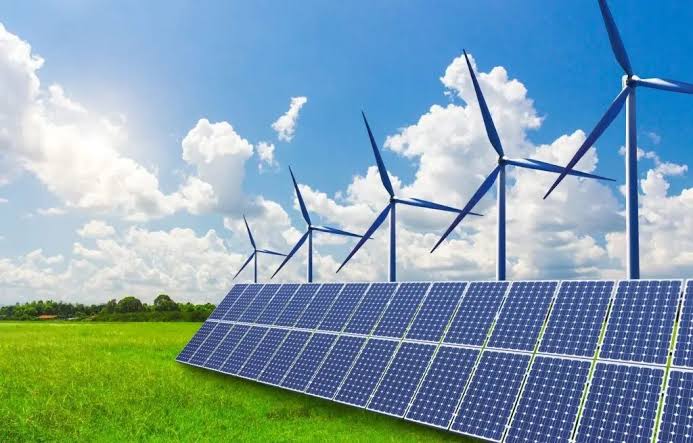
Overview of Greek Energy Landscape
The energy sector in Greece has experienced significant evolution over the past decade, characterized by a mix of traditional fossil fuels and an emerging emphasis on renewable energy sources. Major players in this landscape include the Public Power Corporation (PPC), which is the largest producer and supplier of electricity in the country, alongside several independent power producers that are increasingly contributing to the energy mix. Additionally, the regulatory framework established by the Greek Government and the European Union plays a crucial role in shaping policies aimed at achieving sustainability and compliance with climate targets.
Greece sits in a strategically advantageous location within the European energy market. The nation’s geographical position allows it to act as a connector between Europe, the Balkans, and the Eastern Mediterranean. This has led to initiatives such as the TAP (Trans Adriatic Pipeline) and the IGB (Interconnector Greece-Bulgaria), which are pivotal in diversifying energy sources and enhancing energy security for both Greece and the wider region. The Greek government is actively pursuing policies to reduce reliance on imported fossil fuels and increase the share of renewables in the energy mix, aligning with broader EU directives to combat climate change.
The electricity production landscape is gradually shifting toward renewables, particularly solar and wind energy. Greece’s excellent solar irradiation and diverse wind patterns have made these sectors highly attractive for investment. This transition not only supports energy independence but also aims to meet Greece’s ambitious targets for reducing greenhouse gas emissions while enhancing energy efficiency. Furthermore, the rise of energy consumption trends reflects growth in both the residential and industrial sectors, necessitating a robust energy distribution network to support future demand.
Innovative Projects in the Energy Sector
Greek energy companies have made significant strides in recent years, spearheading innovative projects that not only enhance energy production and distribution but also align with both national and EU energy goals. One notable endeavor is the deployment of renewable energy sources, particularly solar and wind technologies, which have gained prominence due to Greece’s favorable climatic conditions. The introduction of advanced photovoltaic systems in various regions is optimizing solar energy capture, thus boosting the overall energy output. These initiatives contribute to reducing dependency on fossil fuels, showcasing Greece’s commitment to sustainability.
Moreover, several Greek firms have pioneered projects integrating smart grid technology. These systems allow for efficient energy distribution and management, utilizing digital communication technologies to monitor and respond to energy demand dynamically. By incorporating energy storage solutions alongside renewable sources, these businesses are transforming the traditional energy model into a more flexible and resilient framework. The implementation of energy management systems is expected to further enhance energy efficiency and reliability.
Collaboration between Greek startups and established energy institutions also plays a pivotal role in these developments. For instance, innovation hubs are being fostered to explore cutting-edge technologies such as hydrogen fuel cells and energy-efficient battery systems. Such initiatives are not just pivotal in achieving energy independence; they also promise to stimulate local economies by creating jobs and attracting investments.
These innovative projects resonate with broader EU objectives, particularly in striving for a carbon-neutral economy by 2050. The outcomes from Greece’s energy initiatives hold the potential to serve as a model for other regions, exemplifying how local efforts can significantly contribute to global sustainability goals and drive positive impacts within communities.
Challenges and Opportunities Ahead
The energy sector in Greece faces a multitude of challenges that can significantly impact the performance and growth potential of its companies. One of the most pressing issues is navigating the regulatory landscape, which can often be complex and subject to rapid changes. For instance, energy firms are required to comply with both national regulations and European Union directives, putting them under constant pressure to adapt to new compliance requirements. This environment may occasionally stymie innovation and investment as companies work to ensure adherence to the legal frameworks.
Market competition is another key challenge. With an increasing number of players entering the energy market, Greek companies must adopt competitive strategies to maintain their market share. This competition fosters innovation but can also lead to volatile pricing, potentially jeopardizing the financial health of smaller firms that struggle to compete against well-established entities with greater resources. Furthermore, being located in a developing energy market presents unique hurdles where the demand for energy infrastructure and modernization continues to grow.
Despite these challenges, opportunities are emerging. The pursuit of sustainable practices is at the forefront of energy initiatives, encouraging firms to form partnerships aimed at developing renewable energy sources. Collaborations between private companies and government entities can pave the way for shared investments and knowledge, opening new avenues for technological advancements. Additionally, the global shift towards sustainability presents the Greek energy sector with opportunities to engage in new markets, leveraging the country’s geographical advantages and existing capabilities to join international renewable energy projects.
Ultimately, while there are significant challenges facing Greek energy companies, these hurdles also present a unique set of opportunities that can lead to innovation and growth within the sector, markedly enhancing its long-term viability.
Future Outlook and Strategic Vision
As the global energy landscape continues to evolve, Greek companies are strategically positioning themselves to meet the challenges and opportunities presented by advancements in energy initiatives. Interviews with industry leaders reveal a common sentiment: the future of energy in Greece hinges on innovation, sustainability, and collaboration. Companies are focusing on developing robust strategies that aim to not only respond to domestic energy demands but also to capitalize on international trends.
One of the key strategies highlighted by executives involves a significant investment in renewable energy technologies. This includes solar and wind energy as primary focuses, given Greece’s vast natural resources. Leaders believe that by enhancing their capabilities in these areas, Greek companies can establish a competitive edge within the European energy market, particularly as the EU pushes towards achieving its carbon neutrality goals by 2050.
Moreover, several industry experts emphasized the role of technological advancements in shaping the future landscape. Smart grid technologies, energy storage solutions, and advanced data analytics are poised to revolutionize how energy is not only produced but also consumed. The integration of these technologies could lead to increased efficiency, reduced operational costs, and improved energy management across the board.
Partnerships and collaborations are also anticipated to play a pivotal role in the strategic vision of Greek energy companies. By engaging with research institutions, innovative startups, and international organizations, they can enhance their innovation capabilities and accelerate the development of new solutions. These partnerships are expected to foster the exchange of knowledge and best practices, essential for navigating the complexities of the energy transition.
In conclusion, the strategic outlook for energy in Greece appears to favor a future characterized by innovation and collaboration. As these companies adapt to meet emerging challenges, they are also well-positioned to contribute to global sustainability goals while ensuring energy security and economic growth at home.