
The Significance of the Tivat Summit
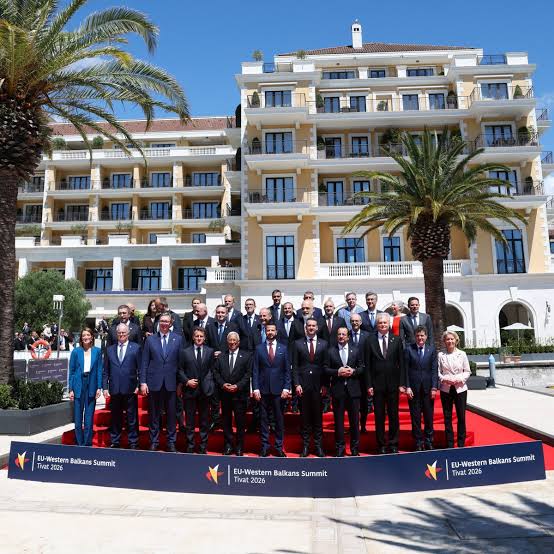
The Tivat 2026 Summit represents a pivotal event in the evolving geopolitical landscape of Europe, particularly concerning the relationship between the European Union (EU) and the Western Balkans. Set against a backdrop of historical fluctuations within the region, this summit emerges as a potential turning point for EU enlargement initiatives. The significance of the Tivat Summit is underscored by the complex historical ties between the region and European powers, leading to questions about future collaboration and integration.
As the EU continues to grapple with internal divisions and challenges stemming from past enlargement processes, the need for a cohesive strategy towards the Western Balkans has become increasingly urgent. The region, characterized by a history of political instability and economic challenges, is at a crossroads, seeking integration while navigating the diverse perspectives of EU member states. This summit could facilitate dialogue aimed at reconciling differing opinions within the EU, thus promoting a more unified approach to enlargement.
Moreover, the decisions made during the Tivat Summit are likely to shape future relations between the EU and the Western Balkans significantly. As the geopolitical dynamics in Eastern Europe evolve, the potential for the EU to establish a framework that fosters stability in the region becomes critical. By addressing issues such as economic development, security cooperation, and democratic reforms, the summit holds the promise of providing a pathway for the Western Balkans towards deeper integration into the European family.
In this context, the Tivat Summit is not merely about addressing immediate concerns; it offers a strategic venue for rethinking Europe’s approach to its eastern neighbors. It stands as a testament to the urgency of building bridges and fostering a collaborative future between the EU and the Western Balkans, potentially marking a significant step forward in regional stability and cooperation.
Phased Integration vs. Conventional Enlargement
The concept of phased integration offers a distinct alternative to traditional enlargement within the European Union (EU) framework. This model primarily seeks to address the challenges presented by the existing enlargement processes, which often prolong candidate countries’ accession due to stringent decision-making mechanisms. In recent discussions, regional leaders, including influential figures such as Edi Rama, Prime Minister of Albania, and Aleksandar Vučić, President of Serbia, have illustrated how limited sovereignty in decision-making could pave the way for a more inclusive and effective integration process.
Phased integration posits that new EU members could assign certain powers to the EU, albeit temporarily, during the integration phase. This limited delegation of authority would allow the EU to implement strategic decisions about economic, social, and political reforms without the necessity of unanimous approval from all member states—a common bottleneck in conventional enlargement procedures. By adopting this model, the EU aims to facilitate a smoother accession process for Western Balkan countries and break the stalemate that often arises from strict consensus-based decision-making.
The implications of implementing phased integration for the Western Balkans are immense. Should this model gain traction, it could accelerate the region’s pathway to EU membership, fostering cooperation and reducing regional tensions. As articulated by leaders like Edi Rama, this approach could instill a sense of urgency and commitment among both the EU and the aspiring member states to push forward necessary reforms while overcoming historic grievances. Additionally, addressing the concerns of citizens in these countries regarding EU accession could become more feasible, supporting a shared vision of European integration.
Geopolitical Forces and Internal EU Dynamics
The ongoing enlargement of the European Union (EU) reflects not only internal dynamics but also the significant influence of external geopolitical pressures. This interplay becomes particularly pronounced when considering the distinct narratives surrounding Ukraine’s accession compared to those regarding the Western Balkans. The events that have unfolded in Ukraine have garnered heightened EU attention, prompting a more robust conversation about rapid integration. Conversely, the Western Balkans, despite facing similar challenges, seem to be navigating a much slower path toward EU membership.
Within the EU, differing perspectives on the enlargement process contribute to a complex internal dynamic. Notably, Germany’s cautious approach emphasizes a comprehensive assessment of candidate readiness, highlighting concerns over governance, rule of law, and regional stability. In contrast, Hungary advocates for accelerated integration, reflecting a belief that a quicker enlargement could enhance regional security and counteract external influences, particularly from Russia and China. This divergence of thought among EU member states underscores the challenging consensus-building required when considering potential new members.
Moreover, the increasing strategic presence of Russia and China in the Western Balkans complicates the EU’s enlargement discussions. Both countries have been proactive in expanding their influence through economic investments and political alliances, raising concerns within the EU about maintaining relevance and security in a rapidly shifting geopolitical landscape. As the EU contemplates its role in the region, this competition not only affects the potential for enlargement but also highlights the critical need for the EU to reevaluate and reform its approach to candidate countries.
In summary, the contrasting narratives surrounding the EU’s engagement with Ukraine and the Western Balkans, coupled with the diverse positions of EU member states, reveal the significant geopolitical forces at play. It becomes essential for the EU to navigate these internal challenges while acknowledging and responding effectively to external pressures in a bid to foster a cohesive and strategic approach to enlargement.
The Road Ahead: Challenges and Opportunities
The Tivat 2026 Summit presents both challenges and opportunities for the European Union and the Western Balkans. As discussions unfold regarding the phased integration proposal, it is essential to consider the political will within the EU to implement these concepts effectively. The extent of commitment from EU member states will be crucial in determining the speed and success of integrating Western Balkan nations into the European framework.
A significant challenge lies in addressing the differing levels of commitment among EU member states towards enlargement. While some countries prioritize expanding the Union, others may exhibit reluctance due to economic or political concerns. This lack of cohesion can delay vital reforms and the integration process for the Western Balkans, potentially leading to greater instability in the region. It is crucial for EU institutions to foster a sense of urgency in developing cohesive strategies that promote stability and prosperity in the Balkans, rather than allowing for prolonged stagnation.
Slovenia’s role as a mediator in this process is particularly noteworthy. Its historical ties and geographical proximity to the Western Balkans position Slovenia as a critical player in facilitating dialogue and consensus-building among EU member states and Balkan countries. By taking an active approach, Slovenia can help bridge the gaps and ensure that the unique concerns of the region are prioritized in EU policy discussions.
Furthermore, the need for decision-making reform within the EU cannot be overstated. Streamlined processes and transparent communication will enhance the effectiveness of enlargement strategies, allowing for timely responses to regional challenges. This reform is imperative to foster confidence and encourage democratic governance in potential candidate countries, ultimately leading to regional stability and EU cohesion.