





















Overview of Greece’s Objections to EU Sanctions
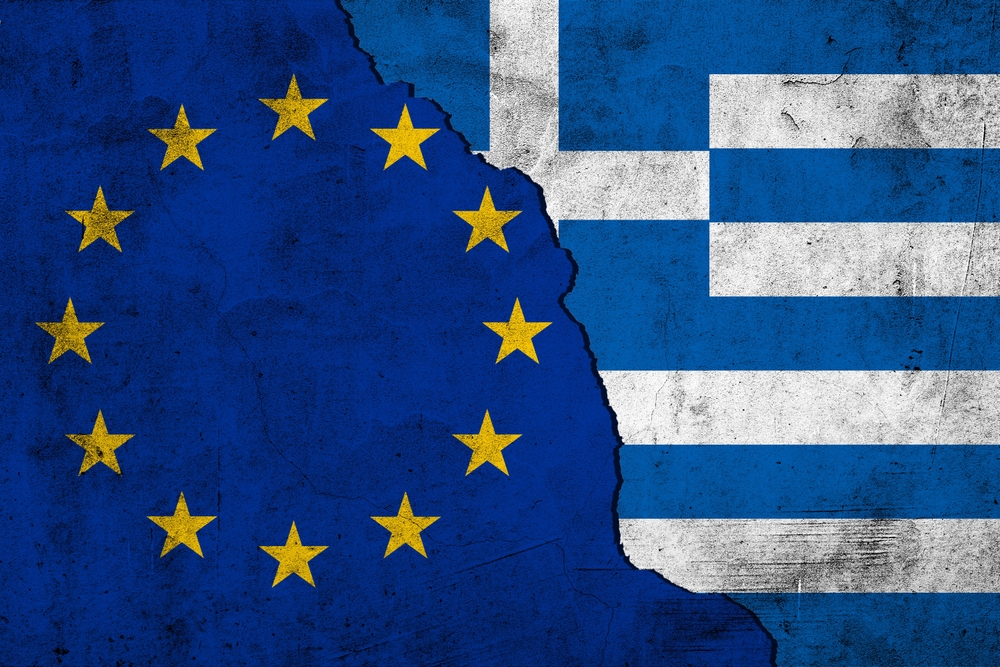
The European Union’s recent proposal to impose a new sanctions package on Russia following its invasion of Ukraine has elicited significant objections from Greece. Greek officials have expressed serious concerns regarding the potential economic ramifications of these sanctions, particularly for the Greek shipping industry, which is heavily reliant on a stable international trade environment. One of the most immediate concerns is the impact on Dynagas, a prominent Greek shipping company that specializes in the transportation of liquefied natural gas (LNG).
The sanctions, designed to tighten economic pressure on Russia, aim to limit its access to financial markets and restrict various sectors of the economy. However, Greek officials argue that the measures could severely hinder Dynagas’s operations and, by extension, the entire Greek maritime sector. Specifically, the restrictions on shipping services and trade with Russian entities could render the company vulnerable, potentially leading to operational losses and a decline in employment opportunities in the shipping industry.
Greek officials also highlight the uniqueness of their shipping operations, as Greece holds a significant position in global maritime trade. Given that the nation’s economic landscape is intricately linked to shipping, the implications of these sanctions extend beyond mere financial losses; they threaten the very livelihood of many families in Greece, whose income depends on shipping-related jobs.
Moreover, the requirement for unanimous approval from all EU member states to enact such sanctions adds another layer of complexity to the debate. Greece’s hesitation is underscored by its desire to balance EU solidarity with the urgent need to protect its own national economic interests. This situation positions Greece at a critical juncture, as the country evaluates the repercussions of endorsing sanctions that could irreparably harm one of its key industries.
The Role of Dynagas in the LNG Shipping Industry
Dynagas, a prominent player in the liquefied natural gas (LNG) shipping sector, holds a unique position within the global landscape of energy transportation. The company is equipped with a specialized fleet of Arc7 ice-class vessels, designed to navigate the harsh Arctic conditions encountered during LNG deliveries. This significant operational capability primarily facilitates the transportation of LNG from Russia’s Yamal LNG project, a critical node in the global energy supply chain.
Since 2025, Dynagas has established itself as a key transporter of Russian LNG, achieving remarkable volumes. The company’s ice-class vessels are not only technologically advanced but are also crucial in ensuring year-round access to the Arctic shipping routes that connect the Russian LNG reserves to markets in Asia and Europe. This specialization enables Dynagas to execute its operations more efficiently, underscoring its strategic importance in the LNG market.
The operational excellence of Dynagas can be attributed to its focus on niche markets within the LNG industry. With a business model centered on the safe and reliable transportation of LNG, the company has adapted to the changing dynamics of the global energy market. By leveraging its specialized fleet, Dynagas not only safeguards its position within the shipping segment but also provides significant value to its clients, who depend on timely and secure LNG supplies.
However, the ongoing geopolitical tensions and sanctions imposed on Russia present challenges for Dynagas. As it continues to navigate these complex waters, the implications for the company’s business model and long-term strategies will undoubtedly be closely examined by industry analysts and stakeholders alike.
Economic Implications of the Proposed Ban on Russian LNG Transport
The proposed ban on transporting Russian liquefied natural gas (LNG) to third countries presents significant economic challenges for Greek shipping, particularly for enterprises like Dynagas. This ban may result in a substantial shift in the operational landscape for Greek LNG carriers, especially those operating in the arc7 class, which are specifically designed to navigate the ice-covered waters of the Arctic. The arc7 vessels have been pivotal for transporting LNG from Russian production facilities and any abrupt cessation of these operations could have dire financial implications.
One of the most pressing issues arising from the sanctions is the difficulty in redeploying these specialized vessels to other trade routes. The arc7 vessels, with their unique design and technological specifications, cannot be easily redirected for alternative shipping tasks, which diminishes their operational flexibility. As a result, Dynagas may face the prospect of underutilization or idling of these vessels, leading to diminished revenue streams and increased maintenance costs.
Additionally, should the sanctions persist, Greek shipping companies may be compelled to sell their arc7 vessels at a loss to non-Western buyers, a scenario that could further erode the assets of these companies. The investment in the construction of LNG carriers is substantial, often amounting to hundreds of millions of euros. Thus, a forced sale could jeopardize not only corporate profits but also long-term shipbuilding relationships and future capacity within the sector.
Greek officials are actively advocating for a careful consideration of these factors in sanctions discussions, emphasizing the necessity for measures that protect Greek shipping interests. The overarching argument posits that while the sanctions aim to curtail geopolitical tensions, they must not inadvertently inflict undue harm on key sectors within Greece’s economy, especially in shipping where resilience and adaptability are crucial.
The Broader EU Context: Balancing Sanctions and Economic Interests
The European Union has grappled with the implementation of sanctions against Russia since the onset of geopolitical tensions following the annexation of Crimea in 2014, and more recently, the full-scale invasion of Ukraine in 2022. As EU member states strive to present a unified front, nations like Greece have voiced concerns regarding the economic implications of these sanctions, particularly on their substantial shipping industries. This scenario has raised pertinent questions about the efficacy of sanctions and the interplay between political resolve and economic realities.
Greece’s position is indicative of a larger challenge faced by EU states with significant trade and shipping sectors. The complexities inherent in balancing the objectives of imposing sanctions, which are meant to exert pressure on the Russian government, against the economic interests of member states illustrate a critical dilemma. While these sanctions are intended to signal solidarity and deter aggression, the ramifications for the shipping industry—especially in member countries reliant on maritime trade—cannot be disregarded.
As the EU negotiates the current sanctions package, the evolving landscape of these measures is of paramount importance. The Union aims to strike a balance where sanctions remain a credible tool for foreign policy while minimizing collateral damage to its own economies. Countries like Greece exemplify the friction between maintaining a tough stance against Russia and safeguarding their national economic interests. The outcomes of ongoing negotiations could lead to adjustments in the sanctions, reflecting the necessity for the EU to accommodate its diverse economic landscapes.
In conclusion, as member states navigate these complex dynamics, Greece’s objections serve as a reminder of the challenging task the EU faces in aligning its foreign policy goals with the economic realities of its member nations. Ultimately, the future of these sanctions will depend on a careful consideration of both their intended impact and the economic implications for countries that play a pivotal role in global trade.