

Introduction to the Nubian History Lecture
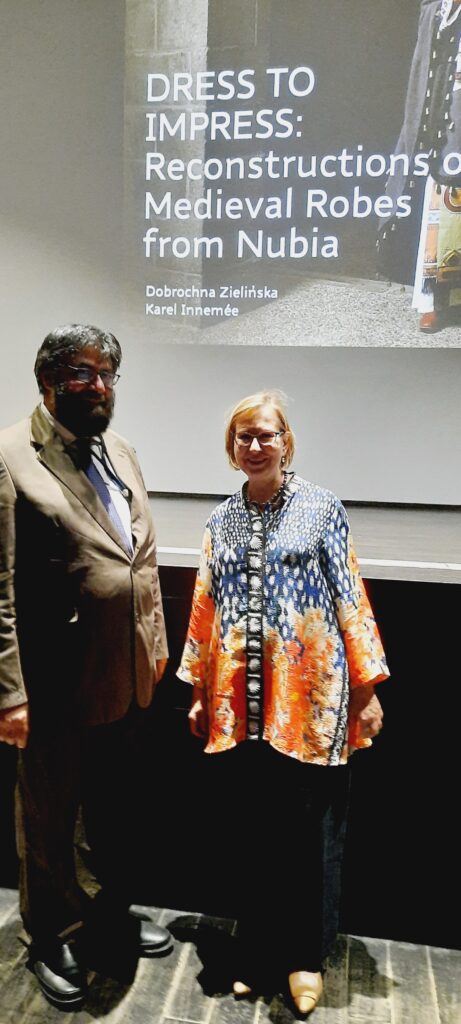
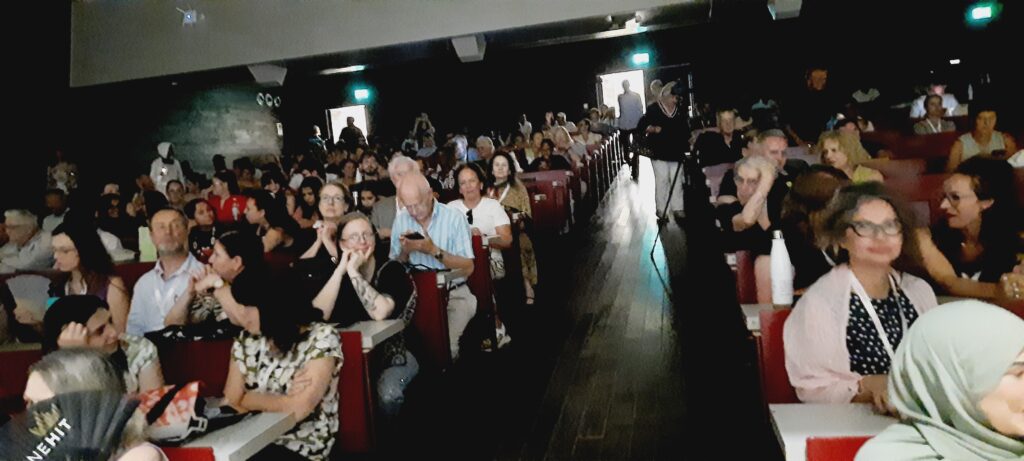
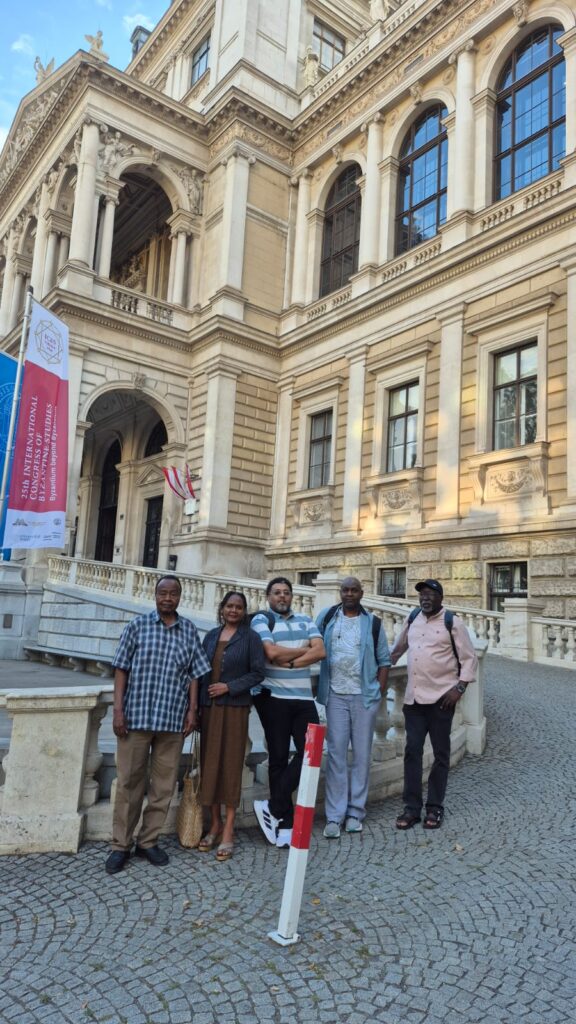
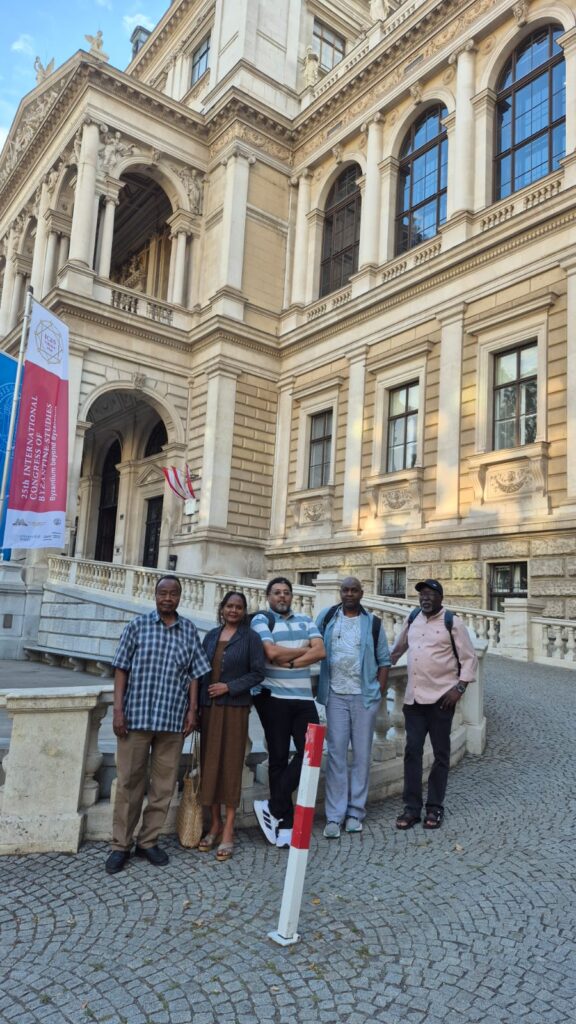
On August 27, 2026, the University of Vienna hosted a pivotal lecture centered on Nubian history, an event intricately linked to the 25th International Congress of Byzantine Studies. This symposium was not merely an academic exercise but a celebration of a rich cultural heritage that spans millennia, reflecting the enduring legacy of the Nubian civilization. The importance of such a lecture lies in its ability to foster a deeper understanding of the historical narratives that have shaped the region, which have often been overlooked in mainstream discussions.
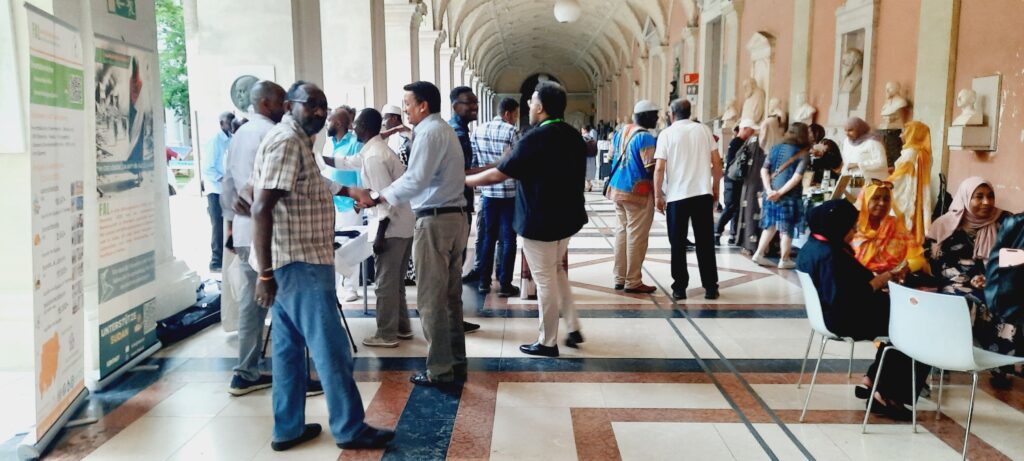
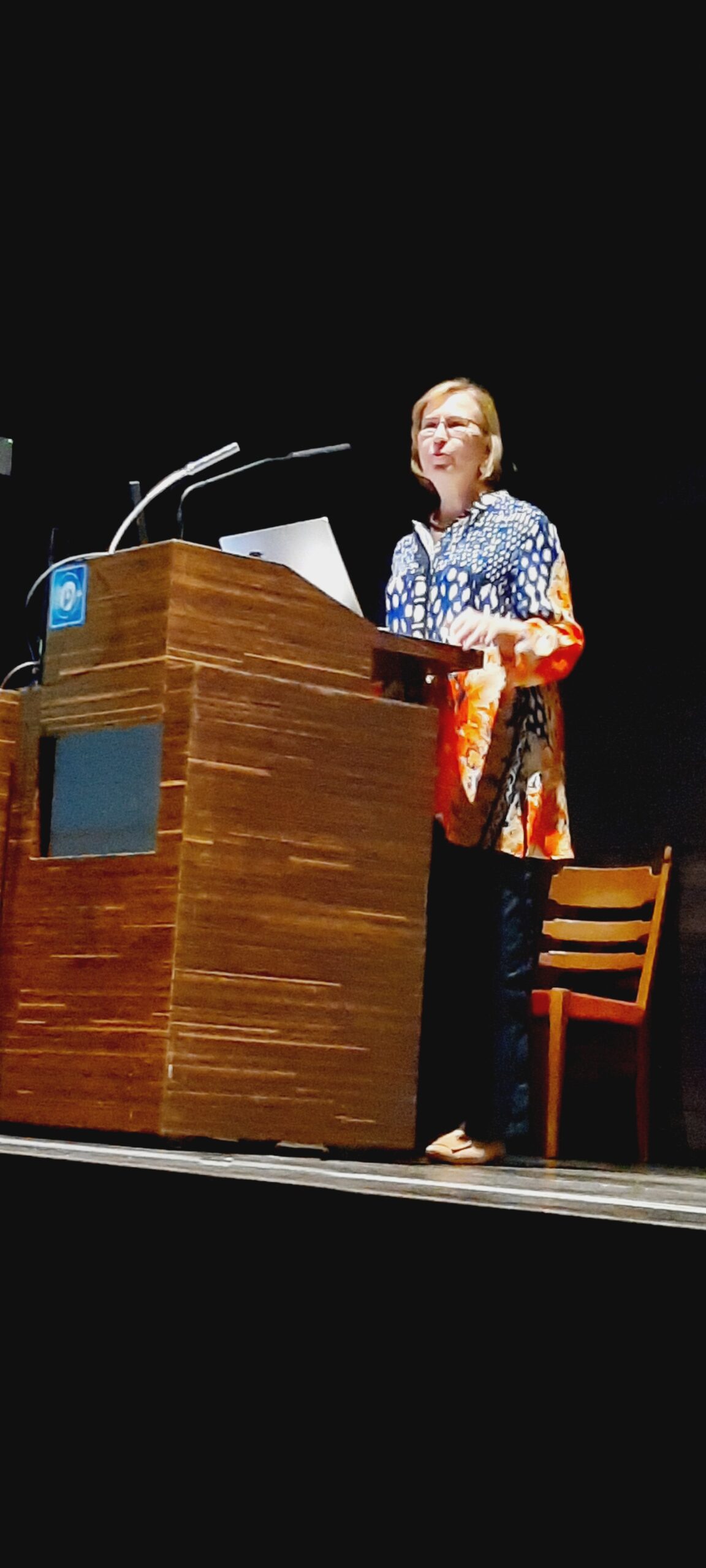
Professor Claudia Rapp, a prominent figure in the field, served as the chairperson for this significant event. Her expertise provided a valuable framework for the discussions, ensuring that the complexities of Nubian history were articulated with both clarity and depth. Under her leadership, scholars from various backgrounds came together to delve into the multifaceted aspects of Nubian culture, politics, and societal structures. The symposium also highlighted the influential role of the Sudanese community in Vienna, a group that has actively engaged in cultural exchanges and has contributed to the academic discourse surrounding Nubia.
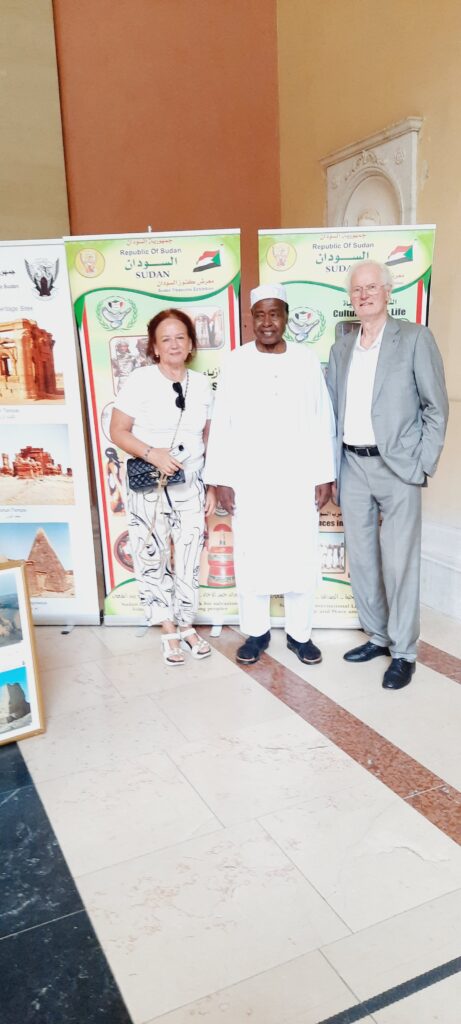
Eng. Abdalla Sharief, a key representative of this community, played a critical role in fostering a dialogue between the Sudanese diaspora and the academic world. His initiatives have not only elevated awareness of Nubian history within the diaspora but have also promoted cross-cultural understanding in a European context. By inviting various stakeholders to the symposium, Eng. Sharief and his community members underscored the significance of collaborative scholarship in the study of Nubian heritage.
The lecture thus served as a crucial intersection between academia and community engagement, emphasizing the need for continued exploration of Nubian history. It provided a platform for voices that resonate with the memories of this ancient civilization, advocating for further research and recognition of its contributions to the global historical narrative.
Reconstructing Royal and Religious Costumes
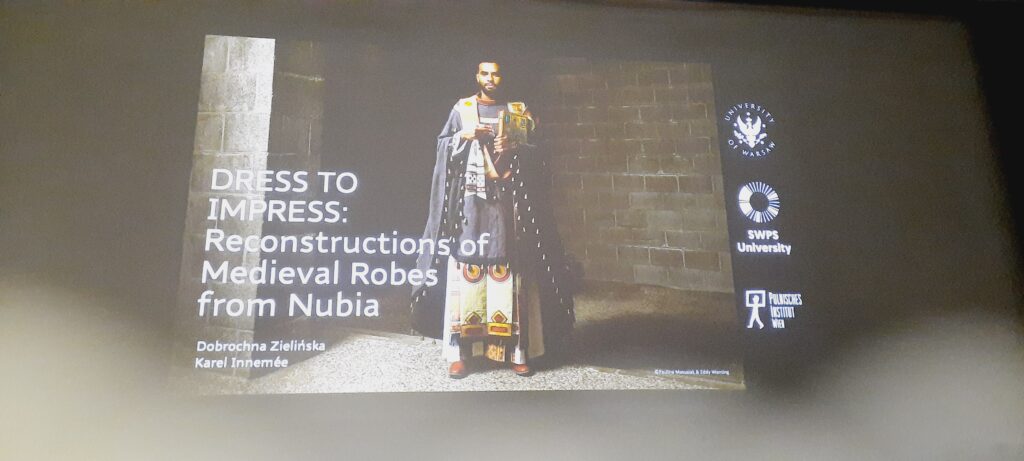
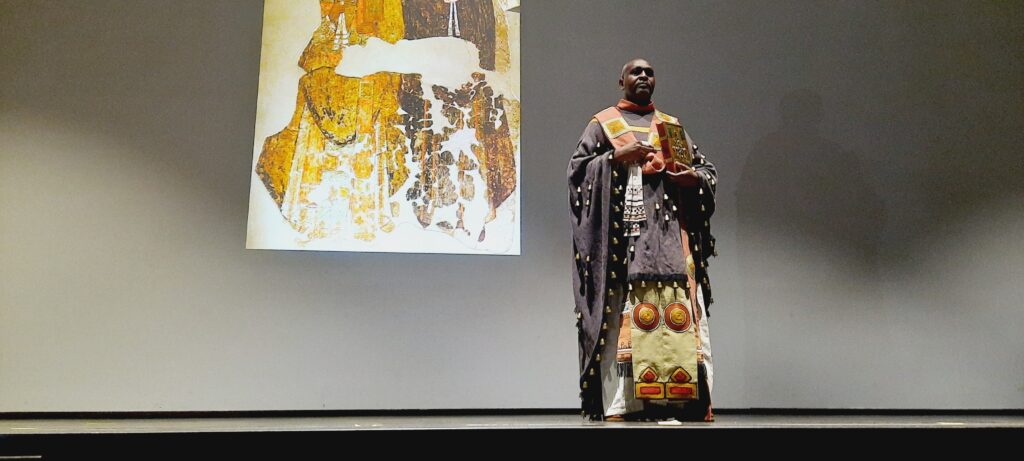
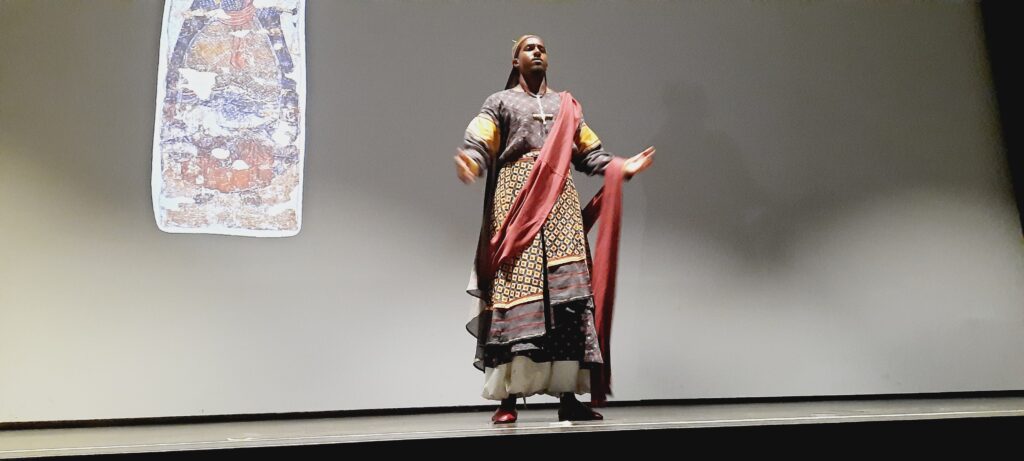
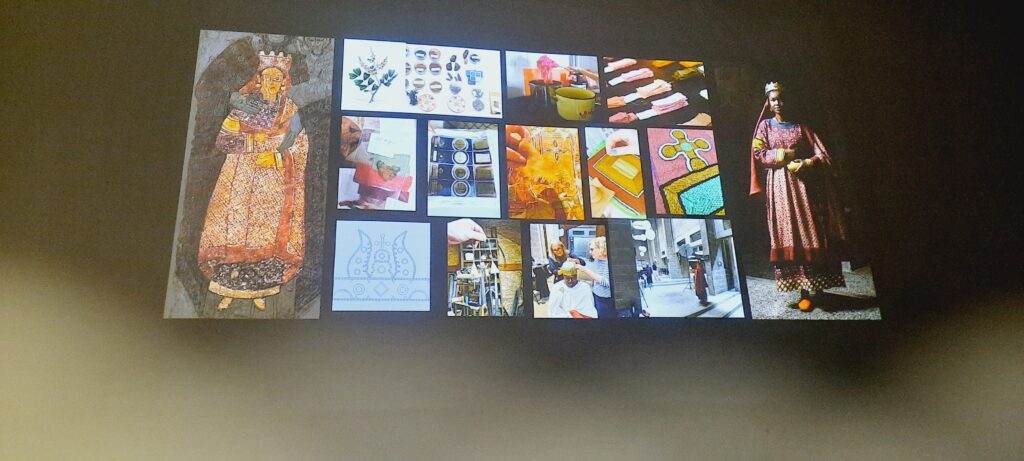
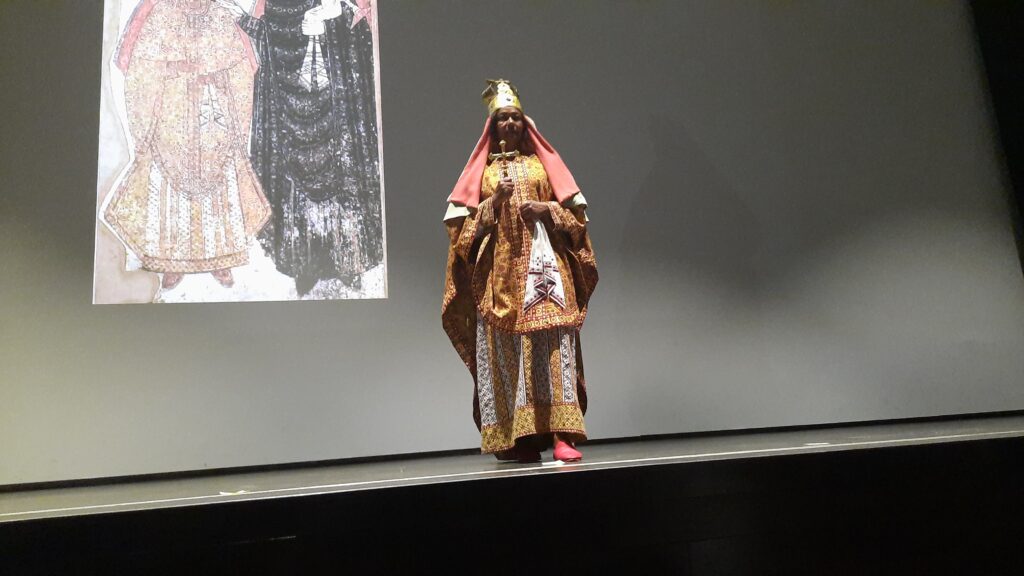
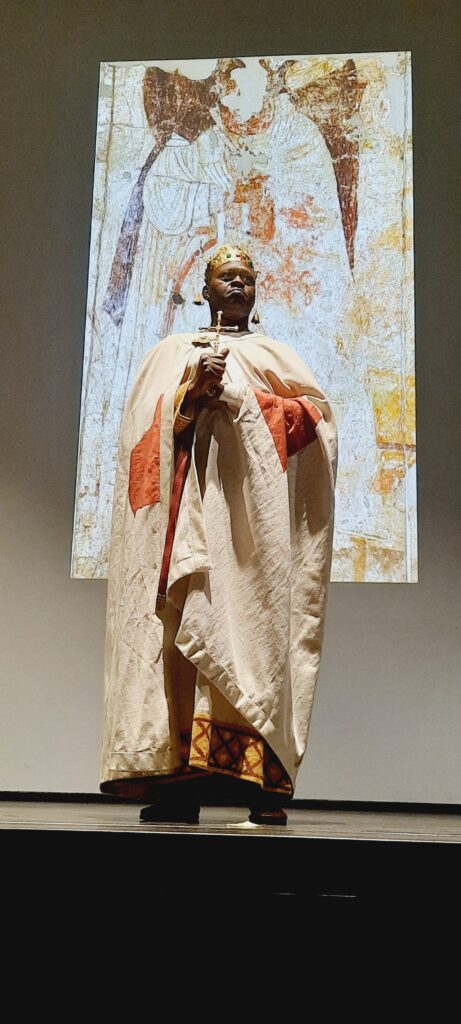
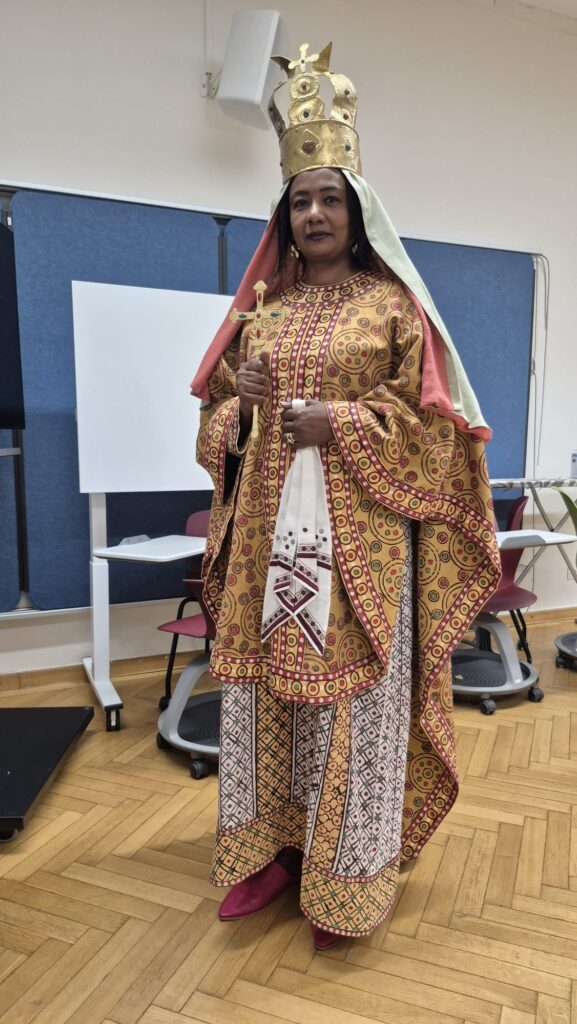
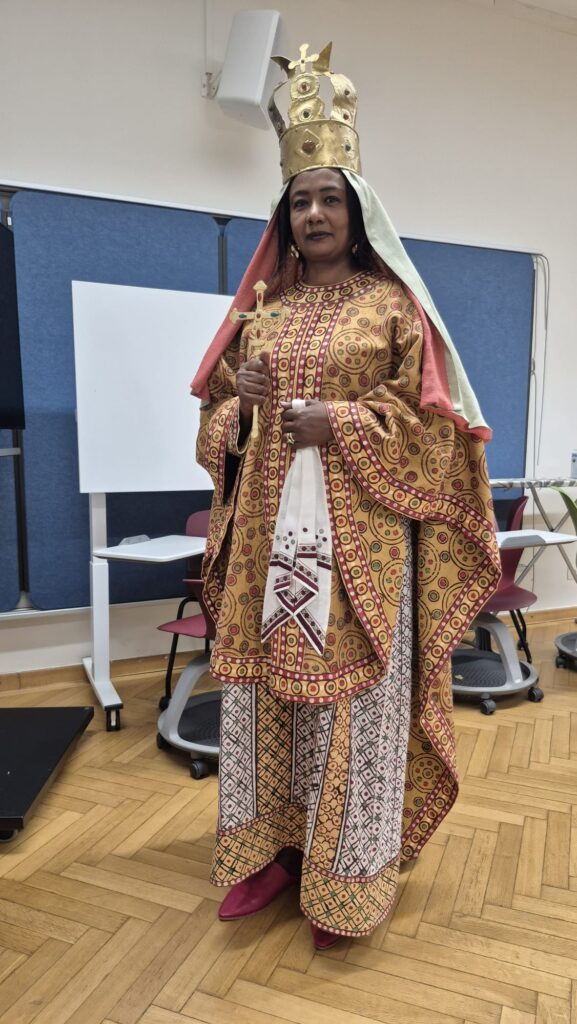
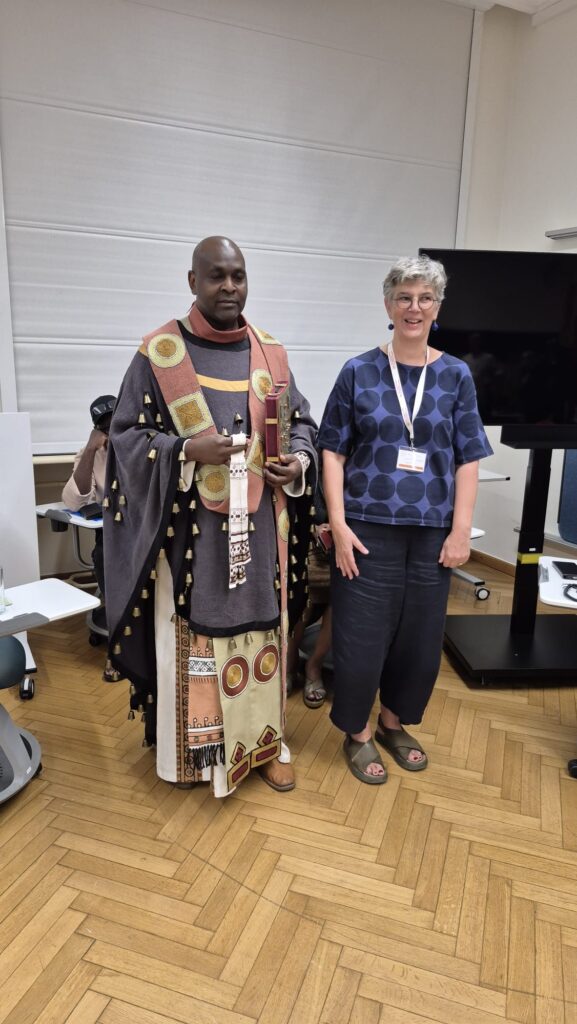
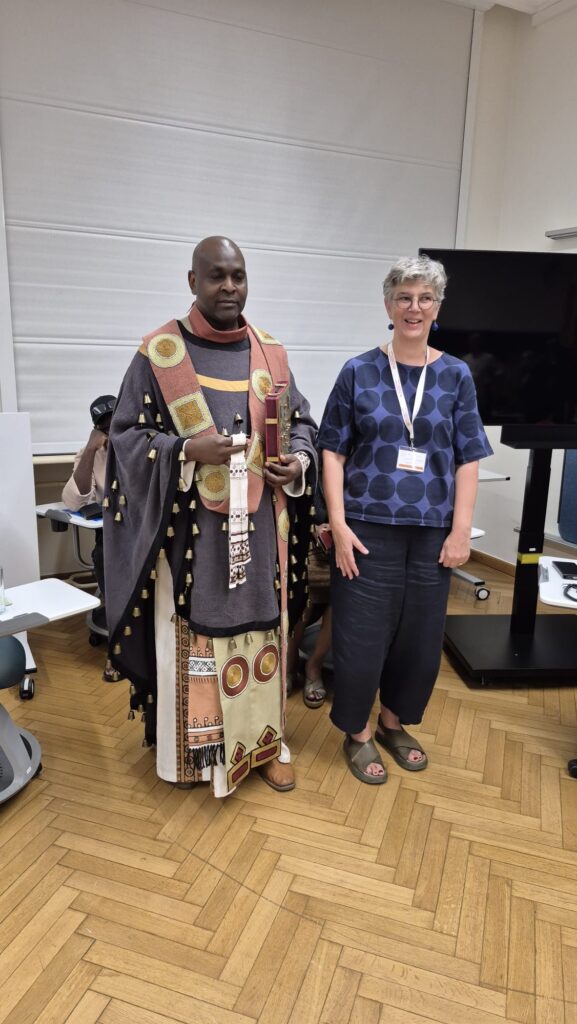
The lecture presented at the cultural symposium illuminated innovative research dedicated to the reconstruction of Nubian royal and ecclesiastical costumes from the medieval period. This endeavor relied heavily on a meticulous examination of wall paintings located in the Faras Cathedral, serving as vital visual sources for crafting historically accurate representations of these significant costumes.
The wall paintings, specifically, provided a remarkable glimpse into the attire worn by Nubian royalty and religious leaders, revealing not just the aesthetic qualities of the garments but also their cultural and symbolic significance. By utilizing these artistic depictions, the research team was able to piece together the intricate details of fabric patterns, colors, and ornamentation that were characteristic of Nubian attire during this vibrant historical period.
An integral aspect of this project was the collaboration between a multidisciplinary team comprising archaeologists, historians, and fashion designers. This collective effort ensured a comprehensive approach to the reconstruction process, combining archaeological evidence with contemporary design methodologies. The archaeologists contributed invaluable insights derived from extensive field studies and historical texts, while the designers translated these findings into tangible garments.
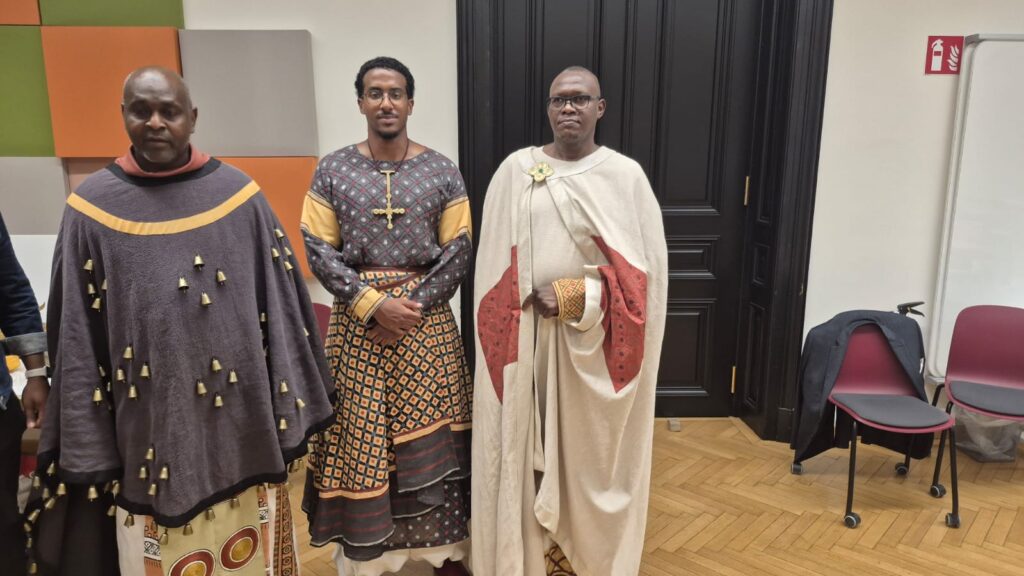
The culmination of their research resulted in a series of reconstructed costumes representing two kings, two royal mothers, and a bishop. Each costume not only reflected the individual identities and roles of these figures but also served as a testament to the rich cultural heritage of the Nubian civilization. The attention to detail in these reconstructions helps to bridge the gap between past and present, allowing for a deeper appreciation of Nubian history and the significance of its royal and ecclesiastical figures.
Through this innovative approach, the symposium shed light on the importance of interdisciplinary research in historical costume reconstruction, opening new avenues for understanding and experiencing Nubian heritage.
Experimental Archaeology and Cultural Insights
Experimental archaeology serves as a vital tool in understanding and recreating the material culture of ancient civilizations. This approach emphasizes practical experimentation to hypothesize how historical peoples, such as the Nubians, interacted with their environment, produced items, and maintained their cultural identities. The recent project at the University of Vienna showcases this interdisciplinary method, where collaboration between archaeologists and artists has fostered a deeper appreciation for Nubian aesthetics.
One significant aspect of this collaboration is the exploration of costume design, which has revealed the intricate influences of various cultures on Nubian fashion. The research indicates that Byzantine traditions and local practices intermingled to create a distinctive style that reflects not only the region’s heritage but also its adaptive nature over centuries. By reconstructing historical garments through experimental archaeology, researchers have gained insights into the materials, techniques, and symbolic meanings behind Nubian attire.
Moreover, the project’s public engagement component highlights the importance of involving the Sudanese diaspora in contemporary interpretations of Nubian culture. Through fashion shows and interactive workshops, participants are encouraged to engage with their heritage in meaningful ways. This inclusion allows for a collective exploration of identity, showcasing how traditional elements can be reinterpreted in modern contexts while preserving authentic cultural narratives.
As the project unfolds, it becomes evident that experimental archaeology not only enriches our understanding of Nubian history but also bridges academic inquiry with artistic expression. This melding of disciplines sheds light on the dynamic nature of cultural exchanges and the ongoing dialogue between past and present, ultimately enhancing the appreciation of Nubian contributions to the broader tapestry of history.
Fundamental Support and Cultural Connections
The successful organization of the symposium on Nubian history at the University of Vienna owes much to various funding sources that have facilitated this academic endeavor. Notably, the Polish National Science Centre has provided significant financial backing, thereby demonstrating a commitment to fostering interdisciplinary research that explores and preserves cultural heritage. This support has enabled scholars from diverse backgrounds to share their knowledge and insights on Nubian history, enriching the dialogue surrounding this important cultural narrative.
Additionally, the EU Horizon 2020 program has played a pivotal role by funding projects that promote collaboration across Europe and beyond. Such initiatives encourage partnerships between institutions, promote innovative research, and enable the exchange of ideas between scholars and communities. Through this framework, the symposium serves not only as an academic event but also as a platform for cultural exchange between Sudan and Europe.
Furthermore, the Hanoverian community in Vienna has been instrumental in showcasing Nubian heritage and promoting its significance within the European cultural milieu. Their active participation in the symposium underscores the importance of local communities in cultural preservation efforts. By sharing their traditions, stories, and practices, they establish critical connections that bridge African and European identities. This engagement fosters a deeper understanding of Nubian history and highlights the shared human experience, emphasizing the invaluable role of cultural interactions.
By leveraging both institutional funding and grassroots involvement, the symposium illustrates a model for successful intercultural dialogue and academic exchange. These efforts not only contribute to the overall understanding of Nubian culture but also pave the way for future collaboration among scholars and communities dedicated to preserving and promoting diverse heritages.