

















Introduction: Understanding the Crisis
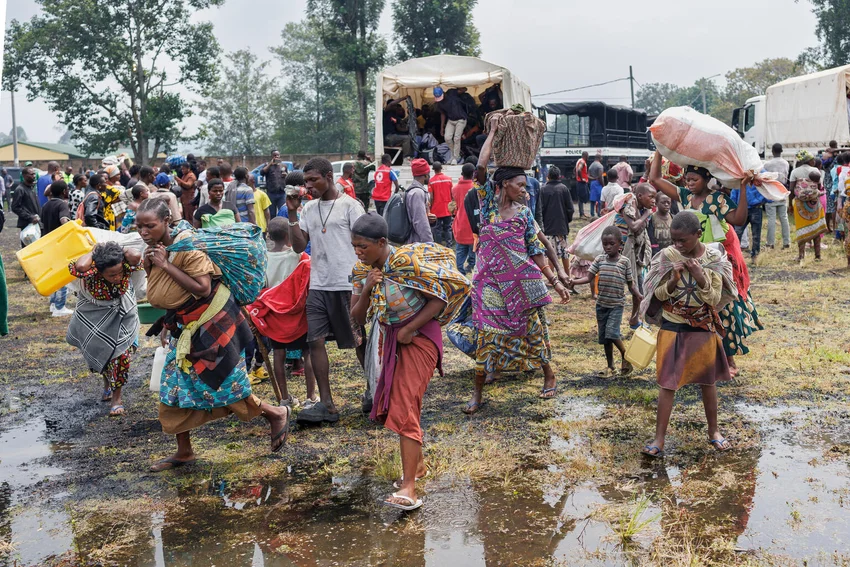
The Democratic Republic of the Congo (DRC) is currently grappling with a multifaceted crisis that is inflicting severe harm on its youngest and most vulnerable citizens. In conflict-affected regions such as North Kivu, South Kivu, Ituri, and Tanganyika, children are facing alarming levels of violence and exploitation. These areas, characterized by prolonged periods of armed conflict, have seen children becoming both victims and instruments of warfare. The profound impact of this crisis calls for urgent attention from the international community.
Recently, the Chair of the UN Security Council’s Working Group on Children and Armed Conflict released a crucial public statement, emphasizing the need to safeguard children’s rights amid ongoing hostilities. This statement highlighted six grave violations against children, which include recruitment and use of child soldiers, killing and maiming, sexual violence, abduction, attacks on schools and hospitals, and denial of humanitarian access. Each of these violations represents a catastrophic blow not only to the individual child but also to the broader fabric of Congolese society.
It is essential to recognize that the obligations to protect children in armed conflict are enshrined in international law, including the Convention on the Rights of the Child and the Paris Principles. All parties involved in the DRC conflict—including government forces, non-state armed groups, and international actors—must adhere to these standards and take proactive measures to prevent these grave violations from continuing. The situation demands a concerted effort from local authorities, international organizations, and civil society to bring about meaningful change and to uphold the rights and dignity of children affected by this ongoing crisis.
Current Violations and Their Impact on Children
The situation for children in the Democratic Republic of the Congo (DRC) remains dire, with various violations severely impacting their lives and futures. One of the most alarming issues is the recruitment and use of children in armed conflict. Reports indicate that armed groups actively enlist minors, subjecting them to violence and exploitation. A 2022 survey revealed that approximately 40% of children in conflict zones are associated with armed forces or groups, depriving them of normal childhood experiences and education.
Abduction is another pervasive threat, with children being forcibly taken from their families to serve various purposes, including forced labor and sexual exploitation. In recent years, the number of child abductions has increased dramatically, with humanitarian organizations reporting a 60% rise since 2019. Victims often endure severe trauma, which can have long-lasting psychological effects, affecting their ability to reintegrate into society.
Furthermore, the killing and maiming of children in conflict are rampant, with an alarming number of incidents occurring during armed confrontations, often involving indiscriminate attacks. The psychological scars left by witnessing violence or experiencing physical harm profoundly impact childhood development. Sexual violence against children has also escalated, with reports indicating that armed groups employ it as a tactic of war, leaving countless young survivors in desperate need of medical care and psychological support.
Attacks on educational and healthcare facilities exacerbate the situation, undermining children’s basic rights to education and health. Schools and hospitals have become targets, leading to the displacement of families and resulting in extended periods of missed schooling. Humanitarian organizations face significant challenges in delivering aid, often hampered by insecurity and limited access to affected regions. The ongoing violations against children necessitate urgent attention, as they are violations of international humanitarian law. These laws are crucial for the protection of children’s rights and highlight the pressing need for a coordinated global response to restore safety and provide necessary support.
The Role of Government and Armed Groups: Accountability and Action
The intricate challenge of safeguarding children’s rights in the Democratic Republic of the Congo (DRC) has simultaneously placed significant responsibility on both the government and armed groups operating within its borders. The DRC government has taken steps towards mitigating the impact of armed conflict on minors, as evidenced by its 2012 action plan aimed at addressing violence against children and separating them from armed groups. This initiative underscores a recognition of the urgent need for effective measures to protect children from recruitment and exploitation by both state and non-state actors.
In addition, the establishment of national reparations frameworks signals the government’s commitment to accountability for violations against children. Such frameworks are essential for ensuring that victims of armed conflict receive the support and acknowledgment they deserve. By instituting these reparations, the government is providing a necessary platform for healing and recognition, turning its focus toward the reintegration of affected children back into their communities.
On the other hand, armed groups play a pivotal role in perpetuating violations against children. Their responsibilities extend beyond just ceasing harmful practices; they must also engage positively with established international norms aimed at safeguarding children’s rights. Signing international commitments to end violations signifies a willingness to be held accountable by the global community. However, the challenge remains that many armed groups continue to disregard these commitments, resulting in persistent violations against minors.
To foster meaningful change, a coordinated response is essential. All stakeholders—including the government, armed groups, and non-governmental organizations—must collaborate to provide sustained efforts in community-based reintegration programs. Long-term support for children affected by armed conflict is critical, ensuring they receive the necessary resources to heal and thrive in a post-conflict environment. Only through comprehensive awareness and concerted action can a lasting impact be made in securing the rights and safety of children in the DRC.
Conclusion: A Call for Urgent Collective Action
In the Democratic Republic of the Congo (DRC), children continue to face grave violations amid ongoing conflict. These violations encompass recruitment into armed groups, sexual exploitation, and attacks on schools. Addressing these issues requires an urgent collective response from all stakeholders, including the government, armed factions, and international organizations. The protection of children must be prioritized to ensure their rights are upheld and their well-being is safeguarded in conflict-affected areas.
The complexity of the situation in the DRC necessitates a multi-faceted approach to effectively protect children. First and foremost, it is essential to prioritize the best interests of the child in all decision-making processes. This means creating comprehensive frameworks for victim services and support systems that cater specifically to the needs of children affected by violence. Furthermore, accountability for perpetrators of these heinous acts must be reinforced. Establishing justice and ensuring that those who exploit or endanger children face significant repercussions is vital in deterring future violations.
Additionally, humanitarian access to affected areas is crucial. Humanitarian organizations must be granted unhindered access to deliver necessary aid and psychological support to vulnerable children. Collaboration between local communities, the government, and international entities is imperative to ensure that children receive the necessary care and resources they deserve.
Ultimately, adhering to international standards for children’s rights is not merely a guideline but a necessity. The collective efforts of all parties involved can lead to a safer, more secure environment for the children of the DRC. As such, it is crucial that we advocate for immediate action to protect these young lives and ensure that they have the opportunity to thrive, unaffected by the horrors of war.