

















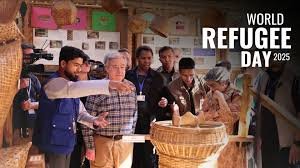
Introduction to the Global Refugee Forum
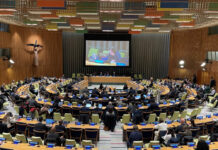
The Global Refugee Forum is a pivotal event organized by the United Nations in response to the growing challenges posed by the global refugee crisis. Established following the adoption of the Global Compact on Refugees, this forum serves as a platform for governments, international agencies, civil society organizations, and other stakeholders to convene and address the pressing issues faced by refugees worldwide. It seeks to enhance international cooperation, mobilize financial resources, and develop practical solutions that can alleviate the burden on host countries and communities.
One of the main objectives of the Global Refugee Forum is to review progress made since the last gathering and to strategize for future actions. This biennial event not only emphasizes the need for solidarity but also highlights the critical importance of establishing pathways for refugees to access rights and services. By bringing together a diverse range of participants, the forum fosters dialogue and encourages the sharing of innovative practices and experiences that can lead to improved conditions for refugees.
The role of the UN Secretary-General is central to the forum’s initiatives, as it underscores the urgency of the refugee situation across the globe. The Secretary-General’s message often calls for concerted action and strong political will from all nations, stressing that the refugee crisis is not merely a humanitarian issue but a challenge that affects global stability and security. With millions of people displaced due to conflict, persecution, and climate-related events, the Global Refugee Forum marks a critical opportunity to galvanize support and commitment to solutions that address both immediate and long-term needs of refugees. This unified approach is essential for ensuring that no refugee is left behind in their quest for safety and a stable future.
Current Global Refugee Crisis: Key Issues
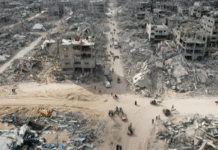
The current global refugee crisis has reached unprecedented dimensions, necessitating urgent attention and action. As of late 2023, the number of forcibly displaced individuals worldwide has surged, primarily due to escalating conflicts, natural disasters, and political instability. Regions such as the Middle East and parts of Africa continue to experience intense violence, leading to significant increases in the number of refugees seeking safety and security. This upsurge in displacement has far-reaching implications for both the individuals affected and the host countries responsible for their care.
Moreover, the tightening of borders in numerous nations further exacerbates the refugee crisis. Stricter immigration controls have made it increasingly difficult for those fleeing persecution or violence to find safe havens. Such policies not only impact the refugees directly but also strain the relationships between host countries and those seeking refuge. As a result, many refugees face the peril of being trapped in unsafe conditions, vulnerable to exploitation and further trauma.
In addition to these geopolitical factors, the decline in humanitarian funding poses a significant challenge. Over the past few years, global assistance has markedly decreased, leading to a situation where essential services are being reduced. Host countries, often struggling with their own economic issues, find themselves unable to provide adequate support to the incoming refugees. This reduction in resources not only affects the well-being of displaced individuals but also has broader implications for the social cohesion and stability of the host communities.
In light of these challenges, it is crucial to recognize the urgent need for collaborative international efforts to address the complexities of the refugee crisis. Only by fostering dialogue and understanding can we hope to develop sustainable solutions that uphold the dignity and rights of all displaced individuals, while simultaneously supporting the nations grappling with this humanitarian burden.
The Global Compact on Refugees: Pathway to Solutions
The Global Compact on Refugees represents a significant international commitment to address the challenges faced by millions worldwide who have fled their homes due to conflict, persecution, and other crises. Adopted by the United Nations General Assembly in December 2018, this comprehensive framework seeks to not only enhance the protection of refugees but also promote a sustainable approach to their inclusion and self-reliance.
One critical component of the Compact is the emphasis on increased support for low- and middle-income host countries. These nations often shoulder the majority of the refugee population, facing tremendous strains on their resources and infrastructures. By fostering international cooperation and sharing responsibility, the Compact advocates for a more equitable distribution of contributions from wealthier countries. This includes financial assistance, capacity-building initiatives, and development aid designed to bolster the resilience of these communities, ultimately benefiting both refugees and locals alike.
In addition to ensuring adequate support for host countries, the Global Compact on Refugees highlights the importance of enhancing refugee inclusion in social and economic systems. This involves facilitating access to work opportunities, education, healthcare, and other essential services that empower refugees to rebuild their lives. By promoting self-reliance, these efforts contribute to the overall stability and prosperity of host societies.
Furthermore, the Global Compact outlines measures to facilitate third-country solutions, such as family reunification and resettlement. These pathways allow refugees to access safe and lawful migration options, ensuring that they can reunite with loved ones or find a permanent home away from danger. Lastly, the Compact underscores the need for safe return options for refugees when conditions allow, illustrating this by highlighting successful return programs that support refugees in safely reintegrating into their home communities. The framework aims to create a holistic approach to the refugee crisis, focusing on durable solutions that benefit not only refugees but also their host communities.
Partnerships and Progress: The Way Forward
In recent years, a concerted and collaborative approach has emerged among various stakeholders dedicated to supporting refugees worldwide. Governments, non-governmental organizations (NGOs), and civil society have united in their collective efforts, emphasizing the importance of partnerships in advancing refugee support. This cooperative framework has led to significant strides over the past seven years, affecting policies and practices that directly benefit refugee populations.
One of the notable achievements in this period has been the implementation of labor law reforms aimed at enhancing the economic integration of refugees. By enabling refugees to legally enter the job market, these reforms not only provide them with essential livelihood opportunities, but also contribute to the host countries’ economies. Furthermore, partnerships have facilitated the development of educational programs tailored to the unique needs of refugee children and youth, allowing them access to quality education that shapes their future prospects.
As the Secretary-General of the United Nations has indicated, there is still much work to be done regarding the safety and well-being of refugees. The collective achievements in improving labor rights and access to education must serve as a foundation for ongoing advocacy and action. A renewed call for global commitment has been issued by the Secretary-General, urging nations to prioritize resource allocation and policy frameworks aimed at fostering not just immediate relief, but also long-term solutions for refugee communities.
To sustain momentum and ensure progress, it is imperative that all stakeholders continue to collaborate effectively. This involves sharing best practices, leveraging resources, and providing a safe environment where refugees can rebuild their lives. The call to action emphasizes the necessity for every partner to reaffirm their commitment, thus creating a more inclusive and secure future for refugees worldwide.