

















Overview of Resolution 2810 (2025)
The United Nations Security Council adopted Resolution 2810 on January 30, 2025, a critical step in the international community’s ongoing efforts to combat terrorism. The resolution extends the mandate of the Counter-Terrorism Committee Executive Directorate (CTED) for an additional year, lasting until January 2029. This renewal not only ensures the continuity of CTED’s vital work but also emphasizes its integral role in supporting the United Nations’ comprehensive counter-terrorism framework.
The key elements of Resolution 2810 include a reaffirmation of the Council’s commitment to a global strategy for defeating terrorism, which remains a major threat to international peace and security. The resolution highlights the necessity for consistent global coordination and collaboration among member states to enhance their counter-terrorism capacities. In particular, the text underscores the need for rigorous assessments and improved sharing of information related to terrorist threats and tactics.
Additionally, the resolution reaffirms previous mandates established in prior resolutions, emphasizing the continuity of efforts in the fight against terrorism. It describes the importance of regional and international cooperation, facilitating dialogues among nations, and pooling resources to effectively address the evolving nature of terrorism. Furthermore, it acknowledges the challenges posed by non-state actors and the proliferation of extremist ideologies, calling for enhanced responses to counter these threats.
Resolution 2810 also articulates specific measures for CTED to undertake in the coming year, including capacity-building initiatives aimed at member states, and fostering partnerships with other UN bodies and relevant entities engaged in counter-terrorism efforts. This comprehensive approach aims to bolster the overall effectiveness of CTED and the broader counter-terrorism initiatives endorsed by the UN.
The Role and Functions of CTED
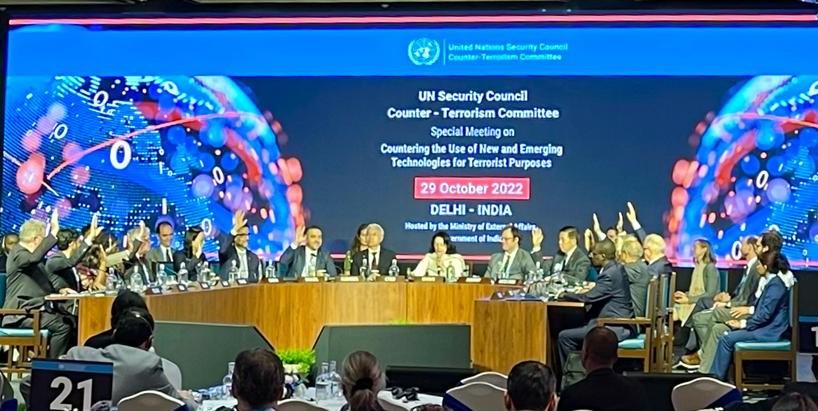
The Counter-Terrorism Committee Executive Directorate (CTED) plays a crucial role in the global fight against terrorism. Its primary function is to assist the United Nations Security Council’s Counter-Terrorism Committee (CTC) in the execution of its mandate, which includes the monitoring of the implementation of various resolutions aimed at combating terrorism. This assistance is not just logistical; CTED is tasked with providing expert analysis and strategic guidance to member states as they navigate the complexities of counter-terrorism measures.
One of the key responsibilities of the CTED is to conduct neutral assessments of how effectively member states are implementing Security Council resolutions related to counter-terrorism. This involves gathering data, analyzing statistics, and evaluating the legal and operational frameworks of different countries. By providing an impartial overview of the situation, CTED ensures that the Counter-Terrorism Committee has a reliable basis for decision-making and further action.
Beyond mere oversight, CTED also plays an essential role in identifying and addressing gaps in the implementation of counter-terrorism initiatives. Through comprehensive reports and assessments, the Directorate assists member states in recognizing weaknesses in their strategies. This role is vital, as it empowers countries to enhance their capacities to tackle terrorism effectively. Additionally, CTED facilitates the sharing of best practices and lessons learned among nations, promoting a cooperative international approach to counter-terrorism.
Furthermore, the CTED serves as a conduit for technical assistance, ensuring that states have access to the necessary resources, training, and expertise. This ongoing support is instrumental in building a robust global counter-terrorism framework that not only addresses immediate threats but also fosters long-term stability and resilience among member states.
International Reactions and Perspectives
The recent decision by the United Nations Security Council (UNSC) to extend the mandate of the Counter-Terrorism Committee Executive Directorate (CTED) has prompted a variety of responses from its member states, reflecting diverse national priorities and strategic approaches to combating terrorism. Notably, France has expressed strong support for a longer renewal of the CTED’s mandate, emphasizing the necessity for sustained international collaboration and the increasing complexities in global terrorism landscapes. France’s position suggests a belief that a prolonged mandate will facilitate more robust strategies for addressing threats emanating from terrorist organizations, particularly given the dynamic nature of these threats.
Conversely, the United States has advocated for a shorter renewal period, emphasizing the need for heightened oversight and accountability for the CTED’s operations. This stance aligns with a strategic focus on ensuring that the actions and methodologies of the CTED remain aligned with the evolving nature of counter-terrorism efforts. The U.S. perspective reflects a broader approach that favors periodic assessments and recalibrations of the Committee’s impact and effectiveness, rather than allowing for an extended, potentially unchecked continuance of its operations.
These contrasting viewpoints underscore the complexities within the international community regarding the management of counter-terrorism initiatives. While some states prioritize sustained engagement through longer mandates, others advocate for a more cautious and scrutinized approach that seeks balance between operational effectiveness and oversight. Such differences not only highlight nations’ varying experiences and priorities in relation to terrorism but also expose deeper ideological divides on how best to navigate the challenges posed by this global issue. The implications of these differing perspectives will likely shape future discussions within the UNSC and influence ongoing collaborative efforts in the realm of international security.
Future Considerations and Challenges
The Counter-Terrorism Committee Executive Directorate (CTED) is at a crucial juncture as it extends its mandate in response to evolving global threats. One of the primary challenges facing CTED is the rapidly changing landscape of terrorism, particularly concerning the emergence of new trends and threats. Islamist terrorism in Africa specifically presents a complex challenge for CTED. While certain regions have seen significant progress, others continue to grapple with the threat of radicalization and violent extremism. The committee must adapt its strategies to tackle these pressing issues effectively.
To adequately respond to these challenges, CTED should prioritize establishing collaborative frameworks with countries most at risk of becoming breeding grounds for terrorism. This includes providing targeted support and assistance tailored to the unique socio-political contexts of these nations. Moreover, investing in capacity-building initiatives can enhance local resilience against terrorist propaganda and recruitment tactics, ultimately contributing to long-term stability.
Additionally, the three-year renewal of CTED’s mandate necessitates a focused approach in areas such as strategic planning and resource allocation. The committee must identify key priorities within its framework–namely, sustaining engagement with member states, ensuring compliance with international counter-terrorism norms, and promoting information sharing among relevant stakeholders. This includes exploring innovative funding mechanisms that can bolster assistance programs and operational capacities within vulnerable regions.
Furthermore, tackling the root causes of terrorism will require a multifaceted approach. CTED should advocate for holistic solutions encompassing education, economic development, and interfaith dialogue. By adopting a more integrated approach, the CTED can significantly influence the global fight against terrorism while fostering stability and security in regions affected by extremist violence.