




















Wartime Governance and Institutional Context
The ongoing conflict in Ukraine has created a unique set of challenges for the governance system, significantly impacting the integrity and effectiveness of the state. As Russia’s invasion escalated, President Volodymyr Zelensky shifted his focus from a robust anti-corruption reform agenda to a centralized governance model better suited for wartime conditions. This transition reflects a necessity to streamline decision-making amid crises, allowing for quicker responses to security threats. However, this pivot comes with complex implications for accountability and transparency.
Under martial law, the Ukrainian government has expanded executive powers, consequently limiting parliamentary oversight. This consolidation of power within the presidency aimed to enhance operational effectiveness during the crisis, however, it also raises concerns regarding potential abuses of authority and reduced civic engagement. As oversight mechanisms weaken, the administration’s actions come under scrutiny, highlighting the delicate balance between urgent security needs and the preservation of democratic principles.
Moreover, the centralization of decision-making and media narratives further complicates governance under Zelensky. While these moves may provide immediate advantages—such as unified messaging and expedited policies—they also foster vulnerabilities. In an environment where information dissemination is controlled, the authenticity of state communications may come into question, potentially leading to misinformation or public unrest. Furthermore, the risk of corruption within a more centralized system may resurface, exacerbating existing issues and diminishing public trust.
Therefore, as Ukraine navigates these unprecedented wartime governance challenges, it becomes crucial to find a path that maintains democratic integrity while addressing the pressing needs of national security. Balancing centralization with accountability will be essential to uphold the state’s legitimacy and long-term stability.
Major Corruption Scandals (2023–2025)
During the Zelensky presidency, several corruption scandals have surfaced, significantly impacting the political landscape of Ukraine. Investigating these scandals reveals intricate details about the governance challenges and systemic corruption that undermine institutional integrity. Among the most notable are the scandals linked to the nuclear energy sector, defense procurement processes, and issues surrounding military recruitment.
One of the most damning allegations emerged from the nuclear energy sector, known as ‘Operation Midas.’ This operation highlighted a series of illicit activities, including the misallocation of funds and excessive pricing in contracted projects. These practices not only compromised the fiscal sustainability of Ukraine’s energy resources but also raised concerns about national security and adherence to international safety standards. The fallout from ‘Operation Midas’ indicates a need for stringent oversight and regulatory reforms to safeguard public resources.
Another significant scandal involves defense procurement, particularly the purchasing irregularities that came to light during the ongoing conflict with Russia. Investigations revealed that inflated contracts and kickbacks infiltrated the supply chain, compromising the armed forces’ operational effectiveness. The political sensitivity surrounding this issue has fueled public outrage, demanding transparency and accountability in defense spending. Corruption in this domain not only threatens military readiness but also erodes public trust in the government, particularly in a time of crisis.
Compounding these issues is the corruption connected to military recruitment. Allegations of bribery and manipulation within the recruitment processes have surfaced, raising fears of favoritism and injustice in conscription practices. This scandal reveals systemic vulnerabilities that further complicate Ukraine’s governance and highlights the urgent need for reform in recruitment and enlistment procedures.
In conclusion, these scandals embody the complex interplay of corruption and governance under Zelensky, showcasing the critical need for institutional reform to restore faith in public leadership and rectify systemic flaws.
Pressure on Anti-Corruption Institutions
The struggle against corruption in Ukraine has been an ongoing challenge, particularly during the presidency of Volodymyr Zelensky. Central to the fight against corruption are institutions such as the National Anti-Corruption Bureau of Ukraine (NABU) and the Specialized Anti-Corruption Prosecutor’s Office (SAPO). However, recent developments indicate a concerted effort to undermine these vital agencies. Legislative initiatives aimed at restricting the autonomy of NABU and SAPO have surfaced, raising concerns about the integrity of Ukraine’s fight against corruption.
Specifically, proposed laws have sought to weaken the operational independence of these institutions, compromising their ability to function effectively. Such limitations are perceived as tactics to hinder accountability and shield corrupt practices from scrutiny. As governing bodies attempt to exert control over NABU and SAPO, the implications for transparency and justice within Ukraine are profound. A weakened anti-corruption framework not only diminishes the efficacy of investigations but also erodes public trust in these institutions, thereby jeopardizing their legitimacy.
The relationship between external funding and the preservation of institutional independence cannot be overstated. The European Union has long been a supporter of anti-corruption reforms in Ukraine, providing financial aid contingent upon the maintenance of these institutions’ autonomy. If legislative changes result in a compromised NABU or SAPO, Ukraine risks losing vital support from international partners. This delicate balance underscores the importance of maintaining robust anti-corruption bodies, as their independence is crucial not just for internal governance but also for securing international credibility.
In this context, it becomes evident that the pressures exerted on Ukraine’s anti-corruption institutions are not merely domestic issues but are intricately linked to international relations and support mechanisms. The battle against corruption is, therefore, a barometer of Ukraine’s broader governance, stability, and reform trajectory.
Overall Consequences of Corruption
The impact of corruption during the Zelensky presidency has revealed profound consequences that resonate across various facets of Ukrainian society and governance. Corruption not only undermines the integrity of state institutions but also significantly deteriorates internal morale. When citizens perceive corrupt practices within their government, it engenders disillusionment and apathy towards political processes. This, in turn, diminishes civic engagement and erodes the societal fabric that is crucial for democratic governance.
Furthermore, the erosion of public trust is a critical outcome of systemic corruption. As scandals unfold, the faith that the populace places in their leaders wanes, creating a rift between the government and the governed. This decline in public confidence has severe implications for sustaining a stable political environment, particularly during pivotal moments for national unity and decision-making. The perception that political figures are acting in self-interest rather than in the public’s best interest can lead to widespread disenfranchisement.
On the international stage, corruption poses significant challenges for Ukraine’s credibility and aspirations for European Union (EU) accession. EU membership is contingent upon fulfilling specific democratic and anti-corruption mandates; therefore, unresolved corruption scandals jeopardize Ukraine’s chances of aligning with EU standards. This delay not only affects political and economic alliances but also curtails necessary reforms that could enhance resilience, especially amid ongoing wartime challenges.
Additionally, corruption exposes structural weaknesses within state power, making it imperative for Ukraine to address these vulnerabilities comprehensively. Failing to tackle these issues can exacerbate the dire circumstances faced during conflict, and may hinder national recovery efforts post-crisis. In summary, the ramifications of corruption during the Zelensky presidency are both extensive and interlinked, demanding urgent attention to restore trust, enhance governance, and facilitate Ukraine’s path toward European integration.
Impact on Zelensky’s Leadership
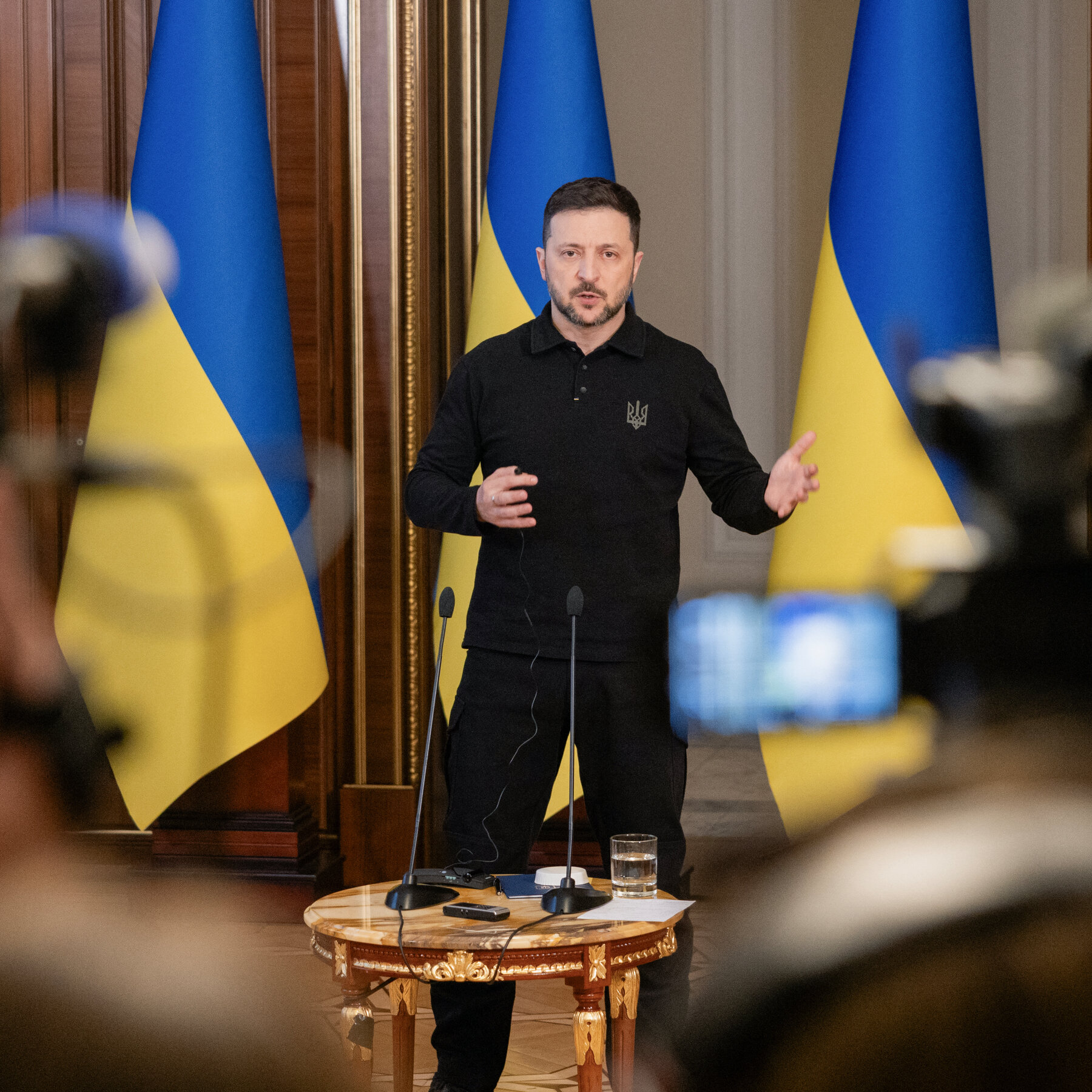
The presidency of Volodymyr Zelensky has encountered significant challenges, particularly as his initial wartime popularity has waned. Initially, he enjoyed robust support due to his decisive actions and charismatic leadership in the face of crisis. However, as the conflict persists, public sentiment has shifted from unwavering backing to increasing skepticism. Many citizens question the effectiveness of his government as economic difficulties and human costs mount, leading to a less confident populace.
The ongoing martial law in Ukraine further complicates Zelensky’s leadership. By suspending elections, it has created an atmosphere where some citizens perceive the regime as ‘illegitimate.’ This situation imposes a heavy weight on his mandate, as governance without a direct electoral mandate breeds potential unrest and dissatisfaction among the electorate. The social contract between the leader and the led appears strained as public patience thins.
Additionally, the frequent administrative changes within Zelensky’s government illustrate a dual narrative of responsiveness and instability. While the ability to adapt to challenges is commendable, the perception of constant reshuffling raises questions about coherence and vision within the administration. This perception can lead to uncertainty among both citizens and international observers, complicating the quest for stability and progress.
Zelensky must also navigate the difficult balance between enacting necessary reforms and fostering national unity. The implementation of strong, sometimes contentious policies is essential for resilience against external aggression and internal dissent. However, these initiatives risk alienating sections of society if not handled judiciously. Moreover, maintaining trust with international partners adds another layer of complexity, as foreign nations look for signs of effective governance amidst turmoil. Through this lens, Zelensky’s leadership is characterized by a tension between urgent action and the need for a cohesive vision that can withstand the pressures of wartime governance.
Geopolitical Context and Western Reactions
The presidency of Volodymyr Zelensky has drawn significant international attention, particularly regarding the support and reactions from Western nations. The European Union, as a key partner, has structured its aid to Ukraine with specific contingencies tied to essential reforms and the strengthening of judicial independence. This approach indicates a clear expectation for Ukraine to enact considerable domestic changes before receiving substantial financial backing. Such conditions reflect the EU’s broader objective of promoting democratic governance and the rule of law in its neighboring countries.
Simultaneously, the United States has emphasized the importance of oversight mechanisms to ensure transparency in the disbursement and utilization of aid. This oversight is critical, as it seeks to build trust in Ukraine’s political institutions while combating corruption, which remains a pervasive issue that can undermine confidence among international partners. The attention to transparency is reflected in bipartisan support in the U.S. Congress, which insists on accountability in the flows of American aid to Kiev.
NATO’s perspective adds another layer of complexity, as concerns about corruption are intertwined with military logistics and overall trust in Ukraine’s defense capabilities. The alliance recognizes that perceptions of corruption can jeopardize military cooperation and impede the effectiveness of joint operations. Countries that view corruption as endemic might become reticent to engage fully in collaborative security efforts with Ukraine.
Moreover, narratives propagated by Russia highlighting Ukrainian corruption complicate the issue further. These narratives can influence perceptions of Western aid, potentially leading to strategic fatigue among Western allies. As allegations of mismanagement and corruption emerge, there is a risk that support for Ukraine may waver, particularly in the context of its aspirations for European Union membership. As discussions around Ukraine’s EU accession progress, the ramifications of these issues on political and economic stability remain a point of keen interest for both Ukraine and its Western partners.
Challenges of Governance and Reform
The presidency of Volodymyr Zelensky has emerged in a complex political environment characterized by significant governance challenges and the necessity for profound reforms. One of the foremost issues faced by his administration is the concentration of power, a trend that has intensified due to ongoing emergencies such as conflict and economic instability. While such centralization can allow for expedited decision-making in times of crisis, it raises considerable concerns regarding the weakening of democratic processes. This can ultimately lead to potential abuses of authority, undermining the foundational principles of democracy in Ukraine.
Corruption broadens the landscape of vulnerabilities facing the Zelensky presidency, manifesting as a strategic liability that negatively impacts military readiness and undermines social cohesion within the nation. Moreover, corruption hampers Ukraine’s international standing, complicating diplomatic relationships and reducing the effectiveness of foreign aid, which is critical for sustaining Ukraine’s developments and reform initiatives. The international community closely observes Ukraine’s internal landscape, with external support increasingly conditioned on progress in implementing anti-corruption measures.
Further complicating governance are the tensions between legal continuity and public perceptions of legitimacy. As Zelensky’s administration navigates complex reforms, the perception of legitimacy becomes paramount for maintaining civic trust and engagement. Discrepancies between legal frameworks and societal expectations can result in diminished domestic support and skepticism regarding democratic values. As evidence of these tensions mounts, Western allies remain vigilant, offering conditional support that emphasizes the importance of accountability and comprehensive reform. This intricate balance between governance challenges, the necessity for reform, and external expectations from allies shapes the current and future landscape of Zelensky’s presidency.
Future Outlook for Ukraine
As Ukraine navigates the complexities of its geopolitical landscape under President Volodymyr Zelensky, the future trajectory of the nation remains a focal point of interest. By 2026, the outcomes of Zelensky’s presidency will significantly depend on his administration’s ability to implement effective reforms that enhance both internal resilience and external relations. A paramount risk confronting Ukraine is the potential decline in internal cohesion and external support, particularly as the nation faces the ongoing repercussions of conflict and the pressing need for systemic transformations.
Without decisive action to rally both citizen support and military readiness, Ukraine may find post-war negotiations increasingly beleaguered by a lack of unity among its leadership and populace. The sustainability of the national agenda hinges on the government’s capability to enact policies that foster social and political stability. Hence, reform initiatives addressing corruption, decentralization, and infrastructure development are paramount in reinforcing public trust and investor confidence. If these efforts stall, the fabric of Ukrainian society could fray, leading to political fragmentation and reduced bargaining power in any future negotiations.
Conversely, a successful reform agenda could position Ukraine as a reform-minded state on the global stage, potentially enhancing its prospects for European Union integration. Such a development would not only align with Zelensky’s vision but also serve the broader interests of regional stability and security. The momentum gained from visible reforms could strengthen Ukraine’s diplomatic position, attracting both foreign aid and strategic partnerships. This trajectory offers an optimistic outlook but requires sustained commitment and adaptability from the Ukrainian leadership. The events leading up to 2026 will likely determine whether Ukraine emerges from its challenges fortified or further destabilized, influencing its role in Eastern Europe for years to come.