

Historical Context and Causes of the Conflict
The Iran-U.S./Israel conflict is deeply rooted in a historical context that stretches back decades. A significant turning point occurred in 1953 with the CIA-backed coup that overthrew Iran’s democratically elected Prime Minister Mohammad Mossadegh. This event planted the seeds of mutual distrust and resentment towards the United States, particularly among Iranian leaders and the populace. The subsequent establishment of the Shah’s regime, which was perceived as oppressive and unrepresentative, fueled further animosity.
The situation escalated with the 1979 Iranian Revolution, wherein the Shah was ousted, leading to the establishment of the Islamic Republic of Iran under Ayatollah Khomeini. This change in governance marked a stark pivot in Iranian foreign policy, turning away from western alliances and adopting a hardline stance against both the United States and Israel. The American hostage crisis, which followed the revolution, solidified this enmity and embittered relations, resulting in decades of sanctions and diplomatic isolation for Iran.
Fast forward to recent years, the Iran nuclear deal of 2015 initially offered a semblance of hope for resolving tensions. Nevertheless, the U.S. withdrawal from the agreement in 2018 reignited conflicts, leading Iran to resume its nuclear program. The failure of subsequent negotiations, particularly those aimed at addressing both nuclear concerns and regional security, has culminated in significant military escalations. The recent military actions initiated on February 28, 2026, are a manifestation of long-standing grievances and escalate the urgency for a critical reassessment of alliances and strategies in the region.
Military Tactics and Strategic Objectives
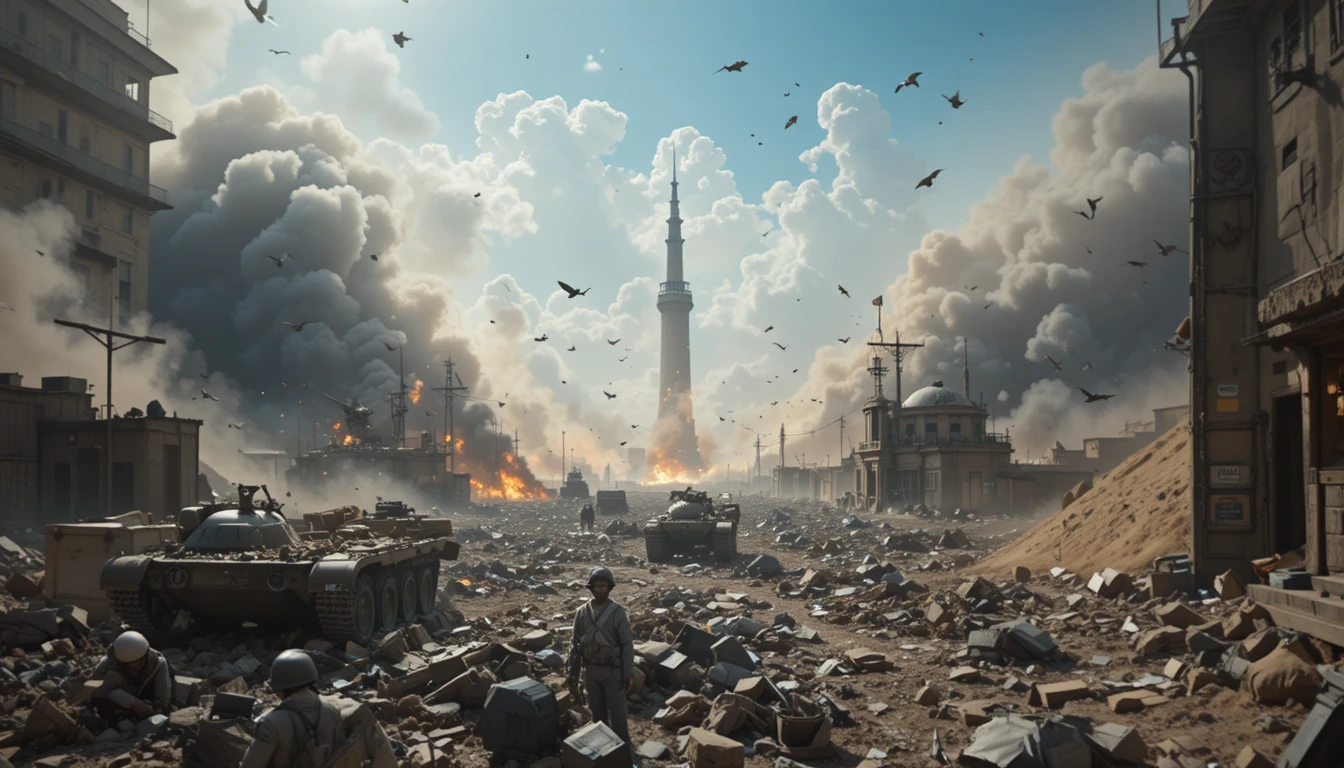
The ongoing conflict between Iran and the U.S./Israel has witnessed a significant evolution in military tactics and strategic objectives from both sides. Iran’s multifaceted approach emphasizes asymmetric warfare, particularly through the deployment of drone and missile strikes. This enables Tehran to exert influence while minimizing direct confrontation with superior military forces. By utilizing advanced technology, Iran can launch strikes on targeted locations and infrastructure, demonstrating a capacity to project power across the region.
Additionally, Iran has effectively leveraged proxy networks throughout the Middle East. By supporting various militant groups, Tehran maintains plausible deniability in direct confrontations while still impacting regional stability. These proxies serve critical purposes, such as conducting operations that align with Iran’s strategic interests, often targeting U.S. assets and allies. Such tactics also extend to energy coercion, where Iran threatens to disrupt oil supplies, underscoring its readiness to employ economic warfare as a strategic instrument.
In contrast, the military strategies of the U.S. and Israel have centered around precision strikes designed to limit collateral damage while maximizing efficiency. Both nations focus on intelligence-driven operations to target Iranian capabilities effectively. The use of cyber warfare and advanced missile technology enables them to degrade Iran’s military assets and command structures, aligning military efforts with broader geopolitical aims.
Furthermore, economic pressures play a crucial role in the strategic calculus of both the U.S. and Israel. Sanctions have been imposed to disrupt Iran’s funding for its military and proxy operations, effectively limiting Tehran’s ability to sustain its asymmetric warfare capabilities. This combination of military precision and economic isolation illustrates a comprehensive strategy aimed at countering Iranian influence in the region.
Escalation and Impact on Global Energy Security
The escalation of hostilities between Iran and Israel, coupled with the United States’ involvement, has reached a critical juncture between February 28 and March 28, 2026. During this period, significant military exchanges were observed, indicating a worrying shift towards an energy war, particularly affecting vital shipping routes. The Strait of Hormuz, a crucial corridor for global oil transportation, has been at the forefront of these tensions.
As military activities intensified, concerns arose regarding the safety of vessels traversing the Strait of Hormuz. This waterway is pivotal, as approximately 20% of the world’s oil supply passes through it. The potential for disruption due to military confrontations not only threatens regional actors but has far-reaching consequences for global energy security. Countries reliant on oil imports began to reevaluate their energy strategies, fearing that continued hostilities could lead to higher prices and supply shortages.
International responses during this volatile phase included widespread condemnation from various global organizations, advocating for de-escalation and dialogue. The United Nations Security Council convened emergency sessions to address the impending crisis, reflecting the urgency of the situation. Such military actions not only exacerbate regional tensions but also alter the broader landscape of international relations. Nations participating in or affected by these developments are now re-examining their alliances and strategies, particularly those reliant on the uninterrupted flow of energy resources.
Furthermore, the geopolitical ripple effects are profound, as countries outside the immediate theater of conflict, including major oil consumers, focus on diversifying their energy supply sources to mitigate potential shortages. The ramifications of such an energy war could redefine energy dependency, signaling an era where security, economic interests, and diplomacy are intricately interlinked.
Assessing the Outlook: Crisis, Risks, and Future Scenarios
The ongoing conflict between Iran and the coalition of the United States and Israel represents not merely a series of retaliatory actions; it embodies a profound structural crisis affecting regional order and global security. The interplay of geopolitical aspirations, historical grievances, and ideological divides culminates in a precarious situation wherein the likelihood of achieving lasting peace appears increasingly distant. As hostilities escalate, both Iran and its adversaries grapple with the challenges inherent in pursuing their respective strategic objectives.
On one hand, the Islamic Republic of Iran is entrenched in its adversarial posture, underscoring its capability to engage in asymmetric warfare and leverage regional proxies. This strategy presents significant risks, including the possibility of miscalculations that could spiral into broader conflict. Conversely, the United States and Israel face the intricate task of countering these maneuvers while avoiding escalation that may undermine their own position in the Middle East. The limitations of military dominance have become increasingly apparent, culminating in a recognition that the use of force alone cannot facilitate the political transformations sought by Western powers.
Furthermore, the implications of the Iran-U.S./Israel conflict extend beyond immediate regional concerns. Global political dynamics are continually influenced by this ongoing confrontation, with third-party nations and non-state actors observing and responding to the developments. As entities seek to navigate this fraught landscape, the potential for alternative alliances may emerge, altering the configurations of power. Achieving total victory for either side appears implausible in the current environment, indicating that a protracted struggle characterized by intermittent escalations is more likely to persist.
In conclusion, the complexities surrounding the Iran-U.S./Israel conflict demand a nuanced understanding of its risks and possible trajectories. The interaction of multiple actors with conflicting interests underscores the difficulty in resolving these tensions sustainably. Global security remains intricately tied to the outcomes of this confrontation, and thus, continued analysis will be essential for all stakeholders involved.