



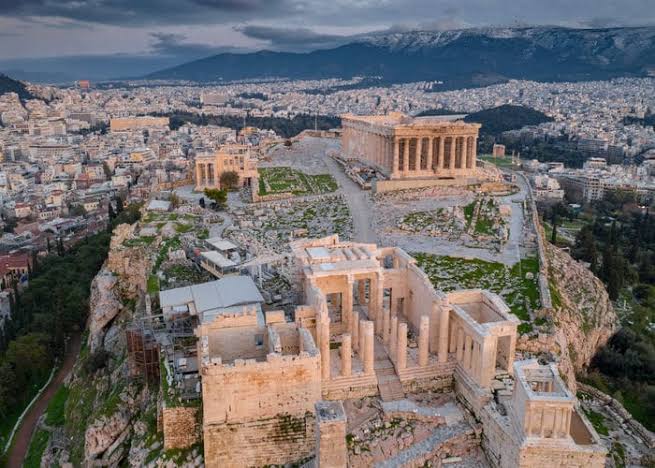
Discussions in Paris between Greek Tourism Minister Olga Kefalogianni and UNESCO leadership placed cultural heritage at the centre of efforts to shape a more sustainable tourism model. The meetings explored how Greece and UNESCO could strengthen cooperation to protect heritage while also making it an enduring part of the visitor experience. Rather than treating preservation and tourism as competing priorities, the talks considered how responsible travel can support the safeguarding and promotion of cultural assets over time.
Those taking part included UNESCO Director-General Khaled el-Enany and Assistant Director-General for Culture Nayef al-Fayez. Greece was also represented by its Permanent Representative to UNESCO, George Koumoutsakos, and Secretary-General for Tourism Policy and Development Vassiliki Koutsoukou. Their discussions brought together perspectives on culture, heritage protection and tourism policy, reflecting the need for coordinated approaches across these fields. Cooperation between national authorities and international institutions can help ensure that tourism development respects the significance and needs of the places and communities that visitors encounter.
A central idea raised in the meetings was that culture should be understood not only as a reason people choose to travel, but also as a foundation for tourism itself. When cultural heritage informs planning and decision-making, it can help shape a sector that is higher-quality, more resilient and more sustainable. This approach places value on authenticity, care and long-term stewardship, rather than focusing solely on visitor numbers or short-term economic returns. It also recognises that heritage is living and diverse, and that its protection requires attention to local contexts and the people connected to it. By linking cultural preservation with responsible tourism, Greece and UNESCO are seeking ways to promote travel that contributes to heritage protection while creating meaningful experiences for visitors. The Paris discussions therefore framed culture as both an essential resource for tourism and a guiding principle for its future development.
Greece’s cultural tourism offer reaches far beyond its best-known temples, museums and archaeological sites. These landmarks remain central to the country’s appeal, but visitors can also encounter living traditions that shape everyday life in towns, villages and islands. Local celebrations, music, crafts, oral histories and customary practices reveal how communities have interpreted and carried their heritage across generations. Such experiences can make cultural travel more varied, personal and connected to the places people visit.
Food traditions are an important part of this broader offer. Regional ingredients, seasonal dishes, family recipes and local production methods can introduce visitors to the landscapes and knowledge behind Greek cuisine. Creative work by local artists, designers, performers and craftspeople can likewise connect contemporary culture with established skills and forms of expression. By presenting these experiences alongside major heritage sites, destinations can encourage visitors to explore beyond familiar routes and discover distinctive identities across different regions.
A wider range of cultural activities may also support a longer tourism season. Festivals, workshops, food events and community-led experiences can attract visitors at different times of year, rather than concentrating demand in peak summer months. When opportunities are developed across multiple destinations, tourism spending and employment may reach communities that receive fewer visitors to major monuments. This can strengthen local businesses and create additional reasons to travel to less-frequented areas.
However, expanding cultural tourism requires care. Traditions are not simply products for visitors; they belong to the communities that sustain them. Tourism initiatives should therefore be shaped with local people, respect cultural meaning and avoid placing undue pressure on daily life, historic spaces or natural resources. Fair returns for practitioners and businesses, thoughtful visitor management and support for transmission between generations can help protect what makes each experience valuable. A resilient cultural tourism model depends on balancing access and economic opportunity with the continued vitality of Greece’s heritage and communities.
Connecting tourism growth with the long-term care of cultural heritage requires planning that treats visitor numbers, conservation needs and residents’ quality of life as linked concerns. Responsible visitor management can include limits or timed entry at sensitive locations, clear routes that reduce pressure on fragile areas, and reliable monitoring of overcrowding and wear. Plans should respond to evidence and change as conditions evolve, rather than assume that every site can absorb steadily rising demand. Tourism operators and public authorities can also encourage visits beyond peak periods and distribute activity across destinations, while ensuring that access remains respectful of a place’s cultural meaning.
Climate resilience must be part of this work. Heat, drought, wildfire, flooding, erosion and rising seas can threaten historic structures, archaeological sites and cultural landscapes, while tourism infrastructure may add pressure on water and other resources. Risk assessments, conservation research and preparedness plans help identify vulnerabilities and set priorities. Measures may include improved drainage, careful maintenance, emergency response arrangements and monitoring environmental change. Adaptation should be guided by heritage expertise so that interventions protect significant features rather than undermine them. Decisions also need to account for the cumulative effects of development, transport and visitor services around cultural sites.
Local communities should have a meaningful role from the earliest planning stages, including influence over visitor policies, interpretation and the use of tourism revenue. Participation is stronger when residents can access information, contribute knowledge and share in economic and cultural benefits. UNESCO supports this approach through guidance for managing World Heritage sites, tools and expertise for safeguarding intangible heritage, and opportunities to exchange experience across countries and communities. Its work encourages policies that bring heritage protection together with sustainable tourism, community involvement and intercultural dialogue. Such collaboration can help keep traditions alive without reducing them to performances for visitors, and can ensure that tourism supports the people who sustain heritage in everyday life. When conservation goals and local priorities are considered together, tourism can contribute to stewardship while preserving the character and continuity of places for future generations.
Greece and UNESCO considered practical ways to deepen their partnership and turn shared priorities into sustained work. The proposals included joint initiatives in sustainable cultural tourism, exchanges of expertise and the development of cultural routes. Together, these approaches can connect visitors with the histories, traditions and places that shape communities, while encouraging tourism planning to account for heritage protection. Cultural tourism, in this model, is not simply a means of drawing economic value from historic sites and living traditions. It should also help safeguard them, make their significance better understood and support their transmission to future generations.
Cultural routes offer one possible framework for this cooperation. By linking heritage locations and cultural experiences across regions, routes can invite visitors to understand connections between places rather than treating each site as an isolated attraction. They may also help distribute tourism activity more widely and create opportunities for local communities to share their knowledge and perspectives. Exchanges between specialists and institutions can reinforce this work, enabling participants to compare approaches, build skills and adapt useful practices to local circumstances. Such collaboration would make cultural tourism more attentive to the needs of both heritage and the people who sustain it.
Tourism Minister Olga Kefalogianni proposed strengthening cooperation between UNESCO and the UN World Tourism Organization through initiatives that demonstrate the links between culture and tourism. The aim is to encourage closer international dialogue and wider sharing of knowledge, while giving local communities a meaningful place in the development of tourism. In this approach, cultural wealth is not only an asset to be visited; it is a shared inheritance that requires responsible care and inclusive participation. The intended outcome is tourism that supports heritage protection and community benefit, and uses culture to connect societies responsibly. By bringing institutions, experts and communities into conversation, Greece and UNESCO seek a model that can promote cultural understanding while helping ensure that heritage remains available to future generations.