






















Evolving Geopolitical Landscape
The geopolitical landscape in Europe is currently marked by significant shifts that are influencing the intricate relationship between Serbia and Kosovo. An evolving security environment has prompted Serbia to undertake a strategic reassessment of its foreign policy objectives and national security strategies. This transformation comes as new regional alliances emerge, reshaping traditional geopolitical dynamics that have long characterized the Balkans.
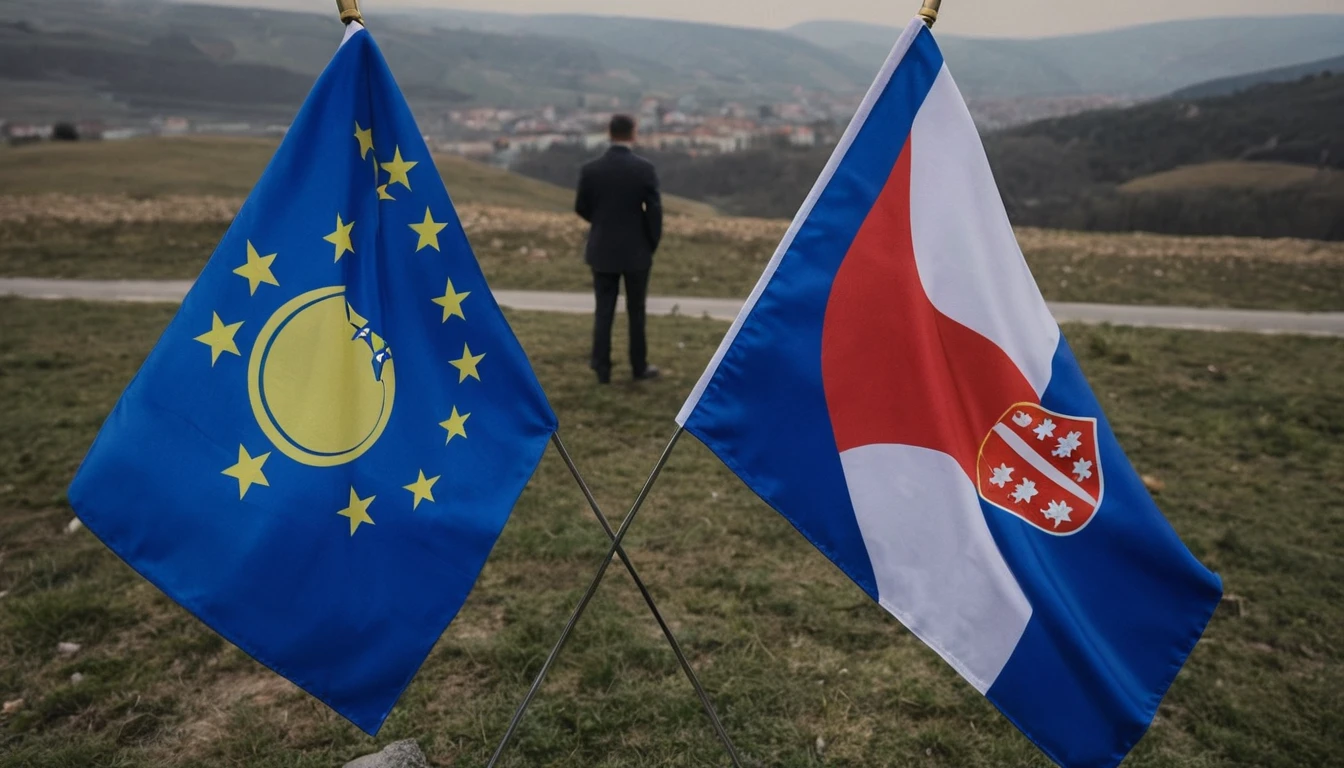
In recent years, the establishment of alliances and partnerships has significantly impacted relations in the region. For instance, Serbia’s strengthening ties with Russia and its growing cooperation with China are factors that have catalyzed an intense recalibration of its geopolitical stance. Conversely, Kosovo, under the guidance of its Western allies, seeks to assert its independence and foster closer relationships with the European Union and NATO. This juxtaposition of alliances may influence the ongoing tensions, as both nations strive to navigate their respective agendas amid these reshaping alliances.
The backdrop of international support plays a pivotal role in this evolving landscape. While Serbia relies on its historical ties with Russia, Kosovo has found a steadfast ally in the United States, which continues to support Kosovo’s sovereignty. Such dynamics not only illustrate the competing narratives but also complicate the existing security tensions, as external influences can exacerbate already fragile relations. Hence, as both nations pursue their divergent paths, the implications for stability in the Balkans remain uncertain, necessitating closer attention from regional policymakers.
Understanding these evolving geopolitical factors is essential in evaluating the future trajectory of Serbia-Kosovo relations. The interplay between traditional alliances and newly formed partnerships will continue to shape the overall security framework of the region, making it imperative for both countries to engage in dialogue and negotiation, thus mitigating potential conflicts.
Military Cooperation and Perception Challenges
The recent military and security cooperation among Croatia, Albania, and Kosovo marks a significant shift in the regional dynamics of the Balkans. This collaboration aims to enhance the collective defense capabilities of these nations in response to evolving security threats. However, the implications of such partnerships are not universally well-received, particularly in Belgrade. Serbian officials interpret these developments as a direct challenge to their national security and regional stability.
Serbia’s perception of this growing alliance is rooted in historical grievances and existing tensions. The notion that neighboring countries are fortifying military ties can be seen as a provocative assertion of power, which fosters an atmosphere of mistrust. The Serbian government has voiced concerns that these alliances may lead to escalating militarization in the region, ultimately threatening peace and stability. This perspective is compounded by the belief that Croatia and Kosovo, in particular, harbor intentions that may not align with Serbia’s interests.
Despite claims from the involved nations indicating their military cooperation is aligned with NATO standards and is aimed at ensuring mutual safety, Serbia remains skeptical. The reliance on Western military frameworks often raises alarms in Belgrade, leading officials to question the true objectives behind these coalitions. This skepticism is further exacerbated by past conflicts and the long-standing narrative surrounding the dissolution of Yugoslavia.
As military cooperation continues to grow among Croatia, Albania, and Kosovo, the perception challenges it poses to Serbia are stark. The complications arising from this situation necessitate careful diplomacy and dialogue aimed at mitigating tensions. Without such efforts, the current trajectory risks not only deepening mistrust but also potentially destabilizing an already fragile region.
Historical Context and Strategic Comparisons
The complex relationship between Serbia and Kosovo is underpinned by historical precedents involving military alliances that have shaped the geopolitical landscape of the Balkan region. One significant example is the Balkan Pact of 1953, which established a military alliance among Yugoslavia, Greece, and Turkey. This arrangement was primarily designed to counteract the influence of the Soviet Union and protect the sovereignty of the member nations. Under the leadership of Josip Broz Tito, Yugoslavia maintained a non-aligned stance while fortifying its position against external threats. The Balkan Pact played a crucial role in promoting regional stability during the Cold War era.
In contrast, the current regional dynamics involve a new alignment of Croatia, Albania, and Kosovo, which poses different implications for Serbia. Unlike the collective security objectives characterized in the 1953 treaty, the existing arrangements among these nations are shaped by national interests and historical grievances. The political figure of Albin Kurti, who advocates for a strong Albanian identity and autonomy, has continued to influence the contemporary alliance’s approach. This shift in priorities highlights how contemporary geopolitics diverges from the previous ideological frameworks used to formulate alliances.
Furthermore, the effectiveness of these modern alliances remains to be tested. Unlike the Balkan Pact that operated in a bipolar world, the current alliances are dealing with multipolar influences and the realities of European integration and NATO dynamics. As Serbia faces these emerging alliances, historical lessons can be drawn from its past interactions with neighbors, emphasizing the importance of diplomacy and cooperative security. The strategic comparisons between these two eras reveal a narrative of evolving power dynamics, regional aspirations, and the quest for stability amidst tensions. Understanding these historical contexts is essential for analyzing Serbia’s position amid new alliances.
Serbia’s Strategic Dilemmas and Future Aspirations
Serbia finds itself at a critical juncture, grappling with the intricate balance between its historical stance on military neutrality and its aspirations for European Union integration. The strategic dilemmas faced by Serbia manifest in various forms, particularly as it navigates the evolving geopolitical landscape characterized by shifting alliances and regional dynamics.
On one hand, Serbia’s commitment to maintaining military neutrality has been a cornerstone of its foreign policy. This position allows for a level of autonomy and independence, notably distinct from neighboring nations that are aligning more closely with NATO or other military alliances. However, this stance does raise concerns about Serbia’s potential isolation as regional alliances consolidate. The ongoing tensions with Kosovo and growing relations between Kosovo and NATO could further complicate Serbia’s position, leading to increased scrutiny about its long-term aspirations.
Moreover, the ‘Serbia 2030’ strategy outlines Serbia’s ambitions for economic development and modernization, with EU integration being a main component. However, the potential risks associated with military neutrality and strained relations with Western institutions may undermine these aspirations. Keeping open diplomatic channels will be crucial for Serbia as it sidesteps the pitfalls of alienation from essential partnerships that foster economic growth and stability.
Ultimately, Serbia’s path forward requires a balanced approach that considers both military neutrality and the necessity of forging robust ties with the European Union. As developments unfold, strategic decisions made today will resonate for generations, influencing not only Serbia’s domestic landscape but also its position within the broader regional and global contexts. This careful navigation will be paramount in achieving the goals outlined in the ‘Serbia 2030’ initiative while minimizing the threats posed by evolving regional alliances.