




















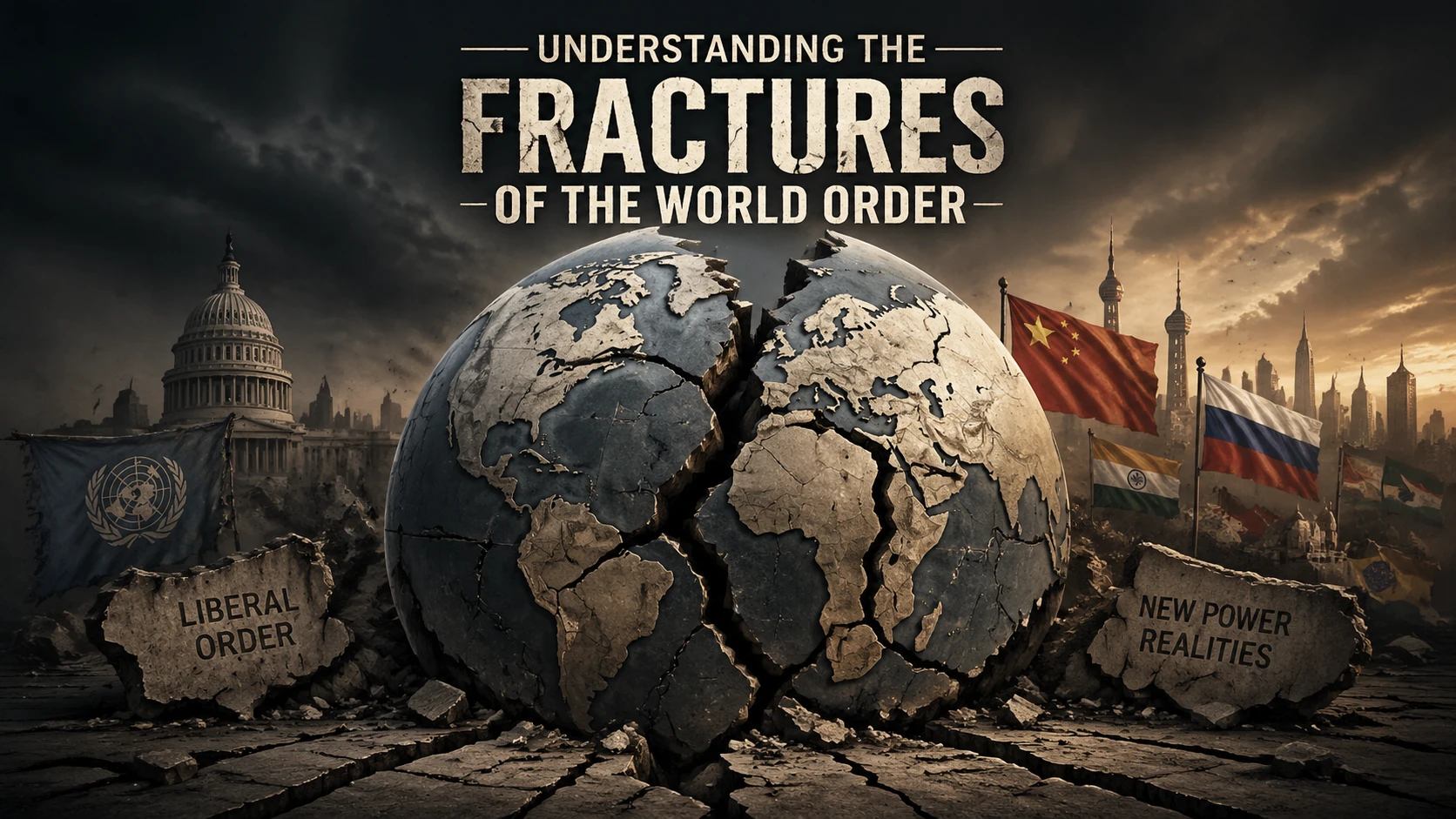
Introduction to the Fractured Global Landscape
In recent years, the world order has become increasingly fractured, driven by a complex interplay of geopolitical, economic, and socio-cultural tensions. Traditional theories on global dynamics, such as those proposed by Samuel Huntington and Emmanuel Todd, have provided valuable insights but often fall short of encapsulating the multifaceted reality of today’s international relations. Huntington’s “Clash of Civilizations” framework, for instance, posits that cultural and civilizational divisions are primary sources of conflict. While insightful, this perspective can neglect the underlying economic and technological factors that also spur friction between nations.
Similarly, Todd’s analyses emphasize demographic shifts and their implications on power structures, yet they may overlook the transformative role of information exchange and digital technologies. Thus, there lies a need for an integrative framework that better accounts for the dynamic interaction of various fractures. These fractures manifest not just in territorial disputes but also within economic inequalities, energy dependencies, and technological disparities. Each element contributes to the overall instability of the global landscape.
The current state of international relations is further complicated by the rise of non-state actors and the increasing significance of global networks. This interconnectivity means that tensions in one region can have far-reaching implications, affecting other areas in unpredictable ways. Understanding these fractures necessitates a comprehensive approach that examines not only the obvious geopolitical struggles but also the deeper structural causes rooted in economic, technological, and civilizational contexts.
As we explore the fractured global landscape, it becomes apparent that addressing these challenges will require innovative thinking and collaborative solutions. Only by recognizing the interconnected nature of these fractures can policymakers and scholars hope to navigate the pathways toward a more stable world order.
The Seven Fractures of the World Order
The current global landscape is characterized by seven distinct fractures that intricately shape international relations and state behavior. The first fracture involves geopolitical rivalries among major powers, particularly evident in the interactions between the United States, China, and Russia. These rivalries often manifest in contests over influence in regions like Eastern Europe and the South China Sea, impacting global stability and security.
Secondly, economic divides are prevalent as countries adopt different economic models. The contrasting approaches of capitalism, socialism, and emerging economies have created schisms in trade, investment, and wealth distribution. These economic divides can result in tensions, as nations pursue policies that prioritize their economic interests.
Moreover, energy challenges constitute a significant fracture, particularly during transitions to sustainable and renewable sources. The competition for energy resources, alongside the shift from fossil fuels, leads to geopolitical tensions, especially in regions rich in energy reserves.
The fourth fracture pertains to technological disparities. The digital divide has significant implications for economic growth and national security, with advanced nations looking to maintain their technological edge over others. This disparity fosters issues of inequality and vulnerability among nations.
Within the realm of information, narrative control has become increasingly critical. States and non-state actors leverage information as a tool of influence, resulting in various forms of misinformation and propaganda that can manipulate public perception and international relations.
Furthermore, internal socio-political fractures within countries contribute to instability. Political polarization, ethnic tensions, and social unrest challenge governance and can lead to regional instability, influencing broader geopolitical outcomes.
Lastly, civilizational differences, often defined by cultural and religious identities, present another fracture. These differences can contribute to misunderstandings and conflicts that elevate tensions on the global stage.
These seven fractures are not isolated; they interact and amplify one another, fundamentally influencing the dynamics of power and the behavior of states in the contemporary world order.
The Case of Romania: Navigating the Fractures
Romania occupies a unique strategic position within the framework of global fractures, particularly at the intersection of Eastern and Western influences. The geopolitical landscape surrounding Romania presents both challenges and opportunities. As a member of the European Union and NATO, Romania is entrenched in a complex web of international commitments that affect its decision-making capacity. However, this membership also grants Romania greater autonomy in pursuing its interests on the global stage.
One of the most pressing challenges facing Romania is its reliance on energy imports, notably from Russia. This dependency poses significant risks, especially as geopolitical tensions escalate. To mitigate this vulnerability, Romania is actively exploring alternative energy sources and fostering regional partnerships to enhance its energy security. Investments in renewable energy infrastructure not only serve to minimize energy dependence but also enable Romania to position itself as a regional leader in sustainable development.
Additionally, Romania must navigate its socio-internal fractures, including ethnic diversity and socio-economic disparities. These internal dynamics can affect national cohesion and the overall stability of governance. The effectiveness of decision-making processes is crucial in addressing these internal challenges, whereby promoting inclusivity and fostering civic engagement can strengthen the fabric of Romanian society.
In terms of technology and information, Romania has the potential to harness its burgeoning tech industry to enhance its strategic significance. By investing in technological innovation and bolstering its cybersecurity measures, Romania can ensure its place as a trustworthy partner within the international arena. The ability to manage informational fractures will enable Romania to better counter misinformation and unite its population under a shared vision of progress.
Ultimately, Romania stands at a crossroads; its capacity to navigate these complexities will dictate whether it evolves into a fully independent state or a regional pivot, influencing the broader dynamics within the European context and beyond.
Conclusion: The Future of the World Order and State Power
The evolution of the global order is increasingly influenced by the balance of internal and external factors that states must navigate. As highlighted in the discussions informed by Huntington and Todd, internal coherence becomes paramount in establishing a state’s resilience against the multitude of global fractures. The multifaceted dynamics of state power in the 21st century suggest that nations must foster robust internal structures while simultaneously engaging with the complex and often fractious international landscape.
In this environment, a coherent set of strategic objectives is essential for states to effectively mold the future global architecture. A clear vision, coupled with the ability to implement coherent policies, will dictate how nations manage both their internal vulnerabilities and the external pressures emanating from other states and non-state actors. Failure to address these aspects can leave states susceptible to external influences and strategies that may exploit their weaknesses.
Furthermore, as globalization deepens and interdependencies grow, the repercussions of domestic discord can have far-reaching implications for international relations. Nations that neglect the importance of understanding and managing their fractures may find themselves at the mercy of external powers that wield influence over global narratives and strategic outcomes. Therefore, the ability of a state to maintain internal cohesion will not only define its prospects for survival but also its role within the evolving geopolitical landscape.
Ultimately, the future of the world order will be shaped by the collective adaptability of states in addressing their internal challenges while engaging with global complexities. Those who succeed in fostering coherence while navigating external fractures will emerge as key players in redefining a world increasingly marked by uncertainty and change.