























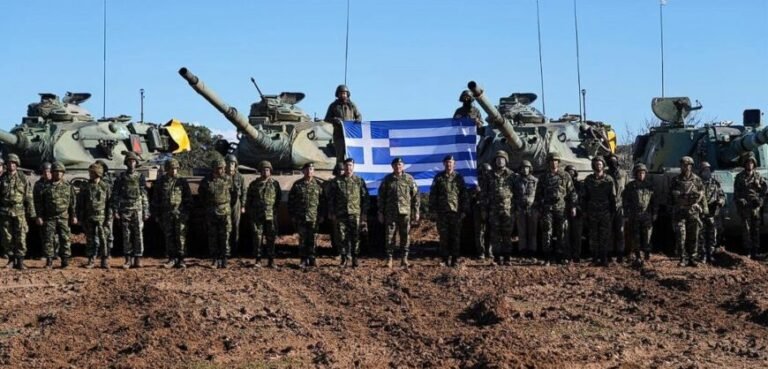
Introduction to the Military Reform Bill
Greece’s Defense Ministry has proposed a new military reform bill that marks a pivotal advancement in the structure and efficiency of the nation’s armed forces. The primary aim of this legislation is to modernize the military framework, ensuring that Greece’s defense capabilities align with contemporary threats and global trends. This reform is part of a broader initiative known as Agenda 2030, aimed at enhancing national security through comprehensive strategic reviews and implementation of innovative military practices.
The bill has been submitted to the Greek Parliament following the endorsement from the Minister of National Defense. His role has been instrumental in guiding the proposal through the complex legislative process, ensuring that it meets the requirements of both national defense objectives and international obligations. Furthermore, the approval of the bill was facilitated by the Prime Minister’s Council of Ministers, which reflects the government’s commitment to reinforcing the nation’s defense policies.
Significantly, the Military Reform Bill is anticipated to influence various aspects of Greece’s military operations, focusing on improving resource allocation, personnel training, and the integration of advanced technology within the armed forces. It is designed to foster a more agile, responsive military structure capable of addressing current and future security challenges. As this reform progresses through the legislative framework, key dates associated with its development underscore the urgency and significance of the proposed changes in maintaining Greece’s strategic interests within the region.
Key Components and Objectives of the Reform Bill
The recently proposed military reform bill by the Ministry of National Defense in Greece aims to usher in a transformative period for the nation’s armed forces. This comprehensive legislative package is driven by a series of key components and objectives which are designed to enhance the overall effectiveness and efficiency of military operations while simultaneously improving the welfare of military personnel.
One of the primary objectives of the reform bill is to enhance the career development of armed forces personnel. This initiative addresses the need for a clear and structured career path within the military, allowing personnel to easily navigate their progress through various ranks and specializations. By establishing transparent frameworks that delineate promotion criteria and professional development opportunities, the reform seeks to increase motivation and retention rates among service members.
Another significant component of the bill is the revision of salary structures for military personnel. Recognizing the need for competitive compensation in attracting and retaining talented individuals, the reform proposes adjustments to the existing salary frameworks. By offering more equitable financial rewards, the Greek armed forces aim to ensure that personnel feel valued and adequately compensated for their service, which is essential for maintaining morale and operational readiness.
Moreover, modernization of military education stands as a crucial focus of the reform bill. To effectively respond to contemporary security challenges, the armed forces must invest in advanced training programs and educational curricula. The bill outlines plans to incorporate modern instructional methods and technologies, ensuring that personnel are not only well-prepared for their current roles but also adaptable to future demands. This objective reflects the recognition of the evolving nature of warfare and the necessity for continuous learning and adaptation.
Through these key components and objectives—the enhancement of career development, restructuring of salary scales, and modernization of educational frameworks—the military reform bill marks a significant step towards fortifying the operational capabilities of Greece’s armed forces and ensuring the welfare of its personnel.
Impact on Military Personnel and Structure
The proposed military reform bill in Greece represents a pivotal change for armed forces personnel, particularly for officers, non-commissioned officers (NCOs), and professional soldiers. As the reforms are implemented, there will be a significant reorganization of ranks and promotion processes designed to foster a more meritocratic environment. This shift aims to motivate military personnel to pursue excellence in their respective roles, thereby enhancing operational effectiveness.
One of the notable changes anticipated within this bill is the restructuring of training opportunities, emphasizing continuous learning and skill development. Military personnel will benefit from enhanced training programs that align with contemporary defense needs. This initiative is crucial, particularly for units stationed in border regions, where adaptability and readiness are paramount. The bill intends to equip soldiers with modern capabilities, ensuring they can respond effectively to varied challenges.
Moreover, the reforms will create clearer pathways for career advancement. By establishing transparent criteria for promotions and postings, the military aims to retain talent within the ranks. This is especially critical in fostering a sense of loyalty and commitment among professional soldiers, who are essential in maintaining national security. The emphasis on meritocracy not only strives to recognize and reward hard work but also seeks to cultivate an inclusive environment where all soldiers feel valued.
In light of these changes, the proposed reform bill is expected to effectively address the evolving needs of Greece’s military forces. By refining the structure and processes governing military personnel, this new framework is poised to enhance operational readiness, strengthen national defense, and ultimately ensure a more effective response to any threats facing the nation.
Future Implications and Conclusion
The military reform bill currently proposed in Greece marks a significant step towards enhancing the capabilities of the armed forces and addressing contemporary security challenges. As Greece navigates an increasingly complex geopolitical landscape, the implications of these reforms are extensive. The primary focus of the bill is to create a more agile, modern military capable of responding to a wide array of threats. This proactive approach aligns closely with Greece’s national security goals, particularly in a region characterized by instabilities and shifting alliances.
One of the anticipated long-term effects of the military reform bill is the enhancement of joint operational capabilities among Greece’s armed forces. By integrating advanced technology and providing comprehensive training programs, the bill aims to foster a unified defense posture. Additionally, the reform is expected to strengthen Greece’s role within NATO and bolster partnerships with other allied nations, ensuring that the Greek military remains a reliable contributor to collective security efforts.
Furthermore, these reforms will play a crucial role in addressing emerging challenges such as cyber threats and asymmetric warfare strategies. The reallocation of resources and investment in intelligence capabilities are vital components of the proposed legislative changes, ensuring that Greece remains vigilant and prepared against multifaceted security risks.
As for the implementation timeline, the government anticipates initiating key elements of the reform within the upcoming fiscal year. However, the journey towards modernization is ongoing and will require continuous assessment and adaptation of strategies to meet evolving military dynamics. All stakeholders must remain committed to this process, fostering an environment conducive to both innovation and strategic foresight.
In conclusion, the military reform bill represents a critical juncture for Greece’s defense capabilities, aimed at enhancing national security and meeting future challenges. The anticipated changes signal a commitment to modernization, ensuring Greece’s military is well-equipped to face the complexities of today’s global security environment.