




















Understanding the Current Landscape of Women’s Rights in Europe
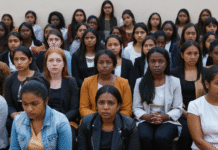
Women’s rights in Europe have advanced significantly over the past few decades; however, numerous challenges remain that threaten this progress. Gender-based violence is one of the most pressing issues, with alarming statistics highlighting the pervasiveness of such acts across the continent. According to recent studies, nearly one in three women has experienced physical or sexual violence since the age of 15, a statistic that underscores the critical reality of women’s safety in various environments.
Moreover, domestic violence remains a severe concern, with many women suffering in silence due to a lack of support resources. Data indicates that 38% of women in the European Union have faced some form of psychological aggression from a partner. This appalling figure illustrates the urgent need for comprehensive policies that protect victims and hold perpetrators accountable. Additionally, the societal stigma surrounding domestic violence often discourages women from seeking help, perpetuating a cycle of abuse.
The prevalence of sexual violence also requires attention, particularly in settings such as workplaces and educational institutions. A significant number of women report experiencing harassment, with only a fraction of these incidents being formally acknowledged or reported. This highlights an alarming discrepancy between the experiences of women and the responses of institutions designed to protect them.
Effective advocacy for women’s rights must address these critical issues while fostering a culture of respect and equality. Throughout Europe, grassroots organizations and policymakers are beginning to challenge the status quo, pushing for legislative reform and greater investment in support services for victims of violence. Nonetheless, there remains a pressing need for a collective societal response to ensure that women, irrespective of their backgrounds, can pursue their rights safely and freely.
The Istanbul Convention: A Framework for Change
The Istanbul Convention, formally known as the Council of Europe Convention on Preventing and Combating Violence Against Women and Domestic Violence, was adopted in 2011 and has since been regarded as a pivotal legal framework designed to empower the rights of women and protect them from violence. This treaty underscores the necessity of comprehensive legal standards and practical measures aimed at eradicating violence against women across Europe. Its ratification signifies a commitment by member states to address various forms of violence, including physical, psychological, and sexual violence.
Over the past 12 years, the Convention has demonstrated its effectiveness through various measures and initiatives. These include the implementation of policies that promote awareness, prevention, and support systems for victims. Countries that have ratified the Convention are required to adopt specific legislation, which fosters an environment where women can seek justice and assistance without fear of stigma or retribution. The Istanbul Convention has been instrumental in shaping national laws and encouraging holistic approaches to combating violence, drawing attention to the societal structures that perpetuate gender-based violence.
The importance of adherence to the Istanbul Convention cannot be overstated. It is essential that all member states not only ratify the treaty but also implement its provisions effective to ensure women’s safety rights are respected and protected. This includes training law enforcement personnel, judicial officers, and social workers to respond adequately to incidents of violence. Moreover, cooperation among European nations is paramount; by sharing best practices, resources, and strategies, countries can strengthen their responses to violence against women. The collaborative spirit fostered by the Istanbul Convention represents a critical step toward establishing a safer environment for women and reinforcing Europe’s collective commitment to gender equality and safety.
Digital Challenges and New Forms of Violence Against Women
The advent of new technologies has profoundly transformed many aspects of modern life, introducing both opportunities and challenges, particularly in relation to women’s rights and safety. As digital spaces become increasingly integral to everyday experiences, they also present new forms of violence that disproportionately affect women. One alarming issue is the misuse of artificial intelligence (AI) to create non-consensual explicit content, often referred to as deepfakes. This technology can manipulate images and videos, making it possible to fabricate realistic-looking but entirely false representations of individuals without their consent. The psychological trauma and social stigma inflicted by such acts can be devastating, highlighting the urgent need for robust legal frameworks to address this issue.
Moreover, women in leadership positions face heightened risks of online harassment, which has become a pervasive problem in various professional and social contexts. The anonymity afforded by the internet often emboldens perpetrators, allowing them to engage in campaigns of intimidation and abuse that can undermine women’s participation in public life. This digital harassment can take many forms, including targeted hate speech, doxxing, and threats of violence, often creating an environment that discourages women from speaking out or pursuing leadership roles.
To combat these modern forms of violence against women, there is an urgent need for comprehensive solutions that encompass legal, technological, and societal dimensions. Stakeholders, including governments, tech companies, and civil society, must collaborate to foster safer digital environments. This could involve implementing stricter regulations on AI-generated content, enhancing reporting mechanisms for online harassment, and promoting digital literacy programs that empower women to navigate online spaces more safely. Addressing these challenges is vital for reinforcing Europe’s commitment to ensuring women’s rights and safety in an increasingly digital world.
Celebrating Progress While Advocating for Continuous Improvement
Every year, International Women’s Day serves as a vital reminder of the significant strides made in the realm of women’s rights across Europe and beyond. This day is not only an opportunity to celebrate the remarkable achievements of women—from groundbreaking leaders and scientists to artists and activists—but also a platform to advocate for the ongoing efforts required to secure gender equality in all areas of society. The emphasis on women’s empowerment is increasingly crucial as we acknowledge both the accomplishments and the challenges that persist.
Despite the progress made, many obstacles remain that impact women’s safety and opportunities. For instance, women are still underrepresented in leadership positions across various sectors, including politics, business, and technology. To rectify this disparity, it is imperative to promote environments where women feel not only encouraged but also equipped to pursue leadership roles. Initiatives aimed at mentoring and professional development can play a crucial role in bridging this gap, ensuring that women can ascend to decision-making positions.
Furthermore, achieving true equality necessitates a collective commitment to dismantling systemic barriers that hinder women’s advancement. Organizations and individuals alike must engage in advocacy efforts that address issues such as gender-based violence and workplace discrimination. By fostering a culture of inclusivity, we can create safe spaces for women’s voices and perspectives to flourish. This communal effort is as vital as the achievements we celebrate today, forming a foundational component of the movement towards gender parity.
In conclusion, while we honor the progress made in women’s rights and safety, the call to action remains loud and clear. It is essential for all stakeholders to collaborate and champion policies and practices that support women’s empowerment, thereby fostering a truly inclusive Europe. The journey towards equality is ongoing, and it requires the dedication of each individual to sustain the momentum and advocate for meaningful change.