





















The Surge in Irregular Migration to Crete
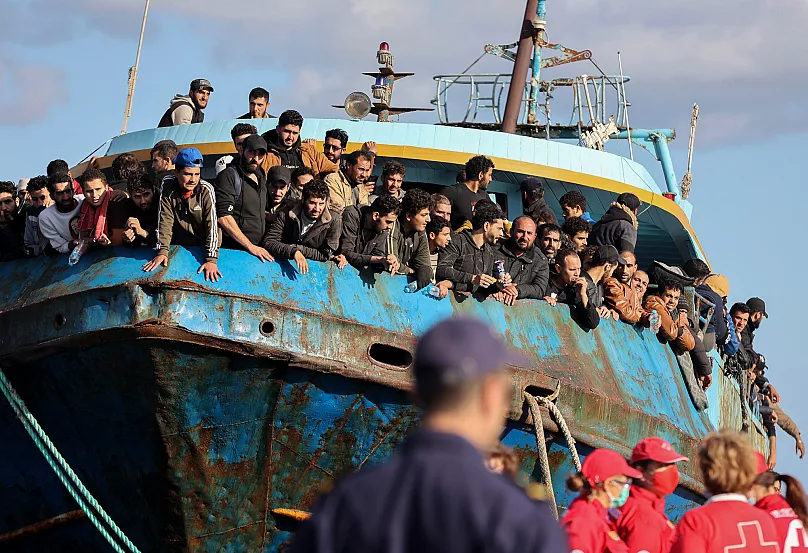
Crete, the largest of the Greek islands, has recently become a significant focal point in the context of irregular migration. Over the past year, the island has witnessed a dramatic increase in migrant arrivals, with reports indicating that numbers have increased threefold compared to previous years. This surge stands in stark contrast to the broader decline in migration trends observed across Europe, raising critical questions about the factors influencing this specific rise.
Several underlying reasons contribute to this spike in irregular migration to Crete. Geopolitical developments in Africa and the Middle East play a crucial role, with ongoing conflicts and instability prompting many individuals to seek refuge in Europe. Countries such as Libya and Syria continue to grapple with turmoil, leading to an influx of migrants who aim to escape such dire situations. Furthermore, shifts in migration patterns are becoming apparent as changing smuggling routes have made Crete a more accessible destination for those seeking to enter Europe.
The implications of this surge are multifaceted and can affect both the local population and the broader framework of European migration policies. As Crete becomes a primary landing point for irregular migrants, local authorities face increasing pressures on resources and infrastructure, challenging their capacity to effectively manage these arrivals. Moreover, this rise influences European Union policies, potentially prompting a reevaluation of border controls and humanitarian responses aimed at irregular migration.
The intersection of geopolitical factors, evolving smuggling operations, and the implications for local and European authorities underscores the complexity surrounding this issue. As migration to Crete continues to rise, understanding the nuances of this phenomenon is essential for addressing the emerging challenges and framing effective policy responses.
The Role of Technology in Monitoring Migration Routes
In recent years, the significant increase in illegal migration into Europe, particularly via the Mediterranean routes around Crete, has prompted enhanced surveillance and monitoring efforts. To address these challenges, various innovative technologies have been deployed, fundamentally changing the landscape of border management. Drones, satellite imagery, and advanced radar systems have become critical tools in tracking migratory patterns and overseeing maritime activities.
Drones, for instance, play a crucial role in real-time surveillance of migration routes. These unmanned aerial vehicles (UAVs) are equipped with high-resolution cameras and advanced sensors that enable authorities to monitor vast stretches of ocean, often unreachable by traditional means. The capacity of drones to cover extensive areas quickly allows them to detect and respond to distress situations more efficiently. This capability is particularly valuable in emergencies, where rapid intervention is imperative to save lives.
Moreover, Frontex, the European Border and Coast Guard Agency, has increasingly integrated these technological advancements into its operational strategies. The use of these high-tech resources not only aids in patrolling but also enhances intelligence gathering. Data collected can provide insights into migration trends, enabling better strategic decision-making by authorities. The analysis of movement patterns and the identification of potential smuggling routes can help in preemptive measures that mitigate illegal crossings.
Furthermore, the employment of automated systems for processing data received from various technological means contributes to improved efficiency in response coordination. This integration of technology facilitates a cohesive operation across different jurisdictions, promoting collaboration among member states. Thus, it becomes clear that technology is not merely a supplementary asset in the management of migration but a transformative factor that significantly enhances operational capabilities.
Impact of Tougher EU Migration Policies
The increasing pressures of migration have led the European Union (EU) to implement stringent migration policies designed to control and manage inflows of migrants, particularly in countries like Greece. Recent legislative changes have raised significant concerns regarding the treatment of asylum seekers and the overall humanitarian implications of such measures. One notable development is Greece’s suspension of asylum claims for individuals arriving through certain routes, effectively limiting the legal avenues available to many vulnerable migrants. This move reflects a broader trend within the EU to tighten border controls and transition towards a more enforcement-based approach.
Furthermore, the introduction of detention for those whose asylum applications have been rejected presents a drastic change in the management of migration. This policy is intended to expedite deportations and deter further attempts at illegal crossings; however, its implementation has resulted in dire consequences for affected individuals. Detained migrants often endure prolonged periods of uncertainty and potential mistreatment, contributing to deteriorating mental health and well-being.
The EU, on its part, is drafting new migration rules aimed at establishing a shared responsibility among member states for the processing and care of incoming migrants. This proposal seeks to address concerns over inequity in how different nations handle asylum seekers, particularly as frontline countries like Greece face disproportionate pressures. Nonetheless, the critique that these rules overlook the fundamental rights of migrants remains prevalent, indicating a potential clash between enforcement and compassion.
The evolving policies have not only affected migrants but have also sparked significant political debates within Athens and Brussels. As public opinion shifts, the challenge for policymakers will be to balance national interests with humanitarian obligations, ensuring that a cohesive response to migration does not come at the expense of human rights. Thus, the impact of tougher EU migration policies continues to be a critical issue for both migrants and policymakers on the continent.
Humanitarian Implications and Future Outlook
The rising number of migrant crossings to Crete has unveiled significant humanitarian challenges, particularly as these journeys are often fraught with peril. Many migrants are resorting to longer routes to evade increased border enforcement, which unfortunately enhances their risks. As they traverse perilous waters in overcrowded and unseaworthy vessels, the chances of encountering fatal incidents escalate dramatically. This precarious situation is further exacerbated by the Mediterranean Sea’s changing weather and sea conditions, leading to an alarming increase in recorded fatalities.
Data indicates that thousands of individuals have perished or gone missing while attempting to reach safe havens in Europe. These tragic statistics reflect a grim reality where some estimates suggest that the Mediterranean remains one of the deadliest migration routes globally. Consequently, each reported missing person represents not only a statistic but a tragic illustration of the desperate circumstances prompting these individuals to undertake such treacherous exchanges. The humanitarian implications are profound, affecting not only those directly involved but also the communities and nations that process these migrants.
Looking beyond immediate humanitarian needs, it is crucial to understand the broader international implications of this migration crisis. The urgency for comprehensive solutions is palpable, especially solutions that reconcile border security with humanitarian responsibilities. Policymakers are faced with the challenge of addressing the immediate safety of migrants while also developing strategies to enhance legal pathways for migration and improve rescue operations at sea. Potential future scenarios may emerge as countries grapple with balancing these complexities. As migration trends in Europe evolve, stakeholders must prioritize collaborative efforts aimed at reducing risks, protecting lives, and ensuring that fundamental human rights are upheld, as the stakes have never been higher.