


















Introduction: The Complexities of Modern Warfare
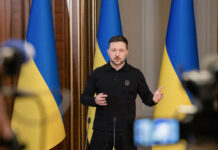
The contemporary geopolitical landscape is characterized by a multitude of conflicts and tensions, notably the ongoing battles in Ukraine and the complexities surrounding Iran. Both countries are not only pivotal in their respective regions but also play significant roles on the global stage. The situation in Ukraine, following Russia’s military incursion, highlights the fragility of European security and has profound implications for NATO dynamics and European unity. Meanwhile, Iran’s contentious nuclear program and its influence in regional conflicts present a multifaceted challenge to international diplomacy.
The interplay between domestic politics and foreign policy is critical in understanding these conflicts. Each nation grapples with its historical context, national identity, and aspirations, complicating efforts toward achieving peace. The urgency of resolving these disputes is amplified by ongoing humanitarian crises, and the international community’s responses often reflect the geopolitical interests of involved powers rather than a collective approach to peace and stability.
As the political climate continues to evolve, the potential for change in leadership, particularly with discussions surrounding Trump’s possible second term, adds a layer of uncertainty. Trump’s administration previously adopted a distinctive stance towards foreign relations, favoring direct negotiations over traditional diplomatic efforts. This approach raises questions about future strategies in managing existing conflicts, especially those involving Ukraine and Iran. The complexity of modern warfare is evident, requiring not only military solutions but also a nuanced understanding of political, economic, and social factors at play.
As we delve deeper into the ramifications of these conflicts and the potential shifts in U.S. policy, it is essential to recognize that the path toward resolution is fraught with challenges. The need for a coherent and forward-thinking strategy remains paramount to navigate the tumultuous waters of contemporary international relations.
Trump’s Diplomatic Moves: A Shift in Focus
In recent months, former President Donald Trump has made several notable diplomatic maneuvers that signal a shifting approach to international relations. One of the most significant developments was his brief engagement with Venezuelan affairs, where he indicated a willingness to support opposition groups against the current regime. Trump’s comments suggested a focus on promoting democratic values, although critics questioned the viability and implications of such a stance. The complexities of Venezuelan politics highlight the intricate nature of foreign interventions and the delicate balance leaders must achieve.
Moreover, Trump’s remarks regarding Canada have drawn attention. He has highlighted trade and economic issues, reflecting his administration’s longstanding emphasis on nationalist economic policies. Trump’s criticism of Canadian trade practices illustrates his inclination to adopt a transactional approach to diplomacy. This change emphasizes bilateral negotiations over multilateral agreements, mirroring his “America First” strategy. Such comments have been met with mixed reactions from Canadian leaders, who have expressed concerns about potential disruptions in the long-standing U.S.-Canada relationship.
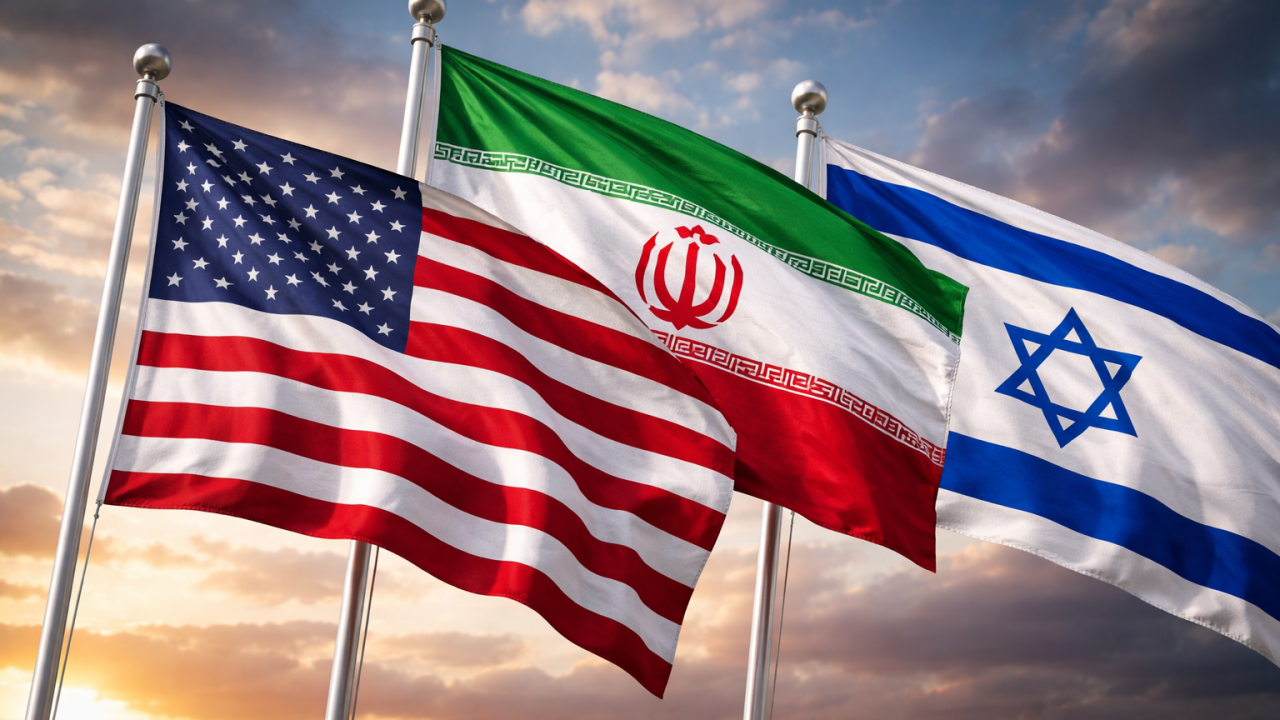
Perhaps the most controversial of Trump’s recent actions has been his surprisingly aggressive stance towards Iran. Following a surge in tensions, Trump openly criticized Iran’s nuclear ambitions and reiterated his administration’s commitment to countering Iran’s influence in the Middle East. These remarks escalated concerns among global leaders about the potential for conflict, as many nations seek to maintain diplomatic ties with Iran while navigating the increasingly fractious geopolitical landscape. Trump’s rhetoric appears to have energized both allies and adversaries, prompting calls for reassessment of strategic alliances and a reevaluation of how nations interact in these contentious environments.
The Consequences of Aggression: Oil, War, and Diplomacy
The geopolitical landscape, particularly in the Middle East, has been significantly influenced by recent aggressions, including the Israeli attacks on Hezbollah. These developments not only heighten tensions but also pose critical implications for global oil markets, especially regarding the vital passage through the Strait of Hormuz. This narrow waterway is a strategic chokepoint for oil shipments, with a substantial percentage of the world’s oil supply transiting through it. The threat to this route can lead to increased oil prices and, consequently, greater economic instability worldwide.
President Trump’s administration has adopted a stance that some perceive as less restrained in its foreign policy, potentially further escalating existing conflicts in the region. His approach, characterized by a willingness to confront adversaries, raises concerns about the broader implications for international diplomacy and stability. The potential for military engagement has become more pronounced, particularly as the threat of retaliation from groups like Hezbollah and the Iranian regime looms larger following aggressive actions.
Furthermore, the pursuit of ceasefire agreements in the region appears to be increasingly delicate and fraught with challenges. Efforts by various stakeholders to de-escalate the tensions have faced significant hurdles, as the acts of aggression continue to provoke retaliatory responses. Regional powers, alongside international actors, find themselves in a complex game of diplomacy, attempting to navigate the repercussions of military actions while maintaining vital economic interests, particularly in energy markets.
As these dynamics evolve, the consequences of aggression in the Middle East will not only be felt in terms of immediate military outcomes but will also reverberate through the global oil economy and international diplomatic relations. The intersection of oil, war, and aggressive posturing is thus a critical area for ongoing analysis and monitoring, as actions taken today will undoubtedly shape the landscape of tomorrow.
Reflections on Leadership: Trump’s Unconventional Style
Former U.S. President Donald Trump’s leadership style has often been characterized as unconventional, prompting significant debate among scholars, politicians, and citizens alike. His approach was marked by a blend of bravado, direct communication via social media, and a willingness to challenge traditional diplomatic norms. Trump’s method of engaging the public and political leaders alike has sparked mixed reactions, with some praising his forthrightness and others condemning his divisive rhetoric.
The public and media response to Trump’s leadership was polarized. His supporters argued that his straightforward manner resonated with a populace tired of political correctness and conventional politician speak. Conversely, critics accused him of irresponsibility and undermining the dignity of the office by repeatedly making controversial statements. The most glaring example of this was his handling of diplomatic disputes, including his interactions with allies and adversaries. His tendency to label countries in a derogatory manner or dismiss long-standing agreements created uncertainty in international relations.
Criticism has stemmed not only from Americans but also from global leaders. Many expressed concern over Trump’s verbal missteps, fearing they could lead to escalated tensions. For instance, his comments regarding NATO and trade agreements raised alarms about the United States’ commitments on the world stage, potentially destabilizing long-standing alliances. The implications of such remarks raised serious questions about peace and war during his administration, with critics warning that a lack of predictability could foster aggression from adversarial states. In understanding Trump’s leadership style, the complexity of his impact on global geopolitics becomes evident, showcasing a unique intersection of domestic politics and international relations.