























Understanding Smart Technology
Smart technology refers to systems and devices that are capable of performing tasks with some degree of autonomy or intelligent decision-making capabilities. At its core, smart technology is characterized by its ability to collect, analyze, and utilize data to optimize processes and improve user experience. This technology harnesses elements such as artificial intelligence, machine learning, sensors, and connectivity, creating a seamless integration between the digital and physical realms.
One of the most familiar forms of smart technology can be seen in home automation systems. Devices such as smart thermostats, lighting systems, and security cameras allow homeowners to control their environment remotely, often via smartphone applications. These innovations not only simplify everyday tasks but also enhance energy efficiency and home security, marking a significant shift in how we interact with our living spaces.
Moreover, smart technology extends its influence into the healthcare sector. Wearable devices, such as fitness trackers and smartwatches, monitor an individual’s health metrics, providing vital data that can inform personal health decisions and contribute to preventive care. Hospitals are integrating smart medical equipment that assists in patient monitoring, thereby improving the efficiency of treatment protocols and patient outcomes.
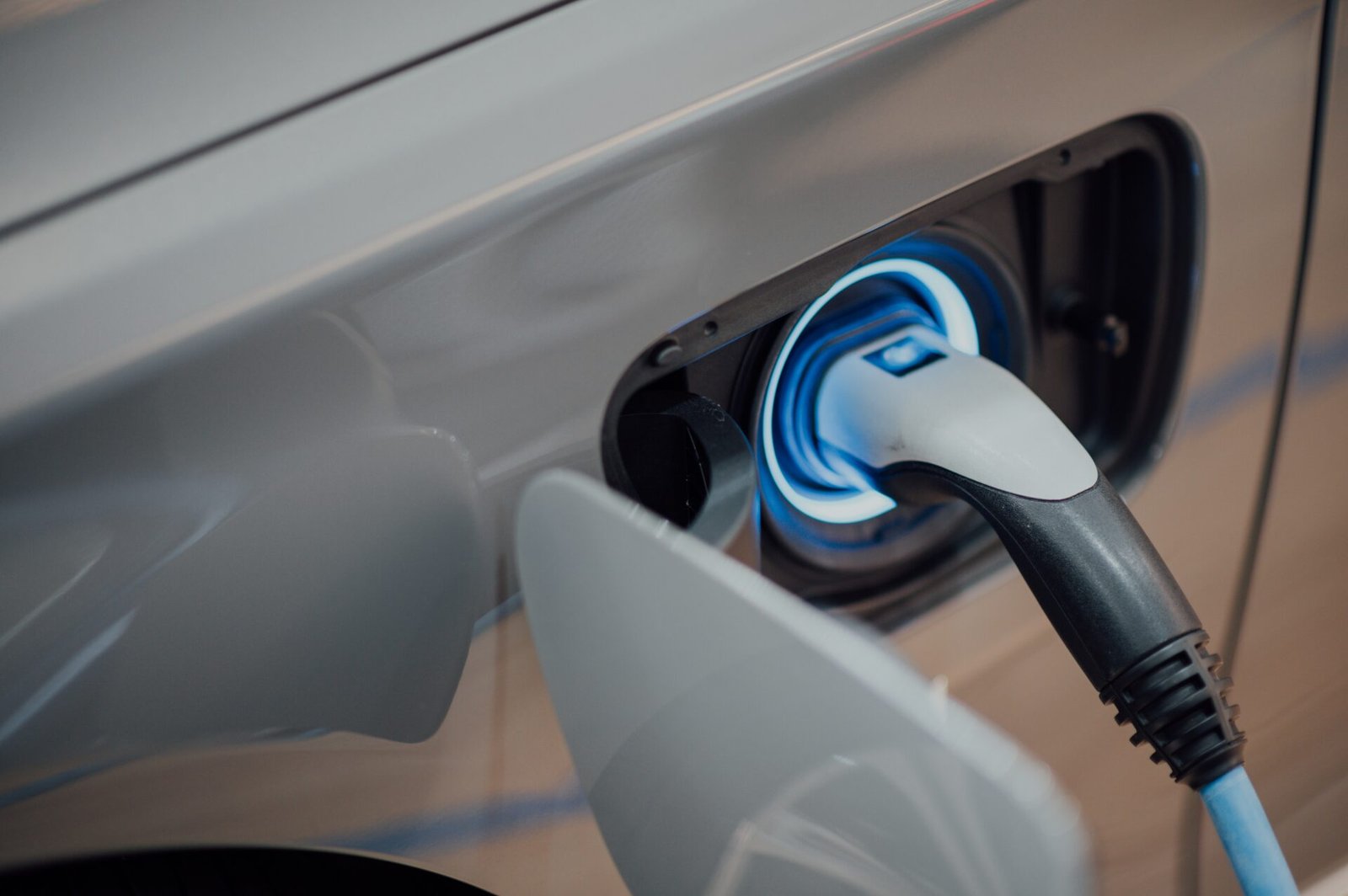
Transportation is yet another domain where smart technology plays a pivotal role. The emergence of smart vehicles equipped with advanced telematics and collision avoidance systems is transforming how people commute. These technologies not only enhance safety but also facilitate the development of autonomous vehicles, which could revolutionize the overall transport landscape in the coming years.
Overall, smart technology is reshaping various aspects of our lives, thereby driving innovation and efficiency across sectors. The integration of such intelligent systems underscores their relevance in today’s fast-paced, information-driven world, positioning them as essential assets for the future.
Benefits of Smart Devices
The advent of smart technology marks a significant milestone in how individuals and businesses operate daily. The implementation of smart devices has brought about numerous benefits that enhance overall quality of life. One of the primary advantages is the convenience these devices offer. For instance, smart home systems enable users to control lighting, heating, and security features remotely through smartphones or voice commands. This connectivity not only simplifies everyday tasks but also allows for greater flexibility in managing home environments.
Efficiency is another critical benefit of smart devices. Automation features found in smart appliances can significantly reduce the time spent on mundane tasks. For example, smart washing machines can operate on a set schedule, optimizing energy use and ensuring that laundry is completed during off-peak hours. This not only saves time but contributes to lower utility bills, as energy demand shifts to more cost-effective periods.
Moreover, many smart devices are designed with energy conservation in mind. By monitoring usage patterns and making real-time adjustments, these technologies can help users minimize their carbon footprints. Smart thermostats, for example, learn household habits to adjust temperatures accordingly, thus saving energy without sacrificing comfort.
In terms of safety, the integration of smart technology has been transformative. Connected security systems enable users to monitor their properties in real-time, providing peace of mind whether they are at home or away. Alerts can be sent directly to smartphones in the event of unusual activity, allowing for prompt action. These technologies can play a pivotal role in reducing crime rates and enhancing community safety.
Through these real-world examples and functionalities, it is evident that the adoption of smart devices yields numerous benefits, making everyday life more convenient, efficient, energy-conscious, and secure.
Challenges and Considerations
As smart technology continues to advance rapidly, several challenges arise that necessitate further examination. One primary concern is the issue of privacy. With devices collecting vast amounts of personal data, there is potential for misuse or unauthorized access to sensitive information. Users must navigate their rights to privacy versus the conveniences offered by these technologies, leading to growing calls for stronger regulations and best practices to secure personal data.
Another significant challenge pertains to compatibility and standardization across various smart devices. As diverse manufacturers enter the market, discrepancies in communication protocols can lead to frustrating user experiences. This fragmentation can hinder seamless integration, stifle innovation, and ultimately restrict the potential benefits of smart technology. To alleviate this, industry-wide standards must be established to ensure interoperability among devices, fostering a more unified ecosystem.
Additionally, the notion of a digital divide cannot be overlooked. While smart technology has the potential to elevate life quality significantly, access remains a critical barrier for many individuals and communities. Disparities in technology access can exacerbate existing inequalities, creating a scenario where only a privileged subset of society reaps the benefits of these innovations while others are left behind. It is essential to advocate for inclusive policies and programs that address this divide, promoting digital literacy and accessibility in all regions.
Furthermore, as society embraces smart technology, there is a pressing need for responsible use and thoughtful implementation. Stakeholders must remain vigilant about the ethical implications of their choices, ensuring that advancements contribute to sustainability and do not compromise the well-being of future generations. Emphasizing responsible practices will help build trust among users, ensuring that smart technology serves as a force for good.
The Future of Smart Technology
The landscape of smart technology is continuously evolving, driven by advancements in artificial intelligence, machine learning, and the Internet of Things (IoT). As we look towards the future, we can expect these technologies to become increasingly interconnected, creating a more seamless integration between devices and systems. This transformation will not only enhance individual user experiences but also generate greater efficiencies across various sectors, including healthcare, transportation, and urban development.
One significant trend is the emergence of 5G technology, which promises significantly faster data transmission rates and reduced latency. This will facilitate the deployment of smart city initiatives, where interconnected systems can manage resources more effectively. For instance, traffic management systems could utilize real-time data to optimize vehicle flow, leading to reduced congestion and lower emissions. In healthcare, smart wearables integrated with AI could provide personalized health monitoring, potentially predicting medical conditions before they escalate.
Moreover, as technology becomes more sophisticated, ethical considerations will also come to the forefront. Issues related to data privacy, security, and algorithmic bias will require ongoing dialogue among technologists, policymakers, and the public. Businesses will need to adopt responsible practices to ensure that their smart solutions are not only innovative but also aligned with societal values.
Looking ahead, future advancements could include more autonomous systems capable of managing complex tasks independently. Innovations such as self-driving cars and voice-activated home automation systems are just the beginning. As society acclimates to these smart technologies, we may see a shift in employment patterns, with the rise of new job categories focused on technology management and oversight.
In summary, the future of smart technology presents myriad possibilities for enhancing human interaction with the environment. By embracing emergent technologies, society can prepare for a more efficient, secure, and interconnected world. As we transition into this new era, striking a balance between innovation and ethical responsibility will be crucial for harnessing smart technologies’ full potential.