

















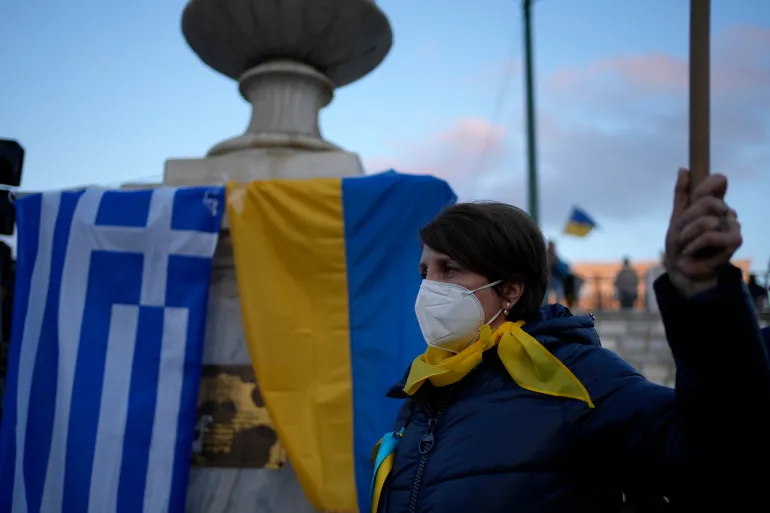
Struggling to Endure: The Psychological Toll of War
The ongoing conflict in Ukraine has imposed a significant psychological burden on its citizens, particularly within the Greek community. Individuals such as Nina Plechak-Paskal candidly share their experiences of living under the constant threat of missile and drone strikes. The psychological toll of war manifests not only in behaviors and emotions but also in the quality of life, leaving civilians to navigate the challenges posed by a persistent state of alert. The atmosphere is fraught with anxiety, as each passing day brings new uncertainties about safety and survival.
Daily life in this context is drastically altered, leading to transformative adaptations that are often necessary for coping with the realities of war. The relentless sound of sirens and the unpredictability of attacks intensify the strain of day-to-day existence, where even routine tasks become imbued with dangers. Power outages frequently disrupt communication and essential services, forcing residents to cultivate resilience amidst adversity. In many ways, maintaining some semblance of normalcy becomes a form of resistance, a testament to the human spirit’s capacity to endure.
Nevertheless, even amidst such hardships, hope persists. The Greek community, in particular, exemplifies this spirit of resilience through communal activities that foster a sense of connection and continuity. Engaging in traditions such as baking and distributing traditional sweets serves as a source of comfort and unity. These acts not only provide a flicker of joy during trying times but also reinforce cultural identity, allowing the community to come together in the face of turmoil. It is through these shared moments of togetherness and spirit that individuals like Nina find solace, reinforcing their determination to continue moving forward despite the challenges presented by war.
Peace Talks and Strategic Concerns: Analyzing the U.S. 28-Point Plan
The proposed 28-point peace plan, presented by former President Donald Trump, aims to address the ongoing conflict in Ukraine with a framework that facilitates negotiations between the involved parties. While the initiative is framed as a pathway to peace, it raises critical concerns regarding the implications of rewarding Russia with territorial gains, particularly in light of Ukraine’s sovereignty and security. Vasilis Boubouras, a prominent commentator on international relations, provides insightful analysis on these implications.
One of the major concerns surrounding this peace plan is the perception that concessions may embolden Russia. Granting territorial rewards as part of any agreement could set a dangerous precedent, encouraging further aggression toward Ukraine and other neighboring nations. This potential risk not only jeopardizes Ukraine’s current territorial integrity but also undermines international norms against the forceful alteration of borders. Boubouras argues that such a strategy is short-sighted and primarily serves the interests of major powers without adequately considering the grassroots ramifications for the Ukrainian population.
The complexity of international agreements is evident in this scenario, where assurances need to extend beyond mere paper promises. It is imperative that any peace talks include reliable guarantees that would ensure the protection of Ukraine’s sovereignty, as well as robust mechanisms for conflict resolution. The voices of dissent from various sectors advocate for a more substantial defense strategy, which would not only provide security for Ukraine but also signal to potential aggressors that violations of sovereignty will not be tolerated.
Thus, the current debate underscores the necessity for a multifaceted approach to peacekeeping, one that balances diplomatic negotiations with the need for strong protective measures. The discourse surrounding the U.S. 28-point plan showcases the enduring struggle in seeking a lasting resolution in the face of geopolitical challenges.
A Historical Perspective: The Greek Presence in Ukraine
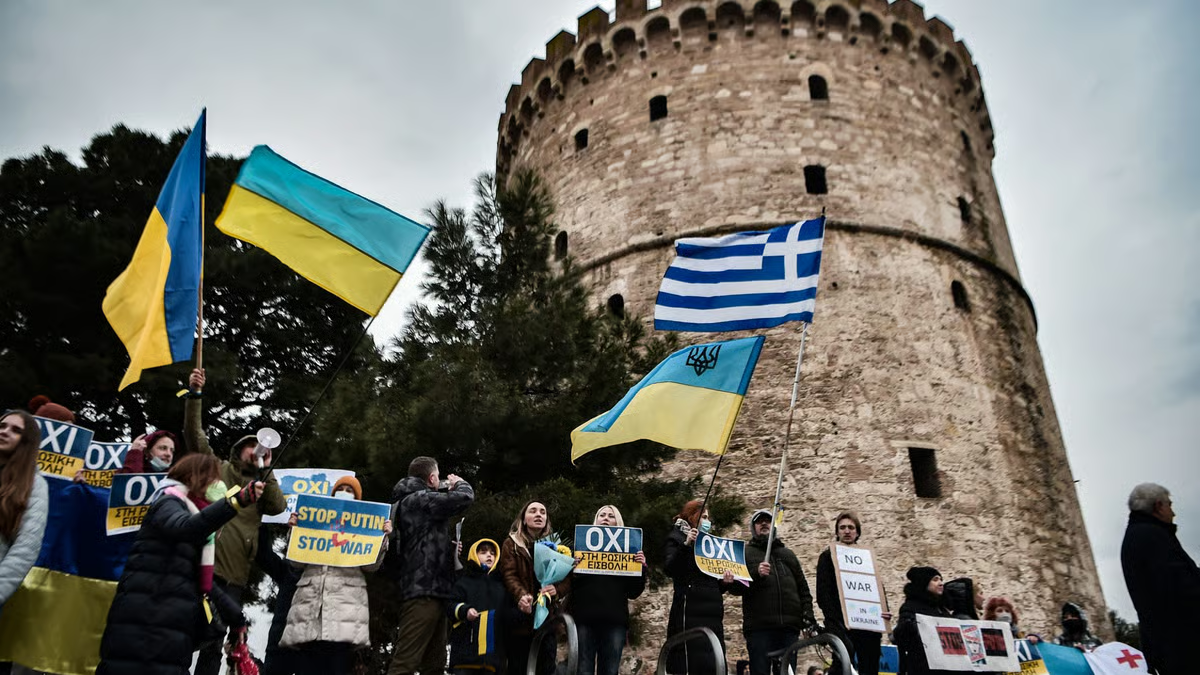
The Greek presence in Ukraine can be traced back to ancient times, when settlers from the Greek world established colonies along the Black Sea coast. These early inhabitants laid the foundations for a rich cultural tapestry that has significantly influenced the region. One of the most notable occurrences in this history was the mass deportations of Greeks under Catherine II in the late 18th century, which led to the resettlement of many Greeks in areas such as the Crimean Peninsula and the Sea of Azov. The establishment of Mariupol emerged as an important point of solace and identity for the Greek community, as it became a vibrant cultural center, fostering traditions, language, and community spirit.
The historical narrative of the Greek community in Ukraine is punctuated by resilience against oppression and a steadfast commitment to preserving their identity. During the tumultuous period of the 2014 conflict in Eastern Ukraine, the Greeks, particularly in regions such as Donetsk and Luhansk, faced enormous challenges but displayed remarkable courage and unity. The Civil War led to significant displacement, loss of life, and threats to cultural heritage, yet the community exhibited a strong will to maintain their traditions through community gatherings, cultural events, and education.
Currently, amidst the ongoing conflict, the Greek community continues to confront various dangers, especially in occupied territories. Personal accounts of individuals illustrate a bravery that is remarkable, demonstrating the capacity of this ethnic group to endure and advocate for their rights. The struggles faced today echo historical experiences yet also inspire hope for future stability. The narrative of the Greek community in Ukraine is not only one of historical significance but serves as testimony to cultural endurance and the quest for dignity amid adversity.
Cultural Identity and Community: Resilience in Adversity
The Greek community in Ukraine has demonstrated remarkable resilience in the face of significant challenges, particularly in the context of ongoing aggression and russification efforts. This minority group, with a rich cultural background, has employed a variety of survival strategies to protect and perpetuate its heritage. Their cultural identity serves as both a source of strength and a unifying factor within the community, essential for maintaining cohesion during turbulent times.
Historical traumas, such as the Great Terror, have left indelible scars on the Greek populace in Ukraine. These events not only instilled a sense of historical awareness but also cultivated a fierce determination among Greek families to remember and uphold their cultural practices and language despite external pressures. As a result, initiatives aimed at celebrating Greek traditions have emerged, reflecting a collective commitment to cultural continuity.
One significant area of focus for the Greek community is education. Schools and cultural organizations have been pivotal in teaching the Greek language and history, ensuring that younger generations remain connected to their roots. Events such as folklore festivals, language courses, and community gatherings reinforce this connection, allowing members to celebrate their identity while fostering relationships with other Hellenic groups in Ukraine.
Moreover, amidst the challenges posed by the current conflicts, the Greeks in Ukraine have increasingly come together to support one another, celebrating their shared heritage. This unity amidst diversity has resulted in collaborative efforts that not only fortify their identity but also contribute positively to the broader Ukrainian society. Their resilience and commitment to preserving their legacy provide a message of hope: the intrinsic connection of the Greek community to Ukrainian statehood signals a robust future, wherein their cultural identity can flourish even amid adversity.