



















Current Global Trends in Women’s Parliamentary Representation
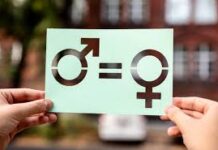
The representation of women in parliaments around the world has witnessed incremental progress in recent years, according to the latest data compiled by the Inter-Parliamentary Union (IPU). As of the most recent report, the global average of women in national parliaments stands at approximately 26.1%, which reflects a meager 0.3 percentage point increase compared to the previous year. This slow growth rate is indicative of the persistent barriers and systemic issues that hinder the advancement of women’s political participation.
Several countries around the globe have conducted parliamentary elections and renewals during this reporting period. Notable trends indicate that many nations, despite constitutional commitments and international pressure for gender equality, continue to fall short of achieving balanced representation. The IPU report highlights that in various regions, women occupy less than one-third of seats in national legislatures, and in some areas, the percentage is exceedingly lower.
This stagnation raises critical concerns regarding the implications for global gender equality in the political landscape. The statistics suggest that while there might be a rising awareness of the need for inclusive governance frameworks, actionable efforts to empower women and enhance their visibility in political roles remain insufficient. In addition, the reported increase of only 0.3 percentage points points towards a trend of complacency that may hamper the progress needed to achieve gender parity.
Examining additional factors, such as political culture and electoral systems, reveals that countries employing gender quotas have generally seen better outcomes in terms of women’s representation. As such, the global community must prioritize efforts to implement and enforce policies that promote gender equality. By doing so, significant strides can be made towards ensuring equitable participation for women in political processes around the world.
Regional Highlights: Where Women are Making Strides
The progress of women’s representation in parliaments varies significantly by region, with the Americas emerging as a leading area for gender parity in political representation. As of the latest data, many countries in this region have made substantial advancements, reflecting their commitment to gender equality within their legislative bodies.
Among these countries, Bolivia stands out with an impressive percentage of female representation. Women currently hold approximately 53% of the seats in the Bolivian parliament, a figure that exemplifies the country’s dedication to promoting gender equality in governance. This remarkable achievement can be attributed to various factors, including constitutional mandates and societal movements advocating for women’s rights.
Cuba also demonstrates strong representation, with women occupying around 53% of its parliamentary positions. This results from long-standing policies aimed at promoting female participation in politics, reinforced by comprehensive education and empowerment initiatives. Nicaragua, likewise, reported a significant presence of women in parliament, with around 45% representation. While these statistics are promising, Nicaragua still faces challenges, especially concerning socio-political dynamics that may hinder further progress.
In contrast, Rwanda has garnered global recognition for achieving near gender parity in its parliament, where approximately 61% of the seats are held by women. This substantial representation stems from both the aftermath of the 1994 genocide, which significantly altered the demographic landscape, and proactive governmental policies aimed at integrating women into decision-making processes. However, challenges remain, such as ensuring that women’s voices are genuinely heard and that their participation translates into impactful policies.
Overall, while there are commendable successes in women’s parliamentary representation across these nations, unique regional challenges persist. Understanding these dynamics is crucial for fostering an environment conducive to equal political participation and representation for women.
The Impact of Quotas on Women’s Legislative Participation
Quotas, whether legislated or voluntary, have been prominent strategies aimed at improving women’s representation in political spheres globally. These mechanisms serve as essential tools in addressing the significant underrepresentation of women in parliamentary frameworks. Research indicates that countries implementing such quotas experience a marked increase in women’s legislative participation. For instance, countries like Kyrgyzstan and Ecuador have made substantial strides in gender parity through quotas, which have proven effective in accelerating the inclusion of women in decision-making roles.
Ecuador stands out as a notable example, as its 2008 constitution mandates that political parties adopt a quota system requiring at least 30% representation of women on electoral lists. As a result, women’s representation in the National Assembly rose from 13% in 2006 to 36% in 2017, demonstrating the real impact of such legislation. Meanwhile, Kyrgyzstan’s revised legislation in 2011 introduced a similar quota system, which has significantly improved women’s participation rates in parliamentary elections.
Statistical evidence illustrates the stark contrast between parliamentary chambers with and without quotas. According to the Inter-Parliamentary Union, countries employing gender quotas typically see, on average, about 23% women representatives, compared to only 15% in those without any quota systems. This discrepancy underscores the vital role of quotas in bridging the gender gap in politics. Furthermore, quotas not only enhance the visibility of women in governance but also empower future generations, fostering a culture of inclusivity and equality in political discourse.
Record-Breaking Achievements Amidst the Challenges
Despite the systemic barriers and slow progress that women have faced in political representation globally, several countries have made significant strides towards gender equality in governance. For instance, Australia has recently reported a remarkable increase in women’s representation within its parliament. As of the latest elections, over 50% of members in the House of Representatives are now women, marking a historic achievement for the nation. This advancement not only signifies a pivotal moment in Australia’s political landscape but also sets a profound example for other countries aspiring to enhance the role of women in politics.
Similarly, in Czechia, women’s representation has seen notable improvements. As of the most recent elections, women occupy approximately 26% of parliamentary seats, reflecting a steady progression toward achieving gender parity. This increase points to a growing recognition of the importance of diverse perspectives in discussions that shape national policies. The success stories from Australia and Czechia serve as a testament to what can be achieved when concerted efforts are made to empower women in political spheres.
The implications of these successes extend beyond mere statistics. They inspire future generations of women to pursue political careers and demonstrate that leadership roles are attainable. Each elected woman represents not only her party but also stands as a symbol of encouragement for young girls who dream of making a difference in politics. Furthermore, these achievements signal to existing political structures the necessity of fostering environments that support women’s participation and candidacy.
While obstacles remain and advancements may not be uniform across all nations, the record-breaking achievements of Australia and Czechia highlight the potential for transformative change in governmental representation. The increased visibility and participation of women in parliaments can contribute to more equitable societal structures, promoting more comprehensive governance that reflects the populations they serve. As more countries look to these examples, women’s representation will continue to evolve, fostering a progressive journey towards gender equality in political systems worldwide.