

















Overview of Attacks on UN Personnel in 2025
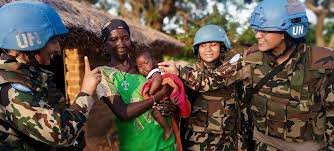
In 2025, the United Nations personnel faced a distressing surge in targeted attacks, marking a significant escalation in violence against those dedicated to humanitarian work. Various incidents highlighted the precarious situation that UN workers encountered in conflict zones, demonstrating how their noble intent often places them in life-threatening circumstances. The types of attacks varied, ranging from armed assaults to bombings, and they occurred in multiple regions where instability reigns.
The motivations behind these attacks are complex, often rooted in broader geopolitical conflicts, violent extremism, and an emerging trend of animosity towards foreign entities perceived as meddlesome. In some instances, insurgent groups targeted UN personnel as symbols of international intervention, viewing their efforts as a threat to their agendas. The humanitarian missions, while aimed at alleviating suffering, have unfortunately made these workers prime targets, reflecting a disheartening aspect of modern conflict.
The impact of these assaults on international peacekeeping efforts cannot be understated. Each incident not only results in tragic loss of life but also has far-reaching consequences on the operational capacity of the UN. Increased insecurity leads to a reduction in the willingness of personnel to engage in high-risk zones, thereby impeding essential humanitarian assistance to affected populations. Furthermore, these attacks can deter potential support from donor countries, which might reconsider their contributions to organizations perceived as vulnerable. This creates a paradox where the very agents meant to foster peace and development are rendered incapable of fulfilling their mandates due to persistent violence.
Overall, the alarming trend of targeted attacks on UN personnel in 2025 highlights the urgent need for measures to enhance the protection of humanitarian workers and reinforces the stark reality that peacekeeping efforts are frequently met with resistance and hostility in the very regions they strive to assist.
The Demographics of the Fallen: Nationality and Roles
In 2025, the United Nations experienced a tragic loss of personnel across various missions aimed at promoting global peace and security. The demographic breakdown of the individuals who lost their lives during this period reveals a poignant reflection of diversity within the UN community. Notably, the fatalities included individuals from numerous countries, showcasing a blend of nationalities that underscores the United Nations’ commitment to inclusivity and collaboration in addressing humanitarian challenges.
Statistics indicate that personnel hailing from over 30 different nations were among those who tragically fell, signifying a wide array of cultural and professional backgrounds. Among the deceased, peacekeeping forces comprised a significant portion of those lost. These individuals were dedicated soldiers, tasked with maintaining peace and order in conflict zones worldwide. Their roles often included engaging directly with local communities to facilitate dialogues aimed at conflict resolution and humanitarian assistance.
In addition to military personnel, numerous civilians also lost their lives while serving under the UN’s banner. These civilians played essential roles in various capacities, including logistics, medical assistance, and humanitarian outreach. Their contributions were vital not only in terms of operational support but also in delivering critical aid to vulnerable populations affected by crises. This tragic loss of life represents a unique blend of commitment and sacrifice, reflecting the many faces of those who dedicated their careers to the humanitarian cause.
The impact of these losses extends beyond statistics, as it highlights the indispensable roles both peacekeeping personnel and civilians play in fulfilling the UN’s mission. Each individual brought forth unique experiences and skills, significantly enriching the international efforts to foster peace and security throughout the globe.
UNRWA Losses: The Untold Story of Gaza Conflict Casualties
The ongoing conflict in Gaza has significantly impacted various sectors of Palestinian society, most notably reflected in the tragic losses experienced by the United Nations Relief and Works Agency for Palestine Refugees in the Near East (UNRWA). Established to assist Palestinian refugees, UNRWA plays a crucial role in providing humanitarian assistance, education, and health services amidst the turmoil. However, during the recent escalation of violence, UNRWA personnel have faced considerable risks, with many casualties reported among its staff.
Casualties among UNRWA employees exemplify the broader humanitarian crisis occurring in the region. These losses not only represent the individuals who dedicated their lives to assisting vulnerable populations but also highlight the existential threats that humanitarian workers endure in conflict zones. The nature of these casualties varies, with some individuals being directly targeted due to their involvement in humanitarian work, while others were inadvertently caught in crossfire. This distinction underscores the complex realities within conflict, where both intentional and collateral damage contribute to the mounting toll on human life.
The implications of violence against humanitarian workers extend beyond immediate losses; they also hinder the delivery of critical services to those in need. In environments where every percentage point of humanitarian access counts, the targeting of personnel can lead to broader service disruptions, ultimately exacerbating the plight of refugees and other affected populations. The precarious situation faced by UNRWA staff reflects a growing pattern of violence against humanitarian aid workers, a trend that poses profound challenges to the principles of humanity and neutrality that underpin humanitarian work.
In conclusion, the casualty figures associated with UNRWA during the Gaza conflict reveal a stark reality—the increasing vulnerability of humanitarian efforts in zones of armed conflict. Highlighting these losses is vital for fostering a deeper understanding of the humanitarian landscape in conflict settings, as well as advocating for the protection of aid workers whose lives are an essential part of the response to crises.
The Need for Enhanced Security Measures and Support
The increasing number of tragic losses in 2025 serves as a stark reminder of the dangers faced by humanitarian workers in conflict zones. To ensure the safety of UN personnel and other aid workers, it is crucial to advocate for enhanced security measures. This would involve not only better risk assessments prior to missions but also the establishment of protocols that prioritize the protection of these individuals in volatile environments. Security training for personnel deployed in regions facing civil unrest can significantly mitigate risks, allowing them to perform their duties more safely.
International organizations have a responsibility to safeguard their workers. By implementing strict security policies and protocols, they can create a safer working atmosphere and demonstrate their commitment to the welfare of personnel. It is essential for these organizations to collaborate with local governments and security forces to provide a cohesive approach to safety. Regular reviews of security measures are also necessary to adapt to evolving threats in these regions.
Furthermore, enhancing global awareness regarding the risks faced by humanitarian workers can play a vital role in preventing future attacks. Informing the public and stakeholders about the challenges and sacrifices made by relief workers can foster greater respect and compliance with the principles of international humanitarian law. Raising awareness through campaigns or educational initiatives can build a culture of safety and accountability.
In addition to developing and enforcing security measures, greater support should be extended to the families of those who have made the ultimate sacrifice. Providing comprehensive support systems can help them cope with grief and secure essential resources for their future. By emphasizing the importance of security for humanitarian missions and advocating for the needs of families left behind, a commitment can be made to honor the fallen and ensure the safety of those who continue their vital work for global peace and humanitarian assistance.