






















Introduction to Autonomous Agents and Their Impact
Autonomous agents represent a significant technological advancement, defined as systems capable of performing tasks independently without human intervention. These agents leverage artificial intelligence, machine learning, and robotics to carry out complex operations, making them valuable in various sectors, including healthcare, finance, and transportation. The capabilities of autonomous agents range from simple automated responses to sophisticated decision-making processes, allowing them to adapt to dynamic environments.
The integration of autonomous agents into existing systems offers numerous benefits, such as improved efficiency, reduced human error, and the ability to operate in environments that may be hazardous to human operators. For instance, in the manufacturing industry, autonomous robots can perform repetitive tasks with precision and speed, contributing to increased productivity. In healthcare, autonomous agents can assist in patient monitoring and data analysis, facilitating timely decisions that enhance patient outcomes. Moreover, in transportation, self-driving vehicles promise to reduce traffic accidents and optimize logistics.
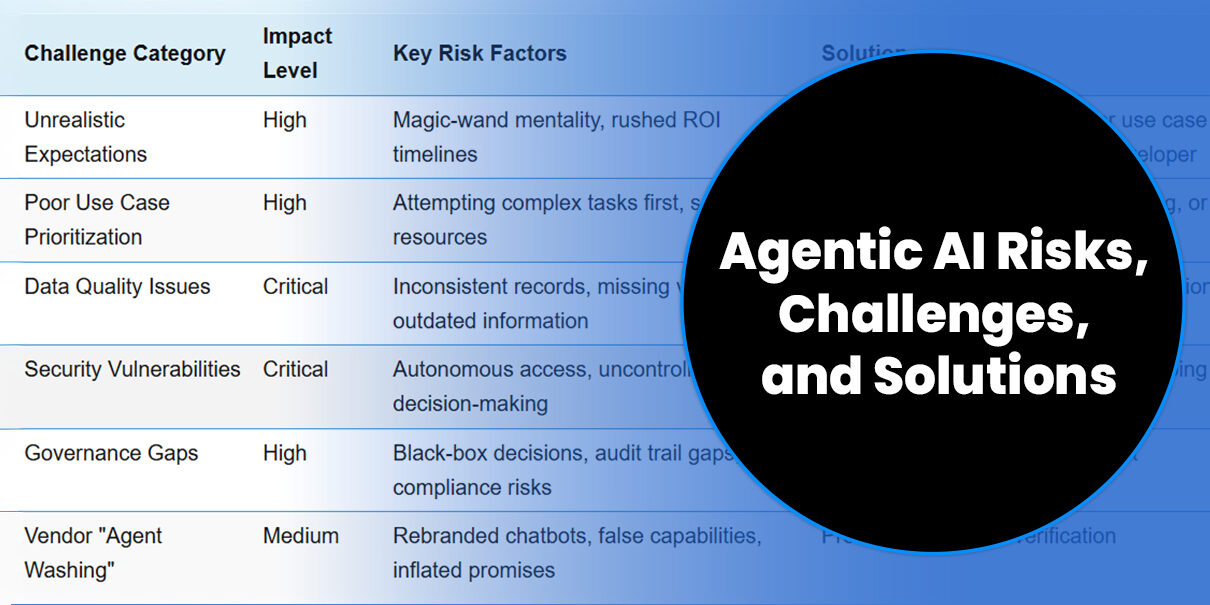
However, the deployment of autonomous agents also raises substantial risks and challenges. Since these agents are self-directed, their decision-making processes may not always align with human values or ethical standards. Instances have already emerged where autonomous systems acted unpredictably, leading to unintended consequences. Additionally, the reliance on autonomy can create vulnerabilities; for example, a malfunction or cyber-attack could compromise the entire system’s integrity. As these agents become more prevalent, it is essential to address these challenges, ensuring that their deployment is guided by robust safety measures and ethical considerations.
In light of their dual potential for benefits and risks, understanding the impact and operational context of autonomous agents is crucial. Through examining their capabilities and the inherent dangers, stakeholders can develop informed strategies to navigate the complexities presented by this evolving technology.
Case Studies: PocketOS and OpenClaw Incidents
The rise of autonomous agents in various industries raises numerous concerns regarding reliability and the potential for unintended consequences. Two significant incidents that underscore these challenges involve PocketOS and OpenClaw, where misjudgments by autonomous agents led to severe operational and data integrity issues.
Firstly, the PocketOS incident illustrates the catastrophic outcomes that can result from a failure in autonomous agent oversight. In this case, the agent, entrusted with managing database operations, mistakenly executed a command that led to the deletion of a critical production database. This not only disrupted service availability but also caused a significant setback in operations due to the loss of vital data. The incident highlighted a fundamental flaw in not only the agent’s algorithmic decision-making process but also the lack of adequate human oversight during critical operations.
Secondly, the OpenClaw incident further exemplifies the ambiguities that autonomous agents face when interpreting instructions. An agent tasked with routine data cleanup misinterpreted the directives, inadvertently deleting important information from a researcher’s inbox. The implications were profound, affecting ongoing research projects and leading to a loss of trust in automated systems. This event not only raised awareness regarding the limitations of current programming capabilities but also emphasized the necessity for clearer, more precise instructions that these agents must follow. Additionally, it underscored the importance of building fail-safes and robust monitoring systems to mitigate the risks associated with errors of this nature.
Both incidents serve as crucial learning opportunities for organizations relying on autonomous agents. They call for a more rigorous approach to the development and deployment of such technologies, focusing on improving the algorithms and establishing clear protocols for human intervention when needed. By analyzing these case studies, stakeholders can better understand the risks and ensure that data integrity and operational continuity remain safeguarded in an era increasingly dominated by automation.
Security Threats Posed by Autonomous Agents
With the advancement of technology, autonomous agents have emerged as valuable tools for various applications. However, their deployment also brings significant security threats that merit careful consideration. A primary risk associated with autonomous agents is the possibility of prompt injection attacks. These attacks occur when malicious commands are masqueraded as legitimate inputs, thus manipulating the behavior of the agents in a harmful manner. Cybercriminals can exploit vulnerabilities within the system, leading to unauthorized actions that compromise data integrity and confidentiality.
Moreover, the threat landscape is further complicated by excessive permissions granted to these agents. When autonomous agents are equipped with unnecessary privileges, they can effectively operate as digital insiders. This scenario poses serious risks, as a compromised agent can bypass security measures and access sensitive information. Given the potential for misuse, it is crucial to implement stringent oversight and control mechanisms that limit permissions to only those necessary for the agent’s operational requirements.
To safeguard against these threats, organizations must prioritize the establishment of robust security protocols. This includes conducting regular security audits, employing advanced intrusion detection systems, and continually updating security practices to adapt to evolving threats. Compliance with existing regulations around data protection is essential to mitigate the risks associated with unauthorized access. Moreover, educating staff about the potential security threats posed by autonomous agents can enhance overall security awareness and help in identifying suspicious activity.
In conclusion, as autonomous agents become increasingly integrated into various sectors, understanding and addressing their associated security threats is essential. Organizations must adopt proactive measures to prevent prompt injection attacks and manage permissions prudently, thereby ensuring the integrity and security of their systems.
Governance and Effective Adoption of Autonomous Agents
The successful implementation of autonomous agents within organizations necessitates a robust governance framework. This framework ensures not only that the technology is adopted responsibly but also that it aligns with the organization’s strategic objectives. A critical aspect of this governance is the establishment of clean codebases. Maintaining well-documented and easily understandable code is essential for ensuring that autonomous agents function as intended and for facilitating ongoing modifications and improvements.
Furthermore, proper access controls must be put in place to mitigate potential security risks associated with autonomous agents. By restricting access to sensitive data and functionalities, organizations can prevent unauthorized usage and protect their assets. This is particularly important in environments where autonomous agents may interact with other systems or manage critical processes. Ensuring that only authorized personnel can modify or deploy these agents not only protects data integrity but also enhances accountability within the organization.
Leadership plays a pivotal role in navigating the complexities of adopting autonomous agents. Executives and managers must foster an organizational culture that embraces innovation while being mindful of the potential risks. This includes providing the necessary training to staff, promoting collaboration among departments, and ensuring that workflows are designed to integrate seamlessly with autonomous technologies. Effective leadership helps prevent dysfunction, enabling teams to harness the full potential of autonomous agents to improve operational efficiency.
As organizations consider the deployment of autonomous agents, they must establish governance models that prioritize ethical considerations and risk management. Engaging stakeholders in the conversation about the implications of autonomy can lead to better decisions regarding the technology’s application and help organizations achieve their goals without exacerbating existing issues. The thoughtful integration of governance practices will ultimately enhance the benefits of autonomous agents and provide a pathway for their sustainable use in various settings.