

Overview of the IAEA International Conference
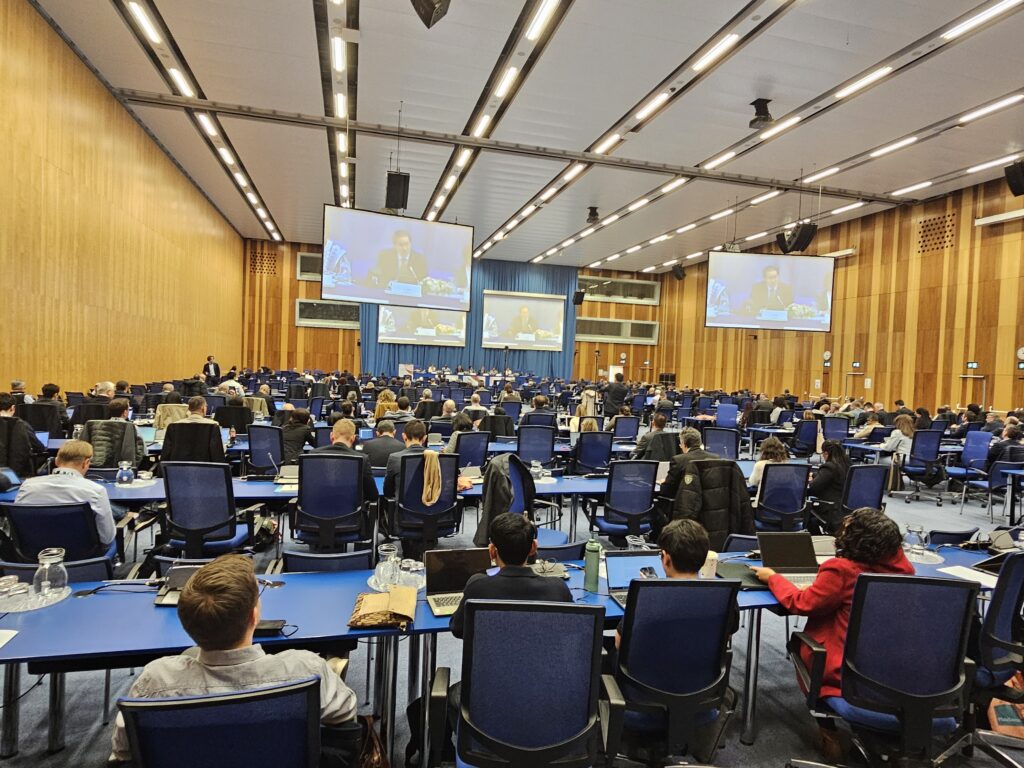
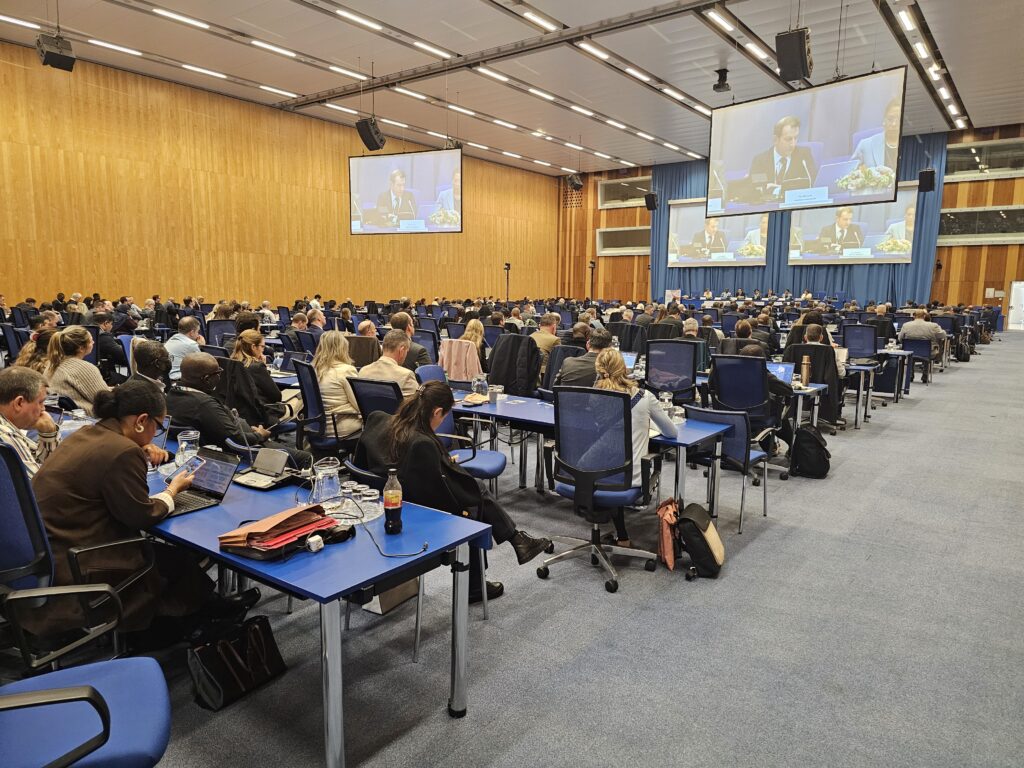
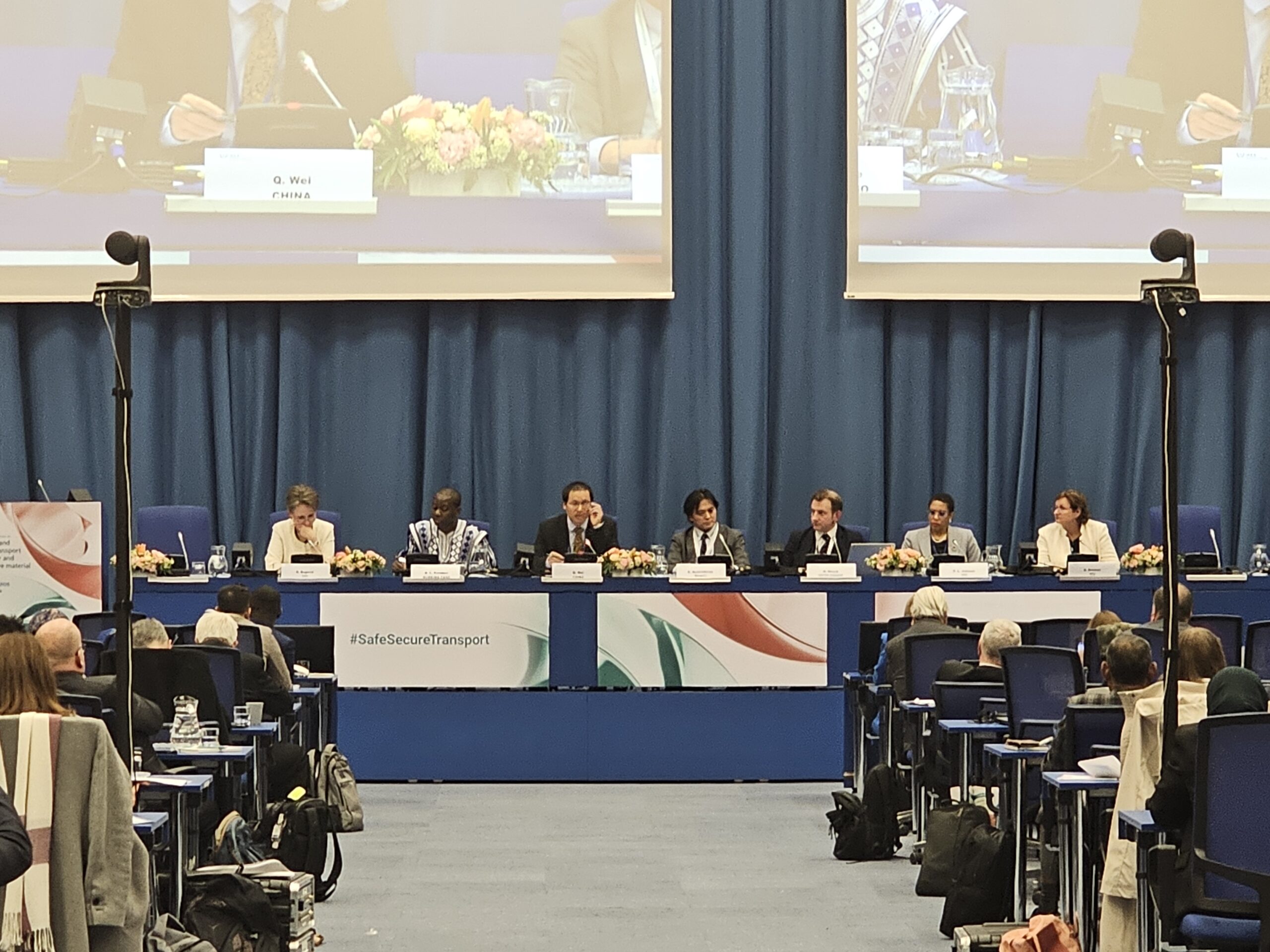
The upcoming International Atomic Energy Agency (IAEA) conference is poised to be a pivotal event in the field of nuclear safety and security, scheduled to take place from March 23 to 27, 2026, at the agency’s headquarters in Vienna, Austria. With the increasing global focus on the safe and secure transportation of nuclear and radioactive materials, the importance of this conference cannot be overstated. It is expected to attract approximately 500 experts from diverse sectors, encompassing governmental organizations, regulatory bodies, industry representatives, and academic institutions.
The primary objective of the conference is to facilitate comprehensive dialogues and knowledge sharing regarding best practices, regulatory frameworks, and technological innovations related to the transportation of nuclear and radioactive materials. This gathering will enable participants to tackle the pressing challenges faced in ensuring safety and security during transport operations. Emphasis will be placed on enhancing international cooperation, sharing lessons learned from past incidents, and identifying opportunities for improvement in existing practices.
Discussions are anticipated to cover various dimensions of transport safety, including risk assessment, emergency response planning, and the integration of advanced technologies in logistics management. Furthermore, the roles of different stakeholders in the supply chain, as well as the adherence to safety regulations and international standards, will be highlighted. By bringing together experts from around the world, the IAEA aims to reinforce its commitment to promoting safe and reliable transport of nuclear materials, ultimately strengthening global nuclear security.
Importance of Safe Transport of Nuclear Materials
The safe and secure transport of nuclear materials is of paramount importance across a variety of sectors such as healthcare, energy, and agriculture. These materials are essential for numerous applications, including medical treatments, power generation, and food preservation. According to industry reports, millions of shipments of nuclear and radioactive materials are conducted around the globe each year. This high volume underscores a critical responsibility to implement stringent safety and security protocols.
In healthcare, for instance, radiopharmaceuticals play a significant role in diagnostics and treatment. The transportation of these materials must adhere to rigorous safety standards to mitigate risks associated with radiation exposure. Similarly, the energy sector relies heavily on the secure movement of nuclear fuel and waste to maintain the integrity of power generation while minimizing environmental impact.
Moreover, agriculture benefits from radioactive isotopes in various applications, including pest control and crop enhancement. The transport of such materials must be conducted with exceptional care to maintain public safety and environmental protection. In each instance, the potential for radiological hazards necessitates a robust framework to ensure that these materials are managed safely during transit.
Failure to maintain high-level safety and security protocols could result in dire consequences, including contamination, exposure incidents, or even catastrophic events. Therefore, stakeholders in industries dealing with nuclear materials must commit to a culture of safety, utilizing advanced technologies and training programs designed to enhance transport procedures.
In summary, the safe transport of nuclear materials is vital not only for the integrity of various sectors but also for the protection of communities and the environment. The emphasis on stringent safety measures reflects the responsibility that comes with handling materials that pose significant potential risks if not managed properly.
International Framework and Cooperation Efforts
The safe and secure transport of nuclear and radioactive materials has been a priority on the international agenda for several decades. Recognizing the potential risks involved in the transfer of these substances, countries across the globe, along with various organizations, have collaborated to develop a robust framework that governs their transportation. This framework is designed not only to ensure the safety of the public and infrastructure but also to protect the environment from possible contamination.
One of the pivotal players in establishing international safety standards is the International Atomic Energy Agency (IAEA), which has created a set of guidelines and regulations known as the “Transport Regulations”. These regulations outline requirements for packaging, labeling, documentation, and necessary safety measures that must be adhered to when transporting nuclear materials. The IAEA works with member states to facilitate training, technical support, and audits, thereby promoting a culture of safety and compliance worldwide.
Moreover, international treaties such as the Convention on the Physical Protection of Nuclear Material and its Amendment further underscore the commitment to ensuring that nuclear materials are transported securely. These legal frameworks provide a basis for cooperation, helping nations to develop uniform transport standards that allow for safer cross-border movement of radioactive substances. In addition to state-level initiatives, numerous international organizations and non-governmental organizations contribute by sharing best practices, new technologies, and investigation findings related to nuclear transport safety incidents.
Over the past sixty years, various regions have embraced collaborative efforts to minimize risks associated with the transport of nuclear materials. By fostering partnerships and harnessing collective expertise, the international community has significantly advanced the safety measures governing the transport of these critical materials, enhancing both public safety and environmental protection. This continuous commitment to cooperation reflects the shared understanding that the complexities of nuclear transport require unified action to mitigate potential risks effectively.
Conference Highlights and Side Events
The upcoming conference on ensuring the safe and secure transport of nuclear and radioactive materials promises to be a significant event for stakeholders engaged in nuclear safety and security. Among the key speakers will be Rafael Mariano Grossi, the Director General of the International Atomic Energy Agency (IAEA). In his opening remarks, Grossi is expected to address the importance of international collaboration in reinforcing nuclear material protection and enhancing security protocols. His insights will set the tone for discussions that aim to foster a shared commitment to preventing illicit trafficking and ensuring safe nuclear practices.
Additionally, the conference will encompass a series of side events that will provide further opportunities for participants to delve into specialized topics. One notable session will focus on the IAEA’s Incident and Trafficking Database (ITDB). This database serves as a critical resource for tracking incidents involving nuclear and radioactive materials, offering valuable data that enhances the understanding of trends in nuclear security and enables informed decision-making among member states. The ITDB session aims to facilitate dialogue among experts on improving data exchange and reporting mechanisms, which are crucial for strengthening nuclear security frameworks globally.
As the initiative unfolds, participants can anticipate a robust exchange of ideas and best practices related to the transport of nuclear materials. The integration of various perspectives will be key in addressing challenges and identifying effective solutions for improved security. Furthermore, the sessions are designed to encourage active engagement, allowing attendees to voice their concerns and recommendations regarding nuclear material protection measures. Overall, these discussions will play a pivotal role in shaping the future of nuclear security and fostering international cooperation.