













The visit of IAEA Director General Rafael Mariano Grossi to the Gulf region took place amid heightened regional tensions and critical security incidents, notably the drone attack on the Barakah Nuclear Power Plant. These events highlighted the need for reinforcing nuclear safety protocols and enhancing cooperation among nations. During his visit, Grossi traveled to Kuwait, Qatar, the United Arab Emirates (UAE), and Saudi Arabia, engaging in discussions focused on strengthening nuclear safety and advancing collaborative efforts in the field of nuclear technology.
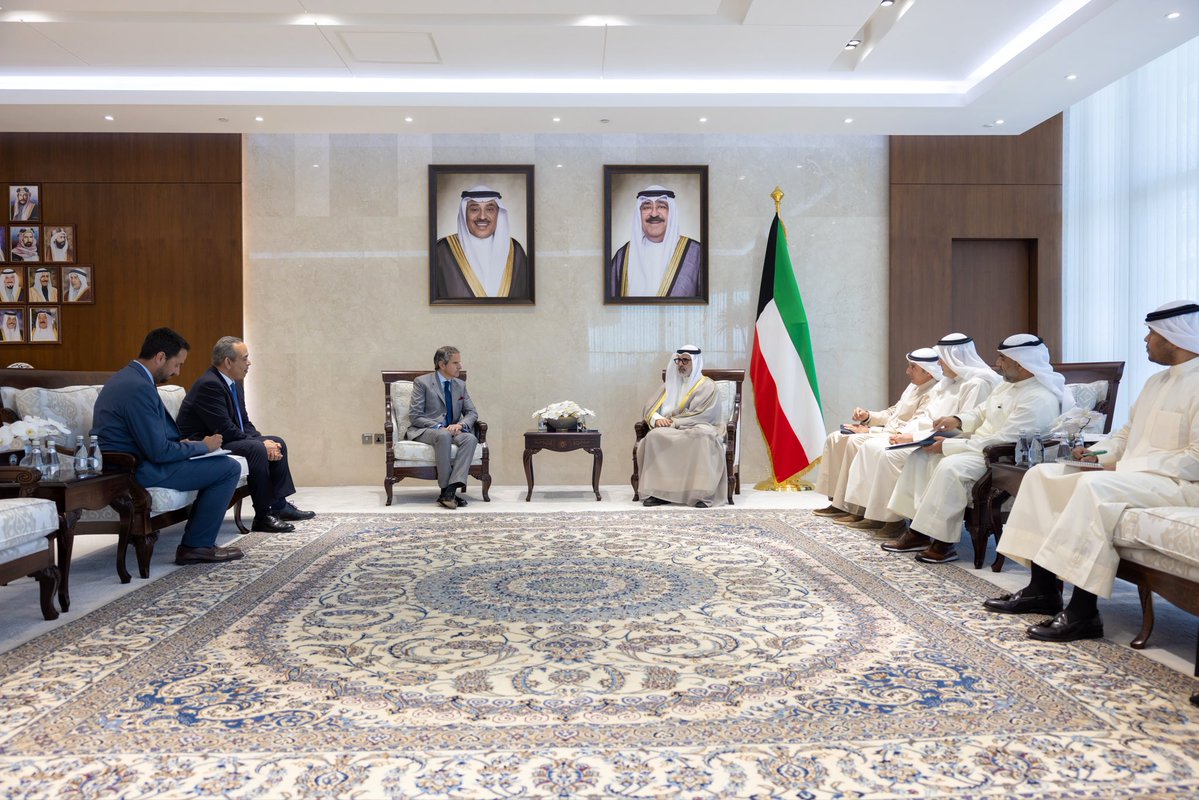
In Kuwait, Grossi met with government officials to discuss enhancing nuclear safety measures and ensuring that the country’s ambitions in the nuclear energy sector conform to international safety standards. His dialogue with Kuwaiti authorities underscored the necessity of building a resilient regulatory framework capable of addressing potential nuclear threats.
Continuing his tour, Grossi arrived in Qatar, where he emphasized the importance of establishing a regional network for nuclear cooperation. The discussions included prospects for joint training programs and knowledge sharing aimed at promoting best practices in nuclear safety and security among member states.
In the UAE, Grossi’s visit to the Barakah Nuclear Power Plant served to reaffirm commitments to safety operations and incident preparedness, particularly following recent security challenges. The UAE has positioned itself as a leader in nuclear energy in the region, and Grossi’s dialogue aimed at ensuring robust international oversight and support for their operations.
Finally, Grossi concluded his tour in Saudi Arabia, where conversations encompassed the Kingdom’s evolving nuclear strategy and the role of IAEA in supporting safe, secure nuclear development. This visit was pivotal in fostering a cohesive approach to nuclear safety and underscoring the importance of sustained international dialogue in the Gulf region amidst ongoing challenges.
Meetings and Key Discussions in Kuwait and Qatar
In recent weeks, significant diplomatic dialogues were held in Kuwait and Qatar, focusing on strengthening nuclear safety and fostering regional cooperation. Rafael Grossi, the Director General of the International Atomic Energy Agency (IAEA), engaged in pivotal meetings with key foreign leaders, underscoring the IAEA’s commitment to enhancing nuclear safety standards across the Gulf region. In his interactions with Kuwait’s Foreign Minister, attention was directed towards ongoing regional developments and the critical role the IAEA plays in ensuring safe and secure nuclear practices.
These discussions provided an opportunity for Kuwait to express its perspectives on nuclear safety and the agency’s framework, highlighting various initiatives aimed at mitigating nuclear risks and promoting best practices among Gulf Cooperation Council (GCC) states. The dialogue also included assessments of the current security landscape in the region, signaling a collective recognition of the need for cooperation in addressing safety challenges associated with nuclear technologies.
Moreover, Grossi’s visit to Qatar included a crucial meeting with the Prime Minister, where the topic of Iran’s nuclear program took center stage. The conversation focused on the complexities and implications of Iran’s nuclear activities, emphasizing the essential role of diplomatic engagement in navigating these intricate relations. Both leaders acknowledged the importance of sustaining open channels of dialogue to prevent the escalation of tensions and to ensure the responsible use of nuclear technologies for peaceful purposes.
This ongoing cooperation among Gulf states, alongside the guidance of the IAEA, illustrates the international commitment to not only enhance nuclear safety but also to address regional security concerns effectively. These meetings represent a concerted effort to achieve a stable and peaceful environment in the Gulf through informed diplomatic strategies and collaborative frameworks.
Nuclear Safety Initiatives in the UAE
The United Arab Emirates (UAE) has established itself as a leader in nuclear safety through its proactive measures and comprehensive dialogue surrounding nuclear energy. Following the recent drone attack on the Barakah nuclear facility, a series of critical discussions took place, spearheaded by IAEA Director General Rafael Grossi, with UAE officials. These conversations were pivotal in emphasizing the importance of robust nuclear safety frameworks, which are essential for the secure operation of nuclear facilities and the protection of public health and the environment.
The UAE’s approach to nuclear energy is not solely focused on energy production; it also plays a significant role in the nation’s economic development. This dual focus underscores a commitment to leveraging nuclear technology as a means to achieve long-term sustainability and diversification of the energy sector. The UAE aims to reduce its reliance on fossil fuels and promote clean energy solutions, highlighting the evolving landscape of energy consumption within the region.
Technological advancements, including the development of small modular reactors (SMRs), have contributed to enhancing the safety and efficiency of nuclear power. The UAE is actively exploring these innovations as part of its nuclear strategy. SMRs possess several advantages, including their smaller size, enhanced safety features, and flexibility in deployment. Their integration into the UAE’s nuclear energy program affirms the country’s commitment to adopting cutting-edge technologies while prioritizing safety at every operational level.
The IAEA remains a vital partner in the UAE’s efforts to strengthen nuclear safety. Through collaborative initiatives, the IAEA provides guidance and technical support to ensure that the UAE’s nuclear facilities operate under the highest safety standards. As the region continues to expand its nuclear capabilities, the UAE’s focus on safety and cooperation will serve as a model for other nations considering similar energy pathways.
Saudi Arabia’s Civilian Nuclear Program and Regional Cooperation
The Kingdom of Saudi Arabia has embarked on a significant journey in the development of its civilian nuclear program, positioning itself as a potential leader in nuclear energy within the Gulf region. This endeavor has garnered considerable attention from international bodies, notably the International Atomic Energy Agency (IAEA), under the leadership of Director General Rafael Grossi. His recent engagements in Saudi Arabia have focused on fostering dialogue with local officials on the critical aspects of the civilian nuclear program.
During discussions, Grossi emphasized the paramount importance of ensuring safe and transparent development in the realm of nuclear energy. The potential risks associated with nuclear technology necessitate an unwavering commitment to international safety standards. These standards not only protect the citizens of Saudi Arabia but also reinforce confidence among neighboring states and the broader international community. Grossi’s advocacy for transparency reflects a growing recognition that nuclear safety is a collective responsibility.
Moreover, Grossi underscored the necessity of multilateral cooperation to bolster regional stability. The dynamics of the Middle East geopolitical landscape are complex and often fraught with tension. A collaborative international effort in nuclear safety and security can serve as a foundation for trust among states in the region, facilitating a safer nuclear environment. Engaging in constructive dialogues and information sharing can mitigate potential risks associated with nuclear proliferation and promote peaceful uses of nuclear technology.
The conversations surrounding Saudi Arabia’s nuclear initiatives are part of a broader discourse on nuclear safety in the Middle East. Grossi’s engagements serve as a reminder of the collective efforts required to address the challenges associated with nuclear energy. By prioritizing safety and transparency, and embracing regional cooperation, stakeholders can work towards a more secure and stable future for the Gulf region.
Frequently Asked Questions
I have been checking out a few of your posts and i can claim pretty nice stuff. I will make sure to bookmark your site.







I have been checking out a few of your posts and i can claim pretty nice stuff. I will make sure to bookmark your site.