






















A Traditional Dish with Historical Roots
The bovine belly broth, known as patsa in Greece and iskembe in Turkey, is a dish steeped in tradition and history. Its origins can be traced back to ancient practices, with references found in numerous historical texts, including the renowned works of Homer. In the ‘Odyssey’, the preparation and consumption of various dishes illustrate the connection between food, culture, and societal rituals. This longstanding tradition has persevered through centuries, establishing a culinary identity for both Greece and Turkey.
In Greek culture, patsa is not merely a meal; it embodies an experience that often occurs during communal gatherings or festivities. Rituals surrounding its preparation are significant, involving meticulous attention to detail and a dedication to honoring culinary heritage. The dish is typically prepared from the stomach of the cow, infused with various spices and herbs, resulting in a rich and flavorful broth. Its consumption is commonly viewed as an integral part of social bonds and family gatherings, particularly during the winter months.
Conversely, in Turkey, iskembe holds a similarly revered status. The preparation of iskembe involves a nuanced approach, with cooks often passing down family recipes through generations. It is frequently enjoyed late at night, often after social events, highlighting its role as a comfort food. The ritualistic elements extend beyond mere flavor; the act of preparing and serving iskembe is deeply intertwined with hospitality and community spirit, inviting shared experiences among diners.
Both nations regard these dishes with pride, each attributing cultural significance to bovine belly broth. The enduring appeal of patsa and iskembe underscores how food transcends mere sustenance, evolving into symbols of unity and tradition within their respective societies.
The Current Controversy: Claims and Counterclaims
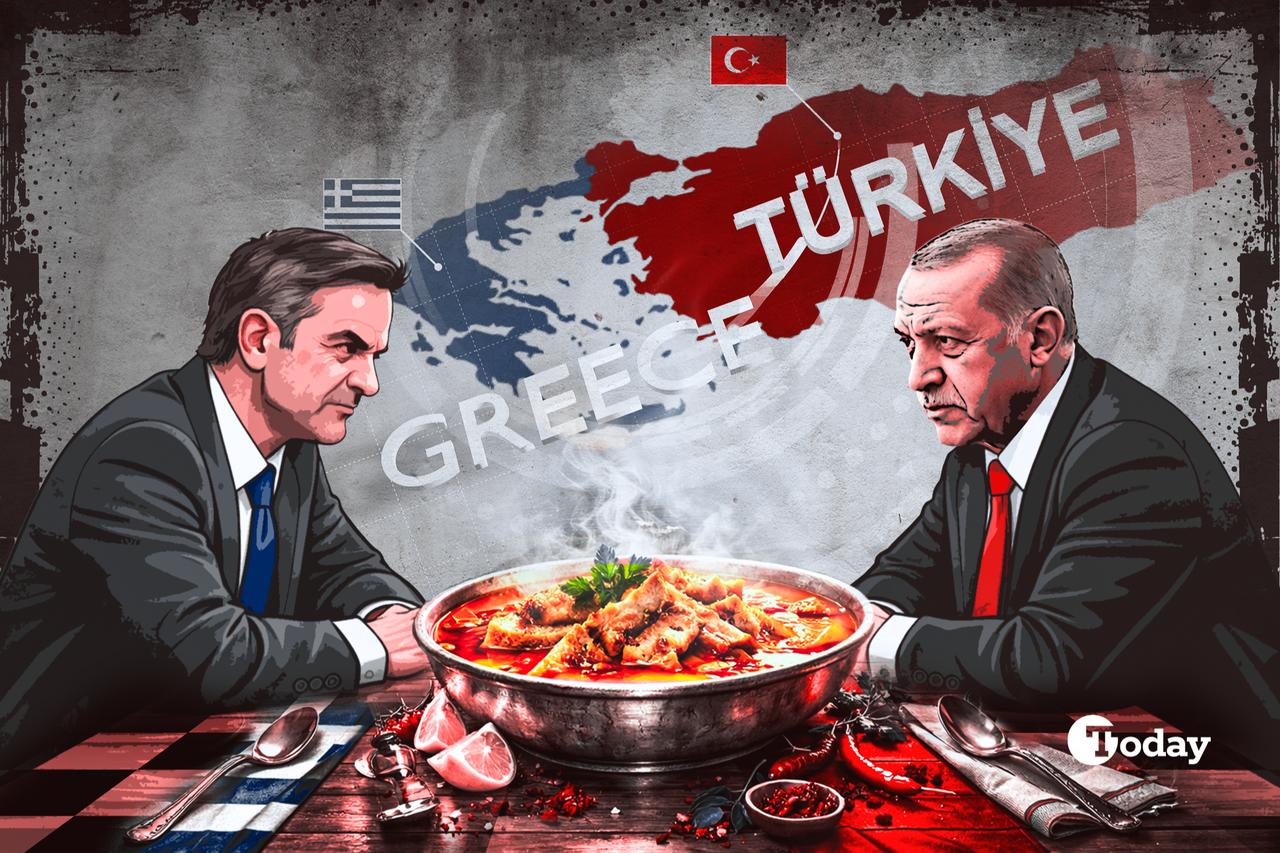
The culinary landscape of the Eastern Mediterranean has recently been stirred by a heated dispute between Greece and Turkey over the rightful ownership of a beloved dish known as patsa in Greece and iskembe in Turkey. This controversy has catalyzed a dialogue concerning not just culinary heritage but also national identity and cultural pride.
At the center of this conflict is the Greek restaurateur Dimitris Tsarouhas, who has taken steps to register patsa with UNESCO as an element of intangible cultural heritage. Tsarouhas argues that patsa, a rich bovine belly broth traditionally served as a remedy for hangovers, is intrinsically linked to Greek culinary practices, with roots that he asserts can be traced back centuries in Greek culture. His commitment to securing this recognition is emblematic of larger efforts within Greece to preserve and promote its national gastronomy.
In opposition, Turkish restaurateur Ali Turkmen has emerged as a vocal advocate for iskembe, claiming similar historical and cultural significance for the dish in Turkey. Turkmen emphasizes that Turkey has a long-standing tradition of preparing iskembe, often enjoyed as both a popular comfort food and a joyful social fixture across the country. He contends that the historical recipes and communal customs associated with iskembe underline its uniqueness and authenticity as a Turkish dish.
This disagreement not only illustrates the complexities involved in culinary heritage but also highlights the ways in which food can serve as a symbol of national pride. As both sides present their arguments, the controversy continues to develop, revealing differing perspectives on what constitutes ownership of a traditional dish, and who ultimately gets to define its legacy. As discussions unfold, the intricacies of cultural expression through cuisine remain at the forefront of this ongoing dispute.
Culinary Diplomacy: Perspectives from Both Sides
The ongoing culinary debate between Greece and Turkey regarding the origins of the revered bovine belly broth has drawn attention from various stakeholders, including chefs, restaurateurs, and consumers. This dispute highlights the complexities of cultural identity tied to culinary traditions. Both nations share a rich culinary heritage, often leading to similar tastes and dishes, yet they take pride in their unique interpretations.
In Greece, chef Maria Papadopoulos emphasizes the importance of tradition in her cooking. She articulates, “While our versions of the broth may share common ingredients, the method of preparation and the accompanying flavors showcase our unique culinary identity. It is not just food; it is a staple deeply rooted in our culture.” Her sentiment reflects a prevalent view among Greek chefs who believe that tradition shapes not only tastes but also national pride.
Conversely, across the Aegean in Turkey, renowned chef Ahmet Yilmaz offers a different perspective. He states, “Our approach to the broth is influenced by centuries of Ottoman culinary practices. It’s more than a dish—it’s a reflection of our history. While there are similarities, our flavors tell a different story in each bowl.” This notion stresses the importance of historical context in shaping culinary expressions, reinforcing a broader cultural identity.
Restaurateurs from both countries also hold varying views on the implications of the culinary feud. Greek restaurateur Elena Makri mentions, “Even amidst the disagreement, our food can serve as a bridge between cultures. It is vital for us to celebrate shared culinary traditions while preserving our individual stories.” On the other hand, Turkish restaurateur Leyla Aydin asserts, “Healthy competition can lead to celebration rather than division. Let’s elevate our national dishes by appreciating both sides.”
Customer sentiments vary as well. Many food enthusiasts express a desire for mutual appreciation instead of rivalry, highlighting the potential for culinary diplomacy. They see the shared heritage as an opportunity to foster greater understanding between the two nations. Such perspectives underline the idea that, regardless of national claims, the culinary landscape is enriched by the diversity and uniqueness of both Greece and Turkey’s contributions.
Taste as a Unifying Force
The culinary landscape of Greece and Turkey boasts a rich heritage characterized by regional flavors, traditional ingredients, and time-honored cooking techniques. Central to both cultures is the beloved dish of bovine belly broth, which serves as not only a gastronomic delight but also a symbol of the deep-rooted connections and shared histories between the two nations. Through the lens of culinary experiences, food transcends barriers and fosters understanding, friendship, and unity among different peoples.
Dimitris Tsarouhas eloquently expresses the sentiment that food can be a powerful medium for bridging divides. His reflections highlight that despite the political and historical tensions that may exist, the act of sharing a meal can lead to the cultivation of friendships. Engaging with cuisine from both cultures allows individuals to appreciate the nuances and traditions encapsulated in each dish, emphasizing what unites rather than divides.
To celebrate this shared culinary heritage, Greece and Turkey could collaborate on events that showcase bovine belly broth, inviting chefs from both countries to create a fusion of flavors and techniques. Such initiatives would highlight the beauty of diversity while reinforcing the bonds of shared appreciation. By organizing multicultural festivals centered around this dish, both nations could partake in a dialogue that prioritizes unity over rivalry, framing the culinary feud as a shared celebration instead of a divisive conflict.
In the broader context, recognizing the importance of bovine belly broth on a global scale could serve as a stepping stone toward joint cultural initiatives. Through collaborative culinary projects, Greece and Turkey can jointly promote their heritage to a worldwide audience, ultimately conveying a powerful message: that food can indeed serve as a bridge connecting peoples across borders, fostering mutual respect and admiration. This, in turn, may inspire future generations to continue celebrating their intertwined histories through the legacy of culinary traditions.