


















Introduction: The Vision for Group Accession
The concept of a group accession of Western Balkan countries to the European Union, proposed by Serbian President Aleksandar Vučić, represents a pivotal shift in the approach towards EU enlargement. It posits that by pursuing a collective pathway, the nations within the Western Balkans can enhance their bargaining power and streamline the accession process. This strategy emerges against the backdrop of historically fragmented bilateral negotiations that have often slowed progress and created disparities among candidate countries.
Currently, the relationship between the EU and the Western Balkans is characterized by a complex interplay of political, economic, and social factors. The EU’s enlargement policy has seen varying degrees of enthusiasm, with some member states expressing hesitance towards accepting new members, while others advocate for further integration. This ambivalence highlights the necessity for countries in the region to adopt a more unified stance. A group accession strategy not only aligns their interests, but it also presents a coherent framework in which the EU can engage effectively.
The potential benefits of this collective accession process are manifold. Firstly, a united front could facilitate negotiations on sensitive issues, such as the rule of law and economic reforms, which are often seen as prerequisites for accession. Moreover, it could foster increased cooperation between the candidate countries themselves, ultimately strengthening regional stability and development. Additionally, presenting a consolidated case to the EU could enhance the attractiveness of the region, leading to more favorable terms of entry. In essence, the vision for group accession rests on maximizing the advantages of collaboration, ensuring that these nations embark on their EU journey together, thereby reinforcing their collective aspirations for a more integrated future.
The Proven Model of Group Enlargement
The European Union (EU) has a history of successful group enlargements, most notably exemplified by the 2004 ‘big bang’ enlargement. This occasion saw the accession of ten new member states, predominantly from Central and Eastern Europe. The strategy employed during this enlargement was pivotal to its success and serves as a valuable model for future applications, particularly for the Western Balkans.
One of the most significant factors contributing to the effectiveness of this enlargement process was the concept of unified regional applications. Instead of each country negotiating its accession terms independently, the countries collaborated to present a consolidated front. This approach not only streamlined negotiations but also fostered a sense of regional solidarity. Countries shared common goals and objectives, which not only improved their negotiation power but also ensured a more cohesive integration strategy that was advantageous for the entire region.
Additionally, the establishment of shared criteria was crucial. For instance, candidate countries in the 2004 expansion were all required to meet the same political and economic conditions as outlined in the Copenhagen criteria. These criteria set a clear pathway for accession based on democratic governance, human rights, and a functioning market economy. By ensuring that all new member states adhered to the same standards, the EU reinforced the integrity of its membership while encouraging candidate nations to implement essential reforms.
Moreover, collective timelines for fulfilling membership requirements allowed these nations to coordinate their efforts. By having a synchronized timeline, the countries in the Western Balkans can collectively prepare for the accession process, thereby maximizing their efficacy and minimizing the risks of prolonged negotiations. Given the demographic realities of the Western Balkans and the region’s diverse challenges, a group accession approach not only simplifies the EU’s engagement but also enhances the overall stability and prosperity of the area.
The Economic and Social Impacts of Group Accession
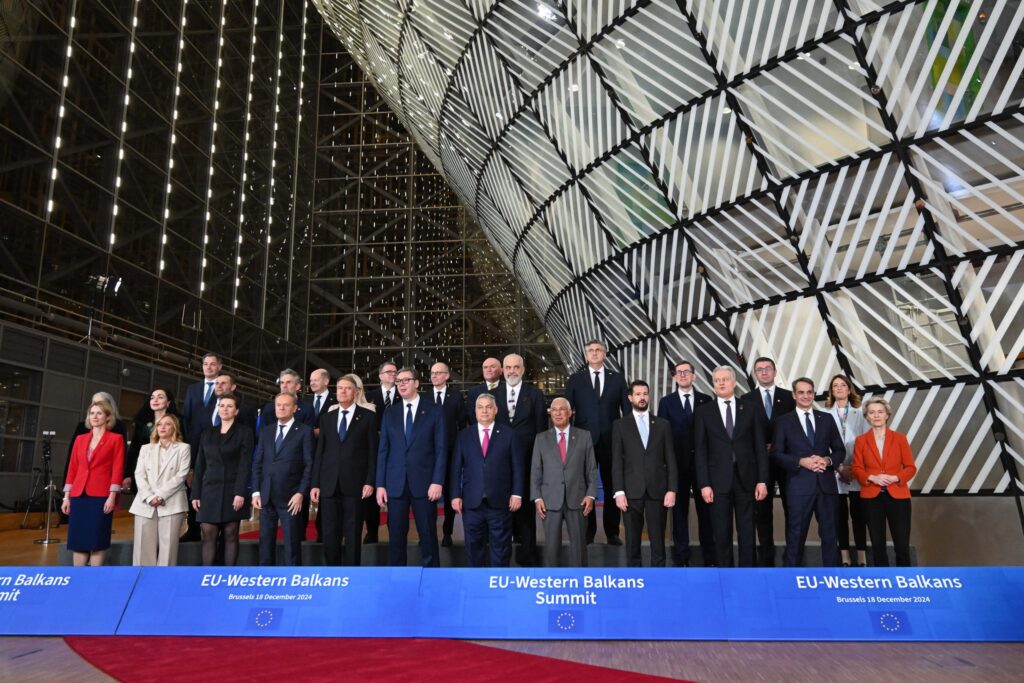
The prospect of group accession for the Western Balkan nations to the European Union (EU) portends significant economic and social ramifications. Economically, projections indicate that EU membership could lead to substantial GDP growth across the region. This growth is expected to stem from increased foreign investment, enhanced trade relations, and the implementation of EU regulatory frameworks that could foster a more conducive environment for business. As countries align their economies with EU standards, it is anticipated that the overall economic performance will improve, creating new job opportunities and reducing unemployment rates.
Furthermore, a collective approach to EU accession may bolster regional cooperation among Western Balkan countries. Enhanced collaboration can lead to shared resources, collective problem-solving, and a unified strategy to address common challenges. This synergistic effect is essential for strengthening diplomatic ties and ensuring long-term economic stability across the region. Improved cooperation is likely to manifest in joint infrastructure projects, which are vital for connectivity and economic integration.
Socially, one of the most pressing issues in the Western Balkans is the phenomenon of brain drain, where skilled professionals emigrate in search of better opportunities. Group accession could mitigate this issue by creating an attractive environment for talent retention and return migration. By aligning education and labor market standards with those of the EU, the region can better retain its human capital, fostering innovation and sustainable development.
Data suggests that public support for EU membership is on the rise, with surveys indicating increased optimism about the potential benefits of full integration. This growing backing may further reinforce the imperative for collective accession, as citizens see tangible prospects for enhanced living standards, greater social cohesion, and improved governance. A successful group accession would not only stabilize local economies but also set the stage for a prosperous and harmonious future in the Western Balkans.
Learning from the Past: Ensuring Successful Integration
The process of European Union (EU) enlargement has provided invaluable lessons that can inform the future integration of the Western Balkans. Analyzing previous successful cases, such as the accession of the Baltic States and Romania, reveals critical factors that have contributed to effective integration. For the EU to facilitate a smooth accession process for the Western Balkans, it is paramount to clearly establish benchmarks and timelines that align candidates with EU standards.
Clear benchmarks assist candidate countries in understanding the specific requirements and reforms needed to meet EU criteria, fostering transparency and accountability. During the accession process for the Baltics, for instance, systematic adherence to established criteria ensured substantial readiness for EU membership. Establishing realistic timelines also plays a crucial role in maintaining momentum and motivation among candidate nations. These timelines must be adaptable yet firm, promoting urgency while allowing flexibility for unique national contexts.
Fostering consensus among member states is vital to the success of any enlargement initiative. Past enlargements have often encountered challenges arising from differing perspectives among existing members regarding candidate countries. By engaging all EU member states in a dialogue about the advantages of the Western Balkans’ accession, the EU can work towards securing broad support. This consensus-building approach is instrumental not only in avoiding potential divisive politics but also in reinforcing the EU’s commitment to a unified future by ensuring that all voices are heard.
Avoiding the mistakes made in earlier enlargements can enhance the prospects for the Western Balkans. For instance, hastily granting membership without adequate preparation has led to significant challenges for countries in the past. Therefore, drawing on the experiences of the Baltics and Romania, the EU has the opportunity to implement a more measured and inclusive approach. This can cement a stable and equitable accession process that aligns with a shared vision for a unified Europe.