



















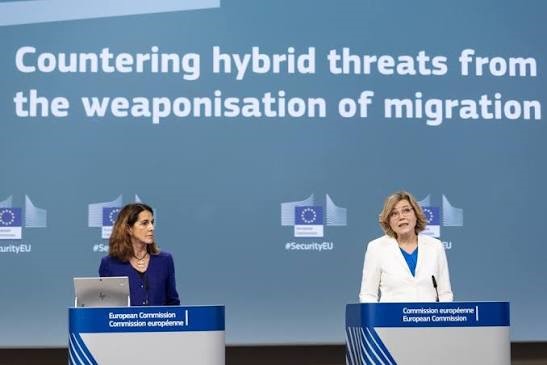
The Changing Landscape of Migration in Europe
The dynamics of migration in Europe have evolved significantly over the past decades, shifting from a primarily humanitarian focus to a more complex landscape fraught with security implications. This transformation has been spurred by a variety of factors, including geopolitical conflicts, economic instability, and climate change, which have collectively intensified migration flows. Thus, migration in Europe has morphed into a multifaceted issue that transcends traditional humanitarian parameters.
Amidst this evolving backdrop, various state and non-state actors have recognized migration as a tool for exerting influence or achieving strategic goals. This manipulation of migration not only raises humanitarian concerns but also presents unique challenges for national security. For instance, certain governments may exploit migration to destabilize their opponents, employing it as a form of asymmetric pressure. This can manifest in orchestrated migration flows designed to challenge the social fabric and political cohesion of host nations.
As such, there is a pressing need for a comprehensive reassessment of existing migration policies within the European Union. Current strategies often fail to account for the multifarious ways in which migration can be weaponized. Addressing these challenges requires a nuanced approach that balances humanitarian obligations with security imperatives. Policies must evolve to recognize migration not only as a humanitarian phenomenon but also as a critical aspect of national security strategy.
The changing landscape of migration demands innovative frameworks that integrate humanitarian response with robust security measures. To forge effective responses, EU leaders must prioritize cooperation among member states and with external partners. Only through such collaborative efforts can Europe navigate the complexities of weaponized migration, ensuring both the protection of vulnerable populations and the stability of its nations.
Recent Challenges at European Borders
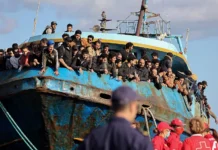
In recent years, European borders have witnessed a troubling increase in the number of migrants, notably evidenced by the sudden surge of individuals attempting to cross into regions such as Ceuta. This spike highlights significant challenges faced by the European Union regarding its existing migration and asylum frameworks. Incidents like these have brought to the forefront the limitations of policies designed to manage migratory flows, especially when confronted with large-scale and unforeseen influxes.
The recent events in Ceuta, where thousands of migrants arrived in a matter of days, serve as a stark reminder of how quickly situations can escalate. These incidents are not isolated; they reflect a broader trend across Europe, where borders are often overwhelmed by individuals fleeing conflict, instability, or economic hardship. The inadequacies of the current asylum processes become glaringly evident as authorities struggle to manage the logistical and humanitarian aspects of such surges, leading to overcrowded facilities and strained resources.
Moreover, the response to these challenges illustrates the need for more effective coordination among EU member states. Varied national responses can exacerbate the situation, creating a patchwork of policies that fail to provide consistent support for migrants. The lack of a unified strategy hampers the ability to address migrations that are both spontaneous and widespread, making it imperative to reevaluate and improve the existing frameworks to better accommodate unexpected waves of migration.
Overall, the situation at European borders exemplifies not just a humanitarian crisis but a pressing political issue that demands urgent attention. It underscores the necessity for the European Union to develop comprehensive strategies that can effectively deal with such complex and large-scale migrations, ensuring that human rights are preserved and the challenges posed by weaponised migration are adequately addressed.
The Need for a New European Framework
The contemporary landscape of migration in Europe has experienced significant transformations, particularly with the rise of weaponised migration as a strategic tool used by various state actors. In this context, Prime Minister Kyriakos Mitsotakis has articulated a vital proposal for a bespoke European framework aimed specifically at addressing instances of mass and instrumentalised migration. This initiative underscores the necessity for a coordinated and robust response from European Union member states, establishing a framework that not only delineates responsibilities and protocols but also aligns with both European and international legal standards.
Such a framework could entail a multi-faceted approach, incorporating measures that emphasize prevention, rapid response, and integration. A cornerstone of this approach would involve creating standardized procedures for identifying and processing migration cases that have been, or could be, leveraged as instruments of political or economic coercion. These standards would ensure that responding nations are not only compliant with their legal obligations but are also equipped to act decisively and humanely in crises.
Implementation mechanisms must also be devised, potentially involving collaboration between national authorities, the European Union, and various international organizations. This collaboration would enhance information sharing and operational capacity among member states, creating a united front against the complexities of weaponised migration. Furthermore, the framework could foresee robust legal recourse and remedial measures for individuals adversely affected by such migration tactics, thereby upholding the fundamental rights and dignity of migrants.
Critical to this proposal’s success will be the political will among EU leaders to prioritize a collective response over unilateral initiatives, fostering solidarity and shared responsibility. As migration continues to be a contentious topic within the EU, adopting this bespoke framework will signify a proactive and cohesive approach to addressing the challenges posed by weaponised migration while ensuring that responses are humane and legally sound.
Balancing Security and Humanitarian Obligations
The European Union (EU) faces a pressing challenge as it seeks to balance the imperative of enhancing security measures with its foundational commitment to humanitarian principles. In light of recent geopolitical tensions, the phenomenon of weaponised migration has emerged as a contentious issue, where the movement of people is manipulated for political leverage. This situation raises significant ethical considerations regarding the treatment of individuals who seek refuge or a better life within EU borders.
As European nations grapple with the repercussions of migration, it is essential for them to acknowledge that security and humanitarian obligations are not mutually exclusive. The EU must devise strategies that not only protect its citizens but also uphold the human rights of migrants and asylum seekers. This can be achieved through comprehensive policies that integrate robust security measures while ensuring that humanitarian protections remain a priority. Such policies should focus on bolstering border control while simultaneously providing safe and legal pathways for those in need.
Moreover, the ethical implications of using migration flows as a geopolitical tool cannot be understated. The EU must remain vigilant to ensure that it does not succumb to pressures that threaten the dignity of individuals. Engaging in dialogue with countries that utilize migration for political ends should be approached with firmness and diplomacy, emphasizing the EU’s commitment to core values such as respect for human rights and international law.
Ultimately, the task at hand is complex, requiring a multifaceted approach that addresses security concerns without compromising humanitarian ideals. As EU member states strategize their responses to weaponised migration, they must remain steadfast in their dedication to human rights, promoting solutions that reflect both security and compassion. Through collaborative efforts and innovative strategies, the EU can navigate this delicate balance, ensuring the protection of all individuals within its jurisdiction.